Tasmanian Police inspect arson at Camp Flozza
Upper Florentine Valley, South West Tasmania
Thursday 20120913
(click image to enlarge)
.
Still Wild Still Threatened’s Camp Florentine (Camp Flozza) has been subject to an arson attack the weekend before last. It is estimated that it was torched on Sunday night 9th September 2012. But since the camp had been unattended by environmentalists, the destruction was not discovered until some days later, by which time it had burnt itself out, perhaps with the help of rain.
Personal and campaign property has been damaged and destroyed, a car has been stolen from the site, and the information tent and camp structures were torn down and burnt. Police have inspected the site and the fire is being treated and investigated as arson.
It is believed that the arson was a misguided revenge attack by disgruntled loggers in response to an arson incident three nights prior at Les Walkden Enterprises at the nearby town of New Norfolk and connected vandalism the Saturday night prior of machinery owned by the same company at a logging coupe 12km south of Butlers Gorge in the Central Highlands.
Yet, Detective Constable Craig Fry, investigating the two attacks on the Walkden business has said that “they do not appear to be linked to any kind of protest activity.” So the subsequent arson attack on Camp Flozza was a case of mistaken identity – frustrated loggers happy to kneejerk blame conservationists (Greenies) for everything and anything. Being night time, the arsonists were probably on the turps. Perhaps the two attacks on Les Walkden Enterprises, which have caused over $800,000 damage, were intended to have the Greenies take the wrap.
Detectives are investigating all three crimes.
“This violent attack on the camp is an assault on the forest campaign. The camp is a peaceful protest movement and this incident is an act of intimidation towards protesters and the community involved in the camp” said Still Wild Still Threatened spokesperson Miranda Gibson.
Arson Attack on Camp Flozza Sunday night 9th September 2012
.
Miranda Gibson:
‘It’s first thing in the morning when I get the call. “Camp has been attacked“, the voice on the end of the line is telling me. “What do you mean… attacked?“, I asked.
“Someone’s gone there and trashed it, burnt it down.”
She is talking about Camp Florentine, Tasmania’s longest running forest blockade. The camp is run by the group I’m part of: Still Wild Still Threatened. And it is a place that is very close to my heart, having spent many years spending so much of my time out there in the past.’
Camp Flozza front as it was before the arson attack
[Photo by editor, 20110928, free in public domain, click image to enlarge]
.
Miranda Gibson:
‘Camp Floz, as it is known, is in the Upper Florentine Valley, the next valley to the west of where I am located in the Observer Tree (in the Tyenna).’ [Check out ^The Observer Tree]
The Upper Florentine Valley is a large tract of ancient wilderness, that is surrounding on three sides by the World Heritage Area.’ [Check out Tasmania’s majestic ^Upper Florentine Valley]
‘Despite the protection for the surrounding mountain ranges, this valley remained unprotected because it contains such significant tracts of tall trees that the logging industry were hungry to get their hands on.’
‘Over six years ago now members of the local community became aware of Forestry’s plans to fell 15 logging coupes in the valley within three years and in response the camp was established to stop this from happening. Over those years, the constant presence of the camp has meant that the majority of those logging coupes have never been touched by a chainsaw and the forest remains standing. Hopefully it will continue to remain standing until it can take it’s rightful place as part of the Tasmanian Wilderness World Heritage Area.’
‘As well as literally stopping the logging, the camp has a range of other important functions in the campaign. Being on a main tourist road, it acts an information centre with people stopping in every day to find out about what is going on in the forest and having the opportunity to go on short guided walks. It has become a significant icon of the forest movement in Tasmania and is known to people all around the world who have stopped in on their travels.’
Camp Flozza Information Centre, as it was before the arson attack
[Photo by editor, 20110928, free in public domain, click image to enlarge]
.
Miranda Gibson:
‘When I saw the photos I realised it was even worse than I thought. The entire camp had been torched. The main house, kitchen area and information hut were nothing but ashes.
And the camp car had been stolen.’
Camp Flozza arson attack on the Kitchen
[Photo courtesy of Still Wild Still Threatened 201209]
.
‘Luckily no one was at the camp when the attack occurred. The next person who was rostered on to be at the camp turned up to a horrifying scene of the camp reduced to ashes. However, one has to wonder whether the attackers would have known there was no one there, as the camp is the usually always attendance and people could have been the forest nearby.’
Camp Flozza Kitchen as it was before the arson attack
[Photo by editor, 20110928, free in public domain, click image to enlarge]
.
Camp Flozza’s front line legacy
.
Up here in the ^Observer Tree, Miranda Gibson tree-sits some ways far removed from what was happening at the camp. Yet, it had a big impact.
.
Miranda Gibson:
‘There was the practical side of things of course, as the Still Wild Still Threatened spokesperson I spent the day talking to media, police and community members. But it also was a sad day for me. Although I am not able to be there at Camp Floz, obviously, I still care deeply about the place.’
The Upper Florentine Valley
[Photo by Rob Blakers – visit his ^website]
.
Ed: When viewing each video below and wishing to stop it, just click the pause button on the bottom left of the respective video view.
.
.
.
.
The Battle of Coupe FO044A
.
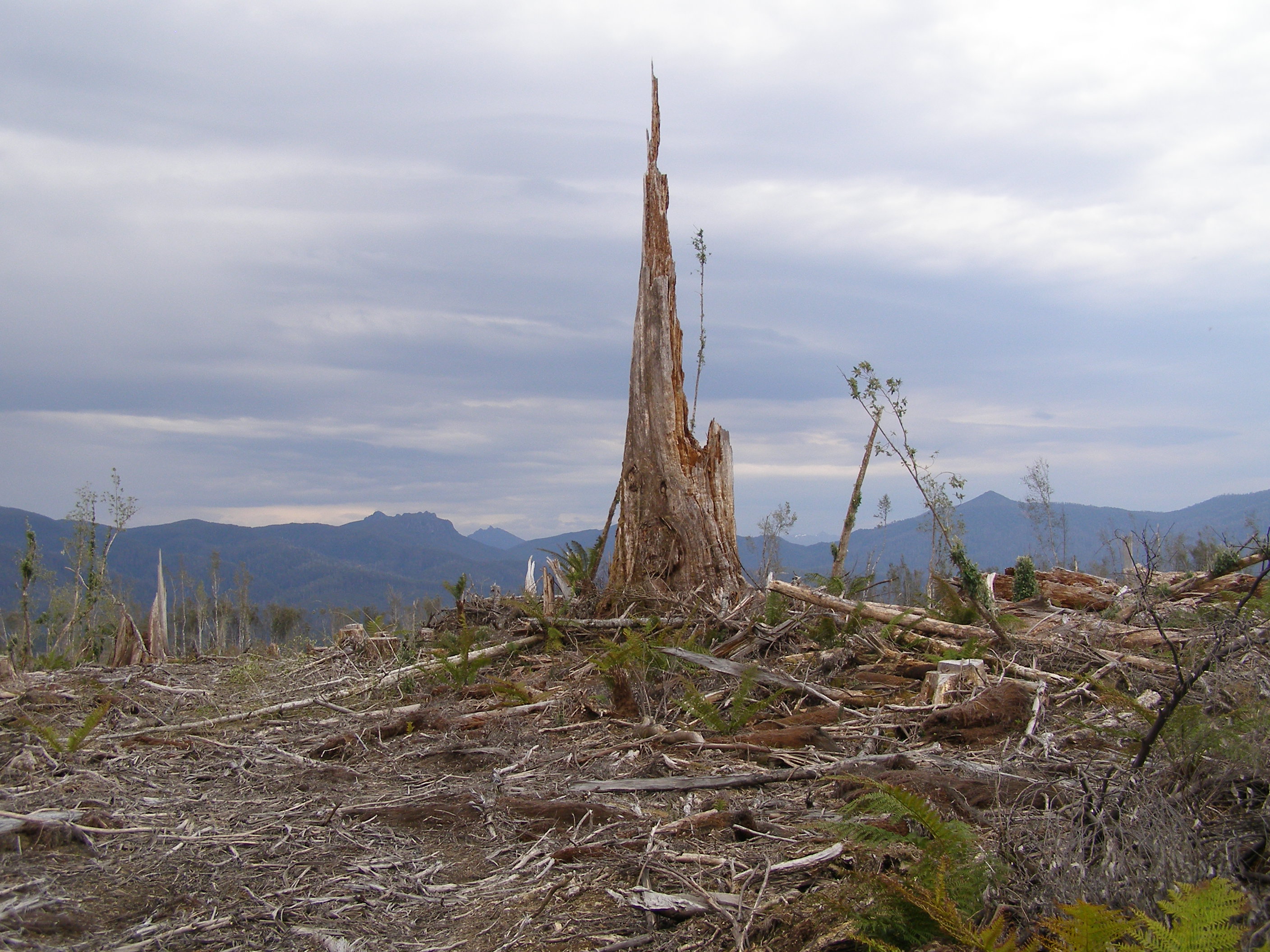
Like a poacher sees an elephant only with selfish cash-eyes through crosshairs, loggers only see native forests with selfish cash-eyes with chainsaw in hand. In Tasmania, the babyboomer government mindset cannot discern forest value from timber. The environment is still seen as a resource for industrial exploitation, just like it was in the 19th and 20th centuries. Forests are arbitrarily carved up on a logger’s map into harvestable ‘coupes’. The Upper Florentine Valley where Camp Flozza is situated is innocuously described by the Tasmanian Government as ‘Coupe FO044A‘ – sounds like a factory production batch stamped on a pallet.
It’s like how numbering of black slaves occurred through the 16th and 19th centuries’ Atlantic Slave Trade. To backward rednecks, Tasmania outside the bitumen has all been about how many ways to skin it, shoot it, trap it, log it, woodchip it, burn it, plough it, dam it, pollute it. The 19th Century Taswegian redneck element persists in logging despite there no longer being a market for the timber. But the loggers know no different. They only know how to log.
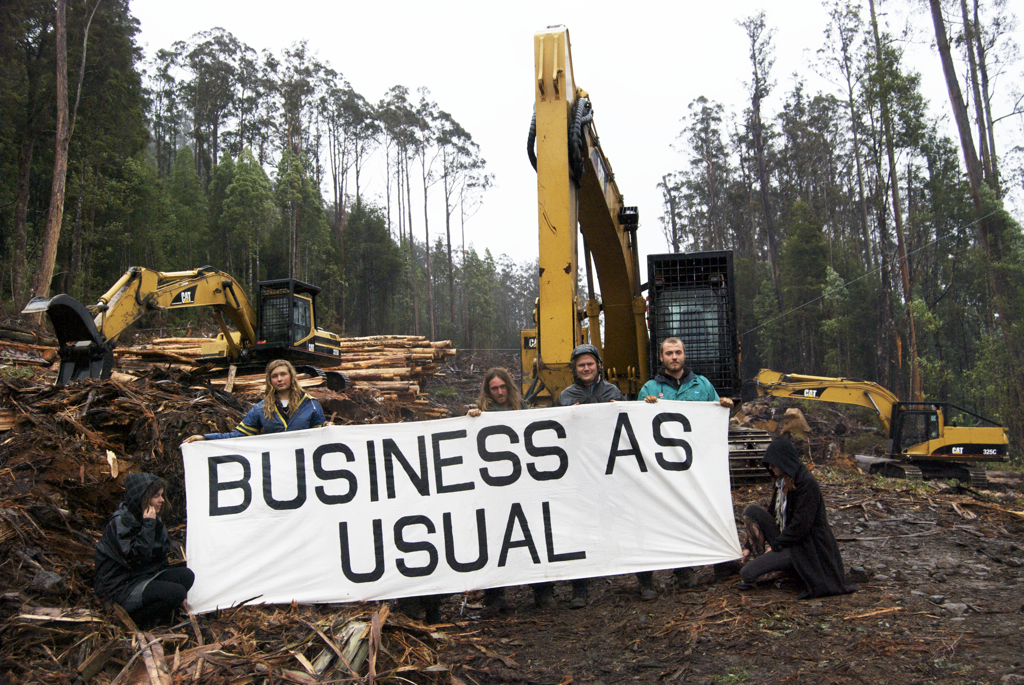
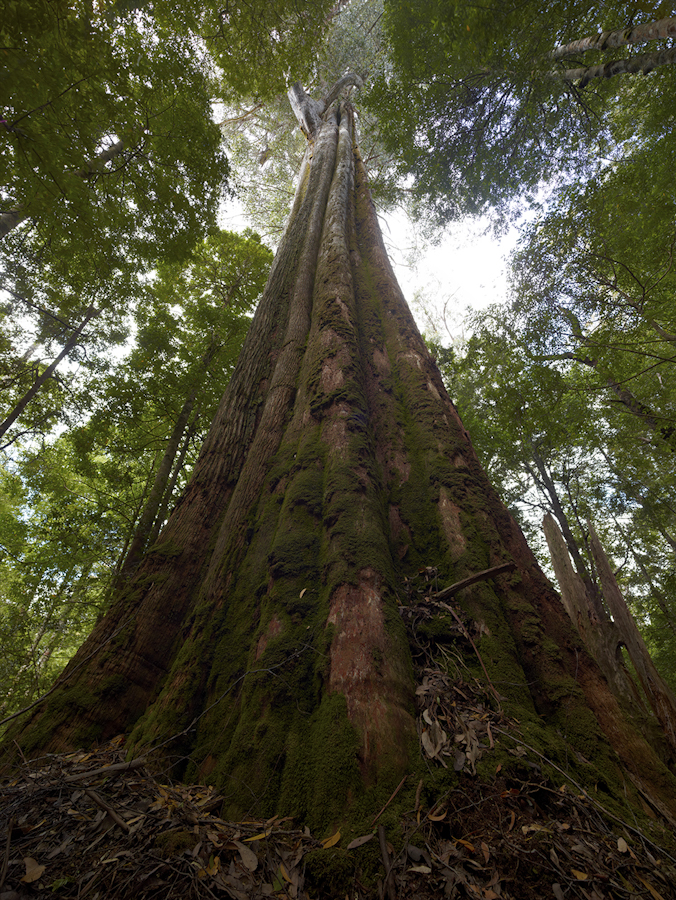
Camp Flozza is a blockade set up to try to stop them logging what’s left of Tasmania’s magnificent ancient forest ecosystems. It includes some of the largest trees left on the planet.
But to Forestry Tasmania, the Tasmanian Government logging corporation driving the deforestation, Camp Flozza is nothing more than “a slum in the forest, full of extremists“. Emotive words, but then one would expect as such demonising by vested interests.
In early 2006, well over six years ago now, Forestry Tasmania decided to target the Upper Florentine Valley for its massive hardwood timber. It rolled in the dozers and started pushing an ugly scar of a road into the pristine valley, within ‘coo-ee’ of Tasmania’s Wilderness World Heritage.
Community response was immediate. Local and independent activists and The Wilderness Society went out along the Gordon River Road to make peaceful protests. Over the comng months, the protest presence grew and became more established and other groups joined in – The Derwent Forest Alliance, and Friends of the Florentine.
By October 2006, a protest camp had been established situated strategically blocking logging access to an area of the forest containing Mountain Ash Trees over 200 feet tall. Camp Florentine (Flozza) was established.
It was not supposed to be flashbecause a permanent structure would have invited legal demolition
.
February 2007 – Government Bully Bust #1
.
On 21st February 2007, The blockade was raided by over 40 police and Forestry Tasmania workers and 16 arrests were made over the following 3 days. However, a complex system of structures was built and Camp Florentine continued. In October 2008, logging commenced in coupe FO042E in the Upper Florentine valley and was met with two actions, one resulting with physical assault on protesters by contractors. Footage taken at the action went national in the media and highlighted the ongoing violence that protesters face in the forest.
Not long after his media attention two cars and the info hut were torched one night resulting in even more media coverage.
.
January 2009 – Government Bully Bust #2
.
In mid January 2009, the blockade was busted for the second time by 65 police and Forestry Tasmania workers. Again there were 16 arrests in the first 3 days and after the tunnel and dragons and winter shack were removed the machines came in and carved a massive scar a further 3km into the pristine valley, to be a logging road. After 11 days of continuous actions to try and slow down further road construction and logging the machines weretaken away and we started rebuilding on the road again.
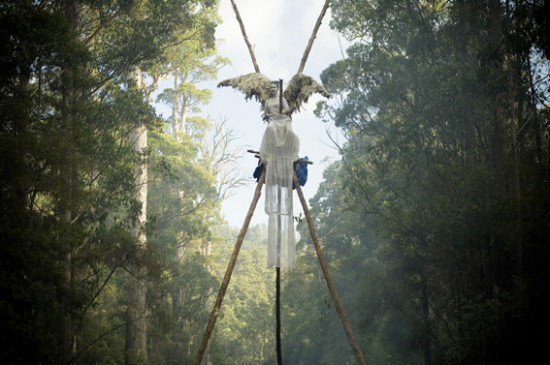
‘…In the Upper Florentine Valley today, the Battle of Coupe FO044A entered a second day (13th January) with six activists up trees — and one down a hole — holding out against arrest amid the ruins of their two-year-old protest camp.
Forestry Tasmania has requested police remove the camp which is hindering plans to build road and to harvest trees from a 25ha coupe in the area. (Ed: didims!)
Derwent District Forest Manager Steve Whitely (Ed: a hardcore logger) said Forestry Tasmania respected people’s right to protest peacefully and legally, but Camp Flozza was neither.
“The camp has been there for some time but it has degenerated into a slum and as shown late last year it has the potential to become a real flashpoint of conflict over this summer,” he said. “We ended up with a couple of conflict situations last year that were really quite serious and we really took stock that this camp wasn’t just a slum in the forest as some people saw it but in fact a place where extremists launched raids on various other places and actually generated conflict.
That’s when it was realised it wasn’t just an eyesore but something more serious than that.”
He said the logging in the valley will be small in scale and sensitive to the area’s conservation values but admitted up to 90 per cent of the old growth forest harvested will end up as woodchips.
“The Upper Florentine is an important place for both conservation and wood production,” he said. “In fact up to 90 per cent of the Upper Florentine is protected or not available for wood production.
“We recognise the values of the area and with that in mind we’re operating at a small scale, there’s no clearfelling in the area at all, there is to be no plantations established all of the forest that is harvested will be resown with natural seed and there will be no chemicals used in the area or fertilisers.
“It’s high-quality timber, it’s been grown over a number of years, it’s some of the higher value timbers that will be supplied to the local mills.
“On average I think we find that between 10 and 20 per cent, depending on the quality of the forest, is taken off as sawing-grade products and there’s some other milling grade products which can be recovered and then the rest of it is sold to make paper.”
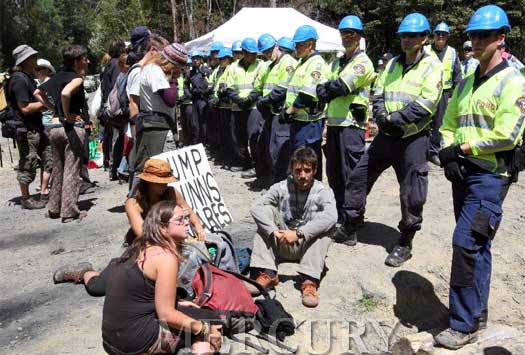
Police move in on protesters at Camp Flozza in the Florentine Valley [Photo by Niki Davis-Jones]
.
“..Push came to shove in the Upper Florentine Valley yesterday. Scuffles broke out as about 200 protesters confronted a line of police blocking access to a contested logging road.
Police arrested 15 people during yesterday’s Community Walk-In For the Florentine march.
In a short but heated exchange, several protesters broke through the the frontline of about 30 officers but were quickly tackled and arrested. No injuries were reported.
Over the course of the day about two dozen forest activists managed to infiltrate the logging site. One halted forestry operations for several hours after locking himself to logging equipment before police cut him free.
Tasmania Police act as cheap bouncers for the loggers
.
Some of the others were escorted from the area by officers, while others were arrested for refusing to leave an exclusion zone around forestry operations near Timbs Track, off Gordon River Rd, west of Maydena.
Those arrested yesterday were charged with a range of offences including assaulting police, trespass, obstructing police, disobeying the lawful direction of a police officer and breaching bail conditions. They were taken by bus to the Hobart police station. Thirteen were granted bail and two others appeared in court last night. Simon Christopher Browning, of Huonville, and Lauren Athalie Campbell, of Adelaide, were remanded in custody for breach of bail and will appear in the Hobart Magistrates Court this morning.
After the initial confrontation about 11am, the remainder of yesterday’s protest was peaceful. There have been 20 arrests during the police operation in the area. Forestry Tasmania ‘asked‘ police to clear the area surrounding the so-called Camp Flozza of protesters on Monday.
Camp Flozza – Government Bust in January 2009
[Source: The Mercury – Photo by Raoul Kochanowski]
.
Most of the old-growth forest to be cut in the area will become woodchips. The two-year-old protest camp was destroyed on Tuesday although four protesters continued a vigil on two treetop platforms. They could be heard shouting their defiance throughout yesterday’s protest. Police inspector Glen Woolley (Ed: hardcore logger sympathiser) said the outbreak of violence was regrettable.
“It’s very disappointing. Up until this stage the protest has always been peaceful,” he said. “The police presence is here to ensure that business operations were able to continue, however the activists have decided they would use some force to force their way through the blockade. “When they did force their way through the blockade, we were prepared for them and they were arrested very quickly.”
Police called for re-inforcements after the initial scuffles, boosting their numbers to nearly 60. Protester Bronwyn Smith said she attended yesterday’s protest because she believed the old forests were part of the state’s heritage. She said: “It’s much older than Port Arthur, they’ve never seen a chainsaw, there’s been very little disturbance.
“Can you imagine what it would be like today if they were at Port Arthur pulling down the ruins?
“We live in a dying world. We live in a world that’s becoming less and less tenable and less and less viable. And that’s in part because of the clearing of forest like what’s happening here.”
Fellow campaigner Patsy Harmsen said the logging had to be stopped. “It shouldn’t be happening, it mustn’t go on. It’s just the most shocking worldwide shame,” she said.
Ula Majewski, of the group Still Wild Still Threatened, said the largeHeadline: face-off turns nasty turnout for a weekday protest organised at short notice showed the strong support of the old-growth anti-logging cause.
“Once again, we are seeing a massive swell of community support for Tasmania’s carbon-dense old-growth forests and outrage at the destructive roading, logging, woodchipping and burning of these precious ecosystems by local climate criminals Forestry Tasmania and Gunns Limited,” she said.
“Our community will continue to stand up and speak out against these environmentally criminal acts. In this era of dangerous climate change, the destruction of Tasmania’s ancient forests is a global issue.”
She said there would be further protests.
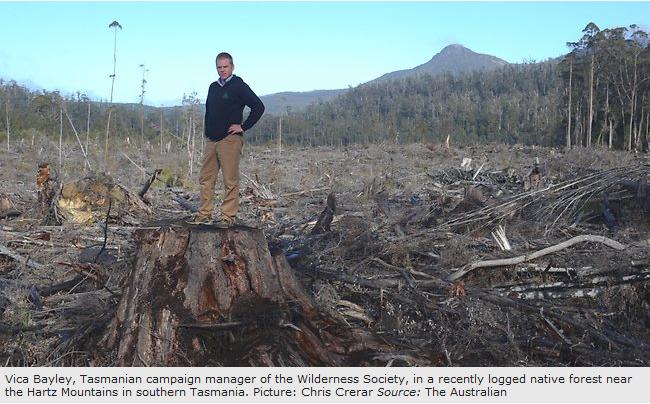
Wilderness Society spokesman Vica Bayley said the forestry operations in the area showed Premier David Bartlett was no different to his predecessor on forestry issues.
“The Bartlett Tasmania is in the grip of the same greed-driven woodchip frenzy that ex-premier [Paul] Lennon promoted with such blinkered commitment,” he said.
“It makes a mockery of the clever and kind Bartlett rhetoric when carbon-rich old-growth forests in an intact valley of World Heritage value are being opened up with a brand new logging road for clearfelling.”
Late yesterday, Derwent district forest manager Steve Whiteley said contractors had resumed work.
“Our staff and contractors are cleaning up the site of Camp Florentine and undertaking road repair and construction,” he said. “We have had plans in place for several years to harvest a 50ha coupe and to build four kilometres of road. “This year, we plan to harvest 25ha of this area, using a variable retention technique we have developed as an alternative to clearfelling. “The timber is being harvested to meet market conditions. All harvested areas will be regrown as native forest.”
Mr Whiteley said the wood was essential for Forestry Tasmania to meet its legislated requirement to supply 300,000 cubic metres of sawlogs and veneer logs annually. However, most of the old-growth forest to be cut is destined to be come woodchips. Police are expected to scale down their presence today.
‘In early May 2009, Forestry Tasmania came back into the area to log the coupe. It was Mother’s Day.
A huge police operation that lasted a whole month accompanied Forestry Tasmania’s bulldozers chain saws and log trucks. Almost every log truck that left the area got a police escort of a dozen cops jogging alongside!
The Cops had a mobile cop shop bus parked in the clearfell so they could process arrestees on site. The operation sucked most of the states police resources for the month of May as they maintained a constant 24 hour presence in the logging area for the entire month. Of course when the police association complained about the drain on resources, the government blamed us.’
[Source: Still Wild Still Threatened]
.
Logger Ecoterrorism Culture
.
Miranda Gibson:
‘This is yet another act of violence against the non-violent protest movement. This was not the first time that such acts of intimidation had been committed towards the protesters and community involved in the camp.
‘In 2008 when there was a fire-bomb attack on the camp in the middle of the night, many people were there and were awoken in terror. Two people at the camp had their cars set on fire by the attackers, as well as the camp’s information center being torched.
That incident occurred within days of a violent assault on myself and another protester at a peaceful action in another part of the Upper Florentine Valley. Logging contractors used a sledgehammer to attack a car that we were in. Smashing glass in on us and screaming abuse. When we eventually managed to get out of the car, fearing for our lives, my fellow protester was dragged to the ground and kicked in the head.’
.
How the incident was reported back in 2008..
“…Police have been called to investigate a film showing protester’s car being smashed by logging contractors. Protesters have posted footage of the attack by logging contractors on the Internet. They say one contractor kicked a man’s head when he was escaping from the car during the Upper Florentine Valley confrontation.
A representative of forest contractors said they had been pushed to the limit and he predicted further violence in the forests. He called on Gunns and Forestry Tasmania to compensate workers. The video shows several men, one wielding a sledgehammer, and one screaming expletives and abuse and smashing windows of the car.
The man and woman protesters were using a “dragon” technique, in which they put their arms into a pipe running through the floor of the car and into a concrete block in the ground below.
“The man was trying to get out of the car and he was pulled out and kicked in the head,” said Ula Majewski, spokeswoman for protest group Still Wild Still Threatened. She said a Forestry Tasmania staff member warned protesters to get out of the car before the attack but then stood by.
“Members of the Tasmanian community engaged in legitimate peaceful protest should not be subjected to this kind of violence, nor should it be condoned by a Forestry Tasmania employee,” Ms Majewski said. She said the FT employee could be seen in the video, which is on the public video website Myspace.
Forestry Tasmania last night said it had asked police to investigate the video footage.
Acting general manager operations Steve Whiteley said the staffer denied witnessing the violence. “Forestry Tasmania staff at today’s protest had provided a categorical assurance that he didn’t witness any confrontation while he was at the scene and did not receive any complaint,” Mr Whiteley said.
Australian Forest Contractors Association chairman Colin McCulloch said the contractor involved had had his work interrupted several times and had lost about $30,000.
“These loggers should be compensated by the industry or Government,” he said, adding that Gunns and Forestry Tasmania should pay in this case.’
“Florentine camp has been in place for the past five years as a frontline defence to protect the Upper Florentine. There have been violent attacks on the camp in the past. This valley is one of Tasmania’s most iconic high conservation value forests yet the current negotiations have failed to provide certainty for the future of this area. The camp is operating as an information centre, providing opportunities for tourists to take walks through the forest and find out more about the area”, said Ms Gibson.
“Sometimes I really miss the Floz and one thing I am looking forward to when I get down from this tree is going back to walk in the forest around the camp and visit all my favorite little spots. And I care deeply about all the people who are spending their time maintaining the camp. And it is hard for all of them to have to be out there this weekend, shifting through the ahes and rebuilding the camp again.”
“There is an odd lack of curiosity in the camp. People float in and out, asking a few questions of one another, as if the past is erased and this, what they are now, is all that matters.”
[Source: ‘Into the Woods: The Battle for Tasmania’s Forests‘, by Anna Krien, 2010, p.38, published by Black Inc. Publishing, ^http://www.blackincbooks.com/books/woods]
.
http://www.youtube.com/watch?v=8SsQrXhNwdI
.
Camp Florentine arson attack Sunday 9th September 2012
.
‘Anti-forestry protesters have reported an apparent arson attack on a well-known protest camp in the Upper Florentine Valley. Activists say a large area of Camp Florentine has been destroyed by fire. They believe it happened earlier this week.
Jenny Weber from the Huon Valley Environment Centre says there were no protesters at the site at the time of the fire because they had been helping at a tree sit.
“It’s very serious because it’s an arson attack, it’s a pattern that we’ve seen before where arson has been used against the protesters camp at the Florentine Valley,” she said. “Even though people weren’t there at the time, it’s also a threat to what we believe in and the very real fact that we’re standing up for Tasmania’s forest.”
“Environmentalists have been targeted by the industry in calls for durability despite the fact that our actions are always peaceful. The question is, will these same critics be condemning this violent attack on the conservation movement? There has been a great show of support from the community, in response to this act of violence. We have received many calls from people in the Derwent valley and offers of support to help with rebuilding the camp, which has began today.”
Environment Tasmania today condemned the reported arson of Camp Florentine and condemned all violence towards person or property as totally unacceptable, and welcomed the police investigation into the incident.
“It is very fortunate no-one was present or hurt during this incident and we welcome the police investigation,” said Dr Phill Pullinger, Director of Environment Tasmania. But it was also wonderful to receive so much support from the community and offers of help to rebuild. I guess it is a perfect time for a spring clean!
And with so much help, I’m sure they will be able to build an even better camp. And so Camp Floz will, as it always has, rise up from the ashes.
.
Comments on Tasmanian Times:
.
Ron, 20120913:
“Nothing in the mainstream newspapers? When forestry equipment gets damaged you dont hear the end of it.”
.
Garry Stannus, 20120913:
” The last time it was wrecked, was by the police. And the time before that …? ..the brotherhood roguery of Forestry Tasmania?
.
William Boeder, 20120914:
“I can envision in my mind the snortings and sniggerings going on between the many upper level individuals that orchestrate the denudation of our Old Growth Forests, (along with the incumbent wildlife species and ecosystems,) this must give each individual attendant to and associated with this plundering consortium of Neanderthals the most enormous mirth.
Across the top end waters of Australia’s North a like-minded family of Malaysians have almost completely destroyed their own natural forests and the many homes of their indigenous people, all this for the life-killing tainted dollars that they now have squirreled away for themselves, yet now they are greedily and cunningly sourcing their cheaply negotiated timber product from our Tasmanian people’s forests, thanks to our feckless State government of Lib/Labbers…”
.
John Hayward, 20120915:
“I can’t see any great moral difference between obliterating the camp and obliterating the surrounding forest. The same contempt for everyone and everything else is apparent in both.”
Less than a week before the arson attack on Camp Flozza, Tasmanian news media reported that vandals had caused about $750,000 damage to logging machinery in a Forestry Tasmania logging coupe.
Who attacked Les Walkden’s machinery at Butlers Gorge?
.
The media report ran thus:
…’Police were called to the logging coupe near Butlers Gorge in the Central Highlands early yesterday morning and found two damaged excavators and a skidder. One excavator had been used to ram the other two pieces of machinery. Private contractor Les Walkden owns the equipment.
“It’s extremely upsetting especially when your workers have got to go to work and find that,” he said. “I just hope that we can catch these people and, if we do, I can assure you…they’ll be (pursued to) the full extent of the law, we just can’t have this sort of thing going on. “We’re supposed to have peace with this forest agreement that’s being mooted at the moment and its just disgusting.”
Mr Walkden says he will have to stand workers down until new equipment is sourced and the site is forensically examined.
Ed Vincent, from the Forest Contractors Association, says it is another blow to a struggling industry. “Vandalism by whomever is to be abhorred.”
The State Opposition has condemned the damage, saying its proof the forest conflict is not over.
[Ed: This media statement by the Tasmanian Liberals is unsubstantiated, presumptive and spiteful and has likely become the incitement causing the arson at Camp Flozza and the Tasmanian Police ought to investigate who made this statement as part of their arson investigation.]
Just two days hence, and just three days before the Camp Flozza arson attack, came a second related report of property damage to the same industrial logger.
The Tasmanian news media report ran thus:
‘Police believe an arson attack at a forestry company’s New Norfolk offices on Tuesday night is linked to the vandalism of forestry machinery over the previous weekend.
“The office and dining area was entered and multiple fires were started,” Detective Constable Craig Fry said. “It appears some sort of flammable liquid was used in the incident,” he said. Detectives believe the fire at Les Walkden Enterprises at 69 Hamilton Rd was started at 11.40pm. It caused an estimated $50,000 damage.
“The fire is being investigated in conjunction with a recent incident involving damage to two excavators and a logging skidder, also owned by Les Walkden Enterprises,” Constable Fry confirmed. The vandalism attack caused $750,000 damage and was carried out at a logging coupe 12km south of Butlers Gorge in the Central Highlands on Saturday night.
“The attacks on the business do not appear to be linked to any kind of protest activity,” Constable Fry said.
Anyone with any information is asked to contact Crime Stoppers on 1800 333 000.
Yet the Tasmanian forest environmentalist campaigns have been consistently non-violent.
The fundamental core of the environmentalists defending the magnificent Florentine is non-violent protest.
All participating groups have a policy as such and the protest record is consistently non-violent. Importantly , the two night-time attacks on Les Walkden Enterprises have been confirmed by the investigating police detectives as not connected with environmental protest. It could more likely be a disgruntled past employee seeking revenge or some other criminal attack targetting specifically Les Walkden Enterprises, and happy to have blame attributed to environmentalists.
Indeed, the modus operandi of the night time attacks on Les Walkden have similarity with the attack on Camp Floz.
Yet as night follows day, within a few days Camp Flozza is torched, following the Tasmania Opposition publicly implying that this damage was associated with the “forest conflict”. How irrespponsible?
So what involvement did Tasmanian loggers play in this misguided arson attack on Camp Flozza just two weekends ago? Police ought to be taling to the local Forestry Tasmania crews under Scott Marriott, asking questions whther anyone saw anything; about who was where when around the local Maydena logger haunts like the National Park Hotel, the Maydena RSL and the New Norfolk Hotel. What vehicles were seen travveling along the Gordon River Road west of Maydena on the night of Sunday 9th September 2012?
.
Word of mouth says that in the days between the two attacks on Les Walkden Enterprises logging operations and the arson attack on Camp Flozza, loggers on Facebook were fuming and texting prolifically threatening retaliation against ‘Green scum’ and ‘Green terrorists’. Police investigation of social media could well identify the culprits of all three attacks.
One Tasmanian logger page on Facebook includes correspondence on a known Tasmanian logger page is telling of the angst.
.
.
“…the interim protection order on forests locked up for the IGA expired at midnight this Saturday just gone. Some of that forest was in the Buttlers Gorge area. Walkdens machinery was burnt out in the Buttlers Gorge area this weekend just gone, then his offices at New Norfolk….. co-incidence or not?”
.
“How would they like it if someone did this to their property??? They’d squeal like crazy. Makes me so angry when they do this.”
.
“Find them and cut off their centrelink payments plus jail time of 4 year. the governemnt BAN and shut down everything else so what not shut down the greens and BAN them.”
.
“Hope they catch the dickheads that did this soon, someone must have seen strangers in the area they didnt walk there .”
.
Jarrod Halsall should be nmade to pay for the damage done intil its completely paid should come out of there own back pocket ill go set there green alight and there propbety gutless doggs.”
.
“I suspect that there are a couple of lackwit bogans somewhere sniggering about how they not only got away with it, but the “greenies” are being blamed. No doubt a double bonus to persons of that ilk.”
.
“K***’are you really so gullible and naive that you think this is not the handywork of Green terrorists? Have a talk to Jenny – I believe she has a great little hand book on this kind of thing – Im sure you are aware of it?”
In Berridale, New South Wales, in the north-west foothills of the Australian Alps, there are hardly any trees left now. Generations of colonists have clearfelled forests of Australian Snow Gums en mass for ‘high country’ beef pasture.
Each Autumn when the bored local Rural Fire Service (RFS) is searching for something to justify its funding, it sets fire to the natural landscape on the basis of doing so being a bushfire ‘mitigation strategy‘. ‘Burn the forest before it burns’. Last month the Berridale RFS burned grasslands and the few surviving isolated old snow gums, and even the odd homestead by accident.
.
“We burned to death 100,000 Japanese civilians in Tokyo – men, women and children. LeMay recognized that what he was doing would be thought immoral if his side had lost. But what makes it immoral if you lose and not immoral if you win?”
~ Robert McNamara (Architect of the US War Against the Vietnamese’)
.
‘Berridale is a small country town in the famed Snowy Mountains ‘high country‘ of Australia, just a short trip from Australia’s highest peaks (Australian Alps) – about 60km from Mount Kosciuszko.
Vast grassy slopes and pastoral plains surround Berridale these days, all cleared by our forebears. Yet one can still find traces of the old country, dotted by ancient magnificent granite boulders holding old fella wisdom of the original people of this land. It was for eons blanketed by wild twisted Snow Gum forests and grand and rugged rivers coursed through this area giving vital sustenance to the diverse species of this place. Traditional Aboriginal people hold insight to the links between plants, animals and their surroundings.
Bucolic British..’Berridale’
..replicated in New South Wales
Australia (other side of planet)
.
The Northern Corroboree Frog and Lesueur’s Tree Frog are long gone away from long-clearfelled Berridale.
.
‘When one can no longer hear the frogs,
Nature has stopped breathing and has passed away.’
( Ed. – a metaphor to my aunt who passed away this morning)
.
So once again, the Rural Fire Service has lit fires around Berridale, lighting fires so that they may save the town from bushfires…“We had to destroy the village in order to save it”
Over recent weeks the Rural Fire Service across New South Wales has lit multiple fires it euphemistically labels as ‘hazard reduction‘ – any rich ground cover that may provide habitat foir groudn dwelling mammals is deemed a fuel and therefore a hazard. It must be therefore burned before it burns. The fires the RFS light are ‘prescribed burns‘, they precribe that a bushfire must be started so they start one.
It is like an arsonist deciding it is a good idea to light a bushfire and so lights one, like Brendan Sokaluk did at Churchill in Victoria on 7th Febuary 2009. The only difference is that because the RFS is a government funded agency it has legal immunity – read ‘impunity‘.
On 5th September, it was reported that ‘about 50 grass, scrub and bushfires have burned across NSW during a tough start to the bushfire season.’
Included was a scub fire in Budderoo National Park, near Kiama, burning out of control. It was one of those prescribed burns that had escaped.
So the reports read that crews from the NSWRFS and National Parks and Wildlife Service were using waterbombing aircraft to contain the fire, which was burning in inaccessible terrain, as if it was a wildfire that had started by lightning, not deliberately. It is almost like they light fires to create work for themselves, and destroy vast areas of bushland in the process.
.
Snow Gums do not enjoy being burned to death
So then the RFS declares a Total Fire Ban across most of New South Wales, so that residents don’t their barbeques in case they start a bushfire.
The hazard reduction burn at Berridale, burned out 200 hectares of largely grassly scrubland, taking with it old snow gums that must have been a few hundred years old in come cases.
A historic homestead was destroyed in the blaze. It was a lucky escape for Brian Woodhouse’s elderly mother, who was in the Myack homestead as the fire approached.
“She’s 86 years old and suffers dementia,” Mr Woodhouse said.
“This has been her home for all her life and this is the only place that she has got a touch of reality. Here at her home she knows where everything is.”
Mr Woodhouse said passers-by saved his mother’s life.
“One of the carers came around that day to have lunch with her and had just left after lunch,” he said. “She only travelled about 2 kilometres and she could see the fire, so she did a U-turn and raced back and got her out, with the help of a couple of the young Snowy River Shire Council guys.”
This immorality of setting fires seems extracted straight out of Robert McNamara’s military operating and debrief manual.
.
Snow Gums in their natural alpine environment
[Source: vjmite, TrekEarth.com]
.
Footnote
.
“We had to destroy the village in order to save it” is an infamous quote by US Army Major Booris in 1968 in the immediate aftermath of the Tet Offensive by North Vietnam forces.
It has come to symbolise the absurdity of war and the United States immoral prosecution of the Vietnam War. The quote was made famous by its reporting by a young Associated Press reporter, Peter Arnettwho had been assigned to report on the battle of Ben Tre during the Tet Offensive. For two days, a small American unit had battled the Vietcong, who in turn had killed many villagers. Arnett entered Ben Tre after it had finally been secured and interviewed a number of Army officers.
The following is believed to be the true account:
.
Saving Ben Tre: About the famous quote of the Vietnamese 1968 Tet Offensive: “We Had To Destroy Ben Tre In Order To Save It”
.
‘I was the Commanding Officer of Task Force Builder, an Army engineer group of 60 soldiers that was stationed in the small rural village of Rach Kein, Vietnam in 1968. Rach Kein was approximately 20 miles SW of Saigon, located in Long An Province. Our base camp was next to the base camp of the 3/39 Infantry Battalion of the 9th Infantry Division.
Ben Tre, Vietnam, is a moderately size town that is located on the Mekong River about 25 miles SE of Rach Kein. It was much bigger than Rach Kein, probably even bigger than the town of Long An.
During the first week of the Tet Offensive the VC made their big move of attacking Saigon. The 3/39 Inf. was initially sent to fight in the big battle for Saigon. This left us alone to face an NVA regiment of 5,000 men that surrounded us on January 29. We survived that. And we remained surrounded and cut off for several weeks. As best I recall, the 3/39 Inf. was in Saigon for about two weeks. I certainly remember this, because while they were gone from Rach Kein we were on our own as far as defending against ground attacks. These must have been likely, for at one point, the 9th Inf. Div. sent in several companies of the 2/39 Inf. to bolster the town defenses and to conduct sweeps around Rach Kein while the 3/39 was away.
I especially remember that one platoon of infantry was wiped out in a well laid ambush in an open rice paddy. It was just a few hundred yards from where we eventually built a school near the first village North of Rach Kein (can’t remember its name). The VC had cleverly built machinegun bunkers into the rice paddy dikes (it was the dry season), and the infantry walked right up to them before the VC opened fire.
Then the 3/39 returned. Or I should say that 75 percent of them returned. The fighting in Saigon had been intense. After only a few days rest, they were air-lifted by chopper to retake the town of Ben Tre. Ben Tre had been occupied by the VC during Tet. The VC had dug in heavily, and were not ready to retreat without a big fight. So the still exhausted and depleted infantry troops of the 3/39 were thrown into another vicious fight. I cannot tell you how much respect that I have for those guys. True heroes, every one of them. Tough, plucky, and mostly draftees. I still remember my wonder at the ability of America’s youth to endure.
I sometimes wonder if I am the only one who remembers them. So I willingly tell this story, so you can help me to remember. Their deeds should not be forgotten. The 3/39 Inf. Bn. suffered 100% casualties during the year 1968. I watched it. It is something that still haunts me. Eight hundred young men gone, dying bravely to serve the country they so loved.
Anyway, the fighting in Ben Tre went badly for the Americans. House-to-house all the way. The VC were so well dug in and barricaded that progress got stalled. So, in desperation, artillery and air strikes were called in on the town. Much of the town was heavily damaged in the resulting melee, but the town was retaken.
Several days later, Major Robert Black (the Rach Kein U.S. Army Advisor) invited me to attend with him an evening briefing that the 3/39 was going to give for a group of journalists and Saigon army brass. I had never before been invited to attend an infantry battalion briefing. I accepted the invitation. The briefing was held in a Vietnamese house that served as the S-3 office. It was about 7 houses East of where the VC barbershop was at one time set up. The house was on the left side of the road as you drove through the infantry compound, just about across from the infantry mess hall.
Anyway, the living room of the house was packed, mostly with civilians. The purpose of the briefing was to explain the battle of Ben Tre. Such briefings are usually conducted by the S-3, in this case, Major Booris. He was a heavy-set fellow.
He was also not my favorite officer. This was because he was the guy who told the infantry on guard to open fire on us the morning when we were walking back to Rach Kein across the rice paddies. This was when we had chased the VC who had ambushed the infantry Road Runners that one infamous and well-remembered morning (but that is another story). Fortunately for us, the infantry sergeant (an E-5) on duty had ignored the major’s orders. I’ll never forget his grin as he told me that he had saved our bacon by ignoring the S-3’s orders. He could clearly see that we were friendlies, so he withheld his fire.
Anyway, at one point the journalists were pressing Major Booris to explain why it had been necessary to wipe out the town. They were definitely pressing the point that perhaps too much force had been applied by the US forces. Major Booris was trying his best to put a good face on the situation. But at one point he got flustered, and blurted out, “We had to destroy Ben Tre in order to save it.” I have to admit that I almost laughed when he said that. It was a really unfortunate comment. But Major Booris, in his defense, was trying his best to defend his battalion’s honor. His CO, Lt. Colonel Anthony P. Deluca, deftly jumped to his feet and interceded to rescue Major Booris from this difficult moment. He smoothly carried the rest of the conversation. I really liked LTC Deluca. He was a good combat leader, and he was always fair to Task Force Builder.
Anyway, that was the only briefing of the infantry that I ever attended. But it turned out to be the most famous. Some of the journalists present at that briefing seized Major Booris’ comment, and they really publicized it. As I recall, it appeared on the cover of Newsweek or Time magazine within the month. And it has gone down in history as an example of the some of the insanity that was Vietnam.
Last year I was reading an historical assessment of the Vietnam War. The famous historian who wrote it actually challenged whether or not that Ben Tre statement was ever made. Well I know, because I witnessed it being made. I wrote to the historian, explaining this. I hope that he got my message.’
Regards,
Michael D. Miller
Former Captain, US Army Corps of Engineers
Commander, Task Force Builder, 1968
46th Engineer Battalion
159th Engineer Group
[The following article was written by Tigerquoll and initially published under the title ‘Anthology of State Serial Rape of Bermagui’s Spotted Gum Forest Habitat‘, on ^CanDoBetter.net 20100216]
Click this image to play music then click back to this article as it plays
.
Nothing less than the Australian Government can be trusted to protect vital Koala Habitat.Lesser smaller-minded state governments only see Koala Habitat as a logging and tourism resource.Small minded politicians like Kristina Keneally can never be trusted with national treasures
.
Bermagui’s Spotted Gums..the local Narooma Community in their defence against ‘Forest NSW’ (the Forest-Fiddling loggers)
.
Forest-Fiddling Logger driving his Spotted Gum spoils truck
.
But Eucalyptus maculata is a tree, not a floor
.
In terms of Australia’s iconic ‘Spotted Gum’, the word “spotted” refers to the soft mottled colour caused by weathering of the outer tree as it sheds elliptical strips of bark.
Spotted Gum bark
.
This colour varies from pale greybrowns and soft creams to a rich chocolate brown. A very tough timber, its frequent wavy grain can produce an attractive and highly valued fiddleback effect. [Source: Boral website, ^http://www.boral.com.au/timberflooring/timber_species_-_spotted_gum.asp]
.
Build something great, but don’t destroy something great in the process – like Koala Spotted Gum Forests!
Invest in Boral and you invest in Koala extinction
.
About 380km south of Sydney lies what NSW Tourism labels the beautiful ‘Sapphire Coast’ with the popular seaside town of Bermagui.
Less than 3km north of Bermagui heading north along Bermagui-Cobargo Road and up the Bermagui River estuary is the Bermagui State Forest – a label by the NSW Department of Primary Industry (DPI) given to magnificent Spotted Gum forest.
.
This forest is vital habitat for threatened native fauna – the Yellow Bellied Gliders, Grey-Headed Flying Foxes, Tiger Quolls, Sooty Owls, Sea Eagles, Possums and Australia’s iconic Koala.
.
Koala in Bermagui’s Spotted Gum forest – a displaced landlord
Australia’s magnificent and unique Spotted Gums are naturally distributed in open forests along the hilly coastal corridor from south-east Queensland down through New South Wales and with a few isolated pockets in East Gippsland, Victoria. They belong to the botanical family ‘Myrtaceae’ and grow straight and tall up to 40 metres. Their height attracts roosting by Sea Eagles.
Note the planet’s sole natural distribution of Spotted Gum ForestsThey have become the target of corporate development simply because Spotted Gums prefer a mild temperate climate near the coast..like Australia’s millions of breeding humans, and profiteering corporate developers
.
Spotted gums flower once every two years and produce a rich pollen that attracts native birds such as Lorikeets and Yellow Tailed Cockatoos as wells as possums and flying foxes including the IUCN vulnerable listed Grey-Headed Flying Fox. [Source: Australian Native Plants Society, Corymbia maculata, ^http://asgap.org.au/c-mac.html]
Grey-Headed Flying Fox (Pteropus poliocephalus)
The grey-headed flying-fox is listed as vulnerable to extinction under NSW and Australian legislation because of declining numbers and key threats such as habitat loss and urban conflict. Records indicate that grey-headed flying-foxes may once have numbered in the millions, but are now reduced to as few as 400,000. In the decade before listing, their population was estimated to have declined by 30%.
(Photo by Ákos Lumnitzer, ^http://amatteroflight.com/)
.
Unlike the declaration of a ‘National Park’ which affords federal environmental protection to forest habitat, the State label of a ‘State Forest’ is a misnomer. A ‘State Forest’ is deemed a timber and woodchip resource for logging. The same public relations label is used across New South Wales, ACT, Victoria, Western Australia, Tasmania and Queensland. A State Forest is not treated as a forest for its natural habitat values, but rather as a logging coup on death row, that can be chainsawed at will anytime. Perhaps ‘Death Row Forest’ is a more apt label than speaking the State euphemism of ‘State Forests’.
And its public relations label logging as ‘harvesting’, a euphemism to belie the destructive reality.
Bermagui State Forest after the loggers
.
The NSW Logging Offensive of 1988
.
On the back of a century of clear felling Bermagui State Forest was logged in the late 1980s. Then according to data from the ‘Bureau of Resource Science‘ (aka science graduates on the payroll of loggers), 148ha were “thinned” in 1996, and another 133ha that same year, then 94ha in 1999.
Typically 70% of the spotted gums goes to Boral’s mills in Narooma, Nowra and Batemans Bay as sawlogs to be processed into mainly flooring. The remainder end up as woodchips at Nippon Paper’s woodchip mill at Twofold Bay for export to Japan.
So Australia’s precious endangered habitat is being destroyed for house flooring and office paper. .
This RFA is one of three established in 1999, in which the NSW Government relegated 15.1 million hectares of native forests across New South Wales for logging anytime. The usual public relations spin preceded the logging. Southern Region manager of Forests NSW, Ian Barnes.
It was at this time that Labor’s Minister for Primary Industries (Forests NSW) Ian MacDonald and Labor’s Minister for Police Tony Kelly started to use Dick Cheney tactics to push their weight around with protesters. The following questions to the NSW Legislative Council by NSW Greens Senator Lee Rhiannon on 28th October 2008, highlight the escalated use of law enforcement into a heavy handed riot squad:
.
Lee Rhiannon MLC:
“I direct my question to the Minister for Police. Did officers stationed at Batemans Bay police station in collaboration with Forests New South Wales hold a meeting at the Bermagui Country Club in September to warn locals associated with calling for forest protection not to protest when logging commenced in the Bermagui State Forest? Does the holding of this meeting reflect that Batemans Bay police officers have adopted a zero tolerance policing approach to forest protesters? Considering that since logging started in Bermagui State Forest on 27 October with a group of about 40 protesters gathered in the vicinity, about 15 police cars, more than 20 police, including members of the Public Order and Riot Squad, a mobile police command bus and two police rescue vans have been in attendance, will this level of policing continue for the coming six weeks of logging in this area? What is the anticipated cost of this operation?
.
Tony Kelly MLC (response):
“The Far South Coast Local Area Command of the New South Wales Police Force has been advised that New South Wales Forests is to commence logging compartments of Bermagui State Forest later this month. As in the past, protests are expected. As always, the New South Wales Police Force is committed to maintaining public order. For this reason, local police and various commands, including the Public Order and Riot Squad, Highway Patrol and Rescue Squad will join together to conduct an operation.
This operation will focus on ensuring the protection of persons engaged in lawful activities. Local police have made it clear that anyone engaging in unlawful or dangerous activity in or near the logging operation will have action taken against them. When offences continue and are considered dangerous, police will arrest and charge people as necessary. Police respect people’s rights to protest during these times; in no way are they looking to prevent lawful and peaceful protests. Police have asked anyone who intends to protest to contact them so that they can attempt to facilitate lawful activity, minimise disruption and focus on protecting the safety of everyone involved.”
On Monday 2nd February 2009, logging operations resumed in the Bermagui State Forest after the summer holiday break period and continued for about two months.
Bruce Mathie and Sons is one of the prominent loggers in the area, but most timber finds its way either as saw logs to Boral for Spotted Gum flooring or else to Nippon Papers woodchip mill at Twofold Bay, Eden for export to Japan.
The forest eco-rapers ‘Forests NSW’ – bulldozed, chainsawed, logged, then left with their booty.
.
Kevin Mathie – 4th generation logger
.
Logging contractor, Gil Mathie, in the middle of the picture at front (pink jumper)More notably, this editor is saddened by bearing witness to a senior member of the Bermagui community being arrested for conserving Spotted Gums and Koalas.We love, we defend, we act for love. Salute the man being arrested.
[Source: Local environmentalist, John Perkins, Gulaga Protest near Tilba on the NSW South Coast, 20070514]
.
Labor’s Ian MacDonald’s Forestry Regulation of 2009
.
But rather that do the right thing by the Environment and by the Community and obey the law of the land, those in power The Labor Government’s (Forests NSW) forced changes to the law of the land to bloody well suit themselves. Arguably reminiscent of England’s King Henry VIII changing laws to accommodate his adultery, or Joh Bjelke-Petersen’s gerrymandering that secured his electoral hold on power.
In order to keep the cameras and local conservationist away from the loggers destructive practices, Forests NSW got the Minister to legislate an exclusion area around its logging with the public relations labeling of “mainly for safety reasons”.
On 1 September 2009, the NSW Forestry Regulation 2009 came into force making it illegal for anyone to trespass into areas marked by NSW Forests for logging. This has given Forests NSW absolute logging power with the police as its enforcement lackies.
Forests NSW Minister for Primary Industries, Ian MacDonald, tabled the Bill and it became law preventing democratic protests by people trying to save important habitat from destruction. It has given loggers free reign to log State Forests with impunity.
Under Part 3, Division 1, Clause 11 of this Regulation, a logger has legal authority to request anyone to leave a forestry area and this includes if that person “causes inconvenience.”
Under Clause 12, a logger can forcible remove anyone from a forestry area “who is causing annoyance or inconvenience.”
Surely such removal by a logger can be construed an assault under the Crimes Act? It is draconian. It is certainly an assault on Australians’ democratic right to protest. What was Ian MacDonald thinking?
.
Labor’s Ministers in charge three years hence…
.
Labor’s Police Minister Tony Kelly MLC
NSW Minister for Emergency Services, Lands, Police and Primary Industries.
.
‘Tony Kelly was targeted by protesters as he arrived to give evidence at the ICAC in June. Today the commission has found the former minister engaged in corrupt conduct.’
‘DISGRACED former state Labor ministers Tony Kelly and Ian Macdonald are demanding taxpayers foot their legal bills and the state government could be forced to hand over up to $250,000. Despite being found by corruption watchdog ICAC to have forged official documents while a minister, Mr Kelly has formally asked the O’Farrell government to cover the cost of his elite legal team.’
Labor’s Logging Minister Ian MacDonald MLC
Forests NSW/ Minister for Primary Industries in 2009
.
‘The disgraced former NSW resources minister Ian Macdonald is to face a new corruption inquiry into the granting of coal exploration licences. The Independent Commission Against Corruption said in a statement yesterday that Mr Macdonald is being investigated for allegedly using his ministerial position ”to advantage the private interests of others”.
‘The senior state minister Ian Macdonald signed taxpayers up to the V8 Supercars race without a system to manage potential conflicts of interest, without advice from the government’s major events body and without a proper business case, the NSW Auditor-General finds.’
In September 2009, Forests NSW commenced logging again in Bermagui State Forest, like pack rapists marauding through a maternity ward.
Sure enough, on Monday, 14th September 2009, Police arrested two of four forest campaigners who had allegedly entered Bermagui State Forest in what Forests NSW had labeled logging compartments 2001 and 2002. Apparenpe known to support koalas is unacceptable, particularly when the NSW government cannot prove their claims that koalas can be found anywhere in the south east,” said Robert Bertram, local Friends of Five Forests member.
“This is yet another example of Forests NSW lack of care for community and the environment,” said Lisa Stone, spokesperson for South East Forest Rescue.
“They are logging old-growth in Dampier, threatened species habitat in South Brooman, endangered species habitat in Nadgee and now this.”
“The loss of biodiversity coupled with logging and burning means the condition of many forests is as bad as the endangered ecological communities on private land, unable to support most threatened and endangered species and unable to recover.”
“We urge the newly appointed Minister for the Environment, Mr John Robertson, to step in on behalf of the native forests and their dependents and stop these archaic practices.”
“The current government policy of destroying habitat to satisfy ‘wood supply agreements’ is robbing from the future generations their chance of survival. The amount of breaches was astounding and shows that Forests NSW cannot be trusted to log these important areas of Koala habitat.”
“We have inspected many other logging operations in the past year and have found the same breaches everywhere we have looked. This is pe known to support koalas is unacceptable, particularly when the NSW government cannot prove their claims that koalas can be found anywhere in the south east,” said Robert Bertram, local Friends of Five Forests member.
“This is yet another example of Forests NSW lack of care for community and the environment,” said Lisa Stone, spokesperson for South East Forest Rescue.
A community morally right to defend habitat and prepared to defend that right
.
“They are logging old-growth in Dampier, threatened species habitat in South Brooman, endangered species habitat in Nadgee and now this.”
“The loss of biodiversity coupled with logging and burning means the condition of many forests is as bad as the endangered ecological communities on private land, unable to support most threatened and endangered species and unable to recover.”
“We urge the newly appointed Minister for the Environment, Mr John Robertson, to step in on behalf of the native forests and their dependents and stop these archaic practices.”
“The current government policy of destroying habitat to satisfy ‘wood supply agreements’ is robbing from the future generations their chance of survival. The amount of breaches was astounding and shows that Forests NSW cannot be trusted to log these important areas of Koala habitat.”
“We have inspected many other logging operations in the past year and have found the same breaches everywhere we have looked. This is not a once off mistake but a systemic disgust for any environmental protection measures.”
Conservationists state the native forest logging industry is unsustainable and only propped up by political will, public subsidies and union backing.
Spokesperson for the South East Region Conservation Alliance, Pru Acton, says:
“The significant social and economic costs of reduced biodiversity can only increase while our natural systems are poorly managed.”
“Credible experts agree that the cost of logging this habitat is not only the last few koalas, but also potable water supplies, oysters, the inspiration for the local artists community, and another chunk of the Wilderness Coast’s tourism potential.”
“It seems the NSW Government has now decided its contractual obligations to supply sawlogs locally and woodchips to Asia is more important then protecting this much loved native animal.”
.
South East Region Conservation Alliance
.
Conservationists state the native forest logging industry is unsustainable and only propped up by political will, public subsidies and union backing.
Spokesperson for the South East Region Conservation Alliance, Pru Acton, says: “The significant social and economic costs of reduced biodiversity can only increase while our natural systems are poorly managed.”
“Credible experts agree that the cost of logging this habitat is not only the last few koalas, but also potable water supplies, oysters, the inspiration for the local artists community, and another chunk of the Wilderness Coast’s tourism potential.”
“It seems the NSW Government has now decided its contractual obligations to supply sawlogs locally and woodchips to Asia is more important then protecting this much loved native animal.”
.
[Source: ‘Logging resumes at Bermagui’, by Stan Gorton Narooma News, 20090204 – note the Narooma News has removed this news item online. However, the Narooma News has chosen not to remove its following story (Source: ^http://www.naroomanewsonline.com.au/story/191381/albino-possum-causes-log-truck-roll-over-at-narooma/ if it be not similarly removed].
Speeding logging trucker blames possum..Narooma News editor’s reputation shot
.
Narooma News spins the following story to appease local logger readership:
.
“In a bizarre set of circumstances, a rare but dead albino possum is believed to have caused a log truck roll-over on the Princes Highway just south of Narooma.
The accident occurred just after 1pm when witnesses said a local from Wallaga Lake stopped to look at the road-kill possum that had been lying on the roadside at the entrance to the Island View Beach Resort.
A series of cars backed up behind the stopped vehicle in the southbound lane. Another Narooma local who was last in the line of stopped cars looked in his rear-vision mirror only to see the huge red-coloured truck coming up fast from behind.
“I think I am going to buy a lottery ticket,” said the local, who at one point thought the truck was going to smash into him and end his life.
The truck driver then allegedly swerved onto the wrong side of the road, narrowly missing the line of cars and while he was fortunate not to face any oncoming northbound traffic, he did lose control on the straight stretch of highway.
The truck reportedly clipped a boat trailer, flipped onto its side, sliding down the highway with the prime mover coming to rest in bushland just off the verge north of the Nangudga Bridge.
An ACT couple who among those first on the scene were able to help the truck driver out of the cab but they said he was badly shaken up and was not aware of where he was.
The Pambula man was the only person injured in the accident and was taken to Moruya Hospital for treatment.
The highway was closed down to one lane with firefighters, police and RMS personnel cleaned up and investigated the scene.
Residents from the nearby Island View caravan park were alerted to the accident by a loud bang and they lined the highway watching the accident.
The accident occurred at the start of the June long weekend where NSW police were out in force urging drivers to be careful on the busy roads.
Albino or golden brush-tailed possums are very rare but there is a known population living in the Narooma area.’
.
~ by the Narooma News editor…and watch out for drop bears too!
.
Meanwhile NSW Forests remains culturally contemptuous to NSW forests
.
Forests NSW recruit their students with Communications degrees to lie for it on its website:
“State forests in NSW are managed sustainably to provide a supply of timber today and into the future, to protect the environmental values of the forest and provide community amenities.”
Forests NSW website claims that “Ecologically sustainable forest management (ESFM) is our guiding philosophy. ESFM is about managing forests to maintain ecological principles and biodiversity while optimising the benefits to the community from all uses of the forest…”
Narooma Community in defence of Koala Habitat
– clearly not convinced about Forests NSW spiel about “optimising the benefits to the community”
.
Revolving Door politics of NSW Labor
.
In the revolving door politics of NSW Labor, Premier #3 Nathan Rees on 16th November 2009 sacked Ian MacDonald from his DPI Ministry.
Rees was himself sacked as premier on 3 December, then a week later, Labor Premier #4 Kristina Keneally (Labor show pony) reappointed Ian MacDonald ‘Minister for State & Regional Development and Minister for Mineral & Forest Resources‘ in December 2009.
The labelling of Minister for ‘Forest Resources’ left NSW State Forests in no doubt about the death row status. Throughout NSW Labor’s factional power shuffle Macca’s chair never got cold.
The then Minister for Primary Industries , Tony Kelly, overseeing Forests NSW, claimed on 18 November 2009: “The NSW Government has a solid track-record for maintaining prosperous and sustainable primary industries, I will be working hard with industry to ensure this tradition continues.”
All State Forests should be added to Australia’a National Park Estate. State Governments and their narrow mindset culture cannot be trusted with ecology. Boral and Nippon Paper can transition their logging operations into plantation-only FSC resources.
The Twofold Bay Woodchip Mill was set up near Eden in 1969 by Daishowa Paper Manufacturing Company has exported and profitted from over 35 million tonnes of Australian native forest woodchips, mostly to Japan, where its parent company is based.
In contributing to the annihilation of thousands of hectares of Australia’s native forest habitat the Daishowa Twofold Bay Woodchip Mill is Australia’s Habitat Auschwitz. It must be unceremoniously closed down immediately.
Daishowa – Japan’s BIG Corporate Eco-Rapist and BIG Koala Exterminator
‘Greens MP David Shoebridge today met with local campaigners and timber workers in the Bermagui State Forest to get a first-hand view of the impact of continued logging in the South East Forests.
“There is a real concern that this logging is further fracturing the remaining stands of koala habitat in the South East,” Mr Shoebridge said.
“The logging is being undertaken in a nature corridor that links Wallaga Lake National Park and Bermagui Nature reserve. This corridor should be protected.
“With the logging at Bermagui coming within a few hundred meters of town the prospects of more intensive and drier regrowth producing higher levels of fire hazard are real.
“Forests NSW has said that the beautiful “cathedral” entrance to Bermagui will be protected. However on closer inquiry only a small part of the western side and a 50m ‘visual protection zone’ to the east is currently protected.
“In discussions with Forests NSW today they have committed to reviewing the decision on the cathedral to consider protecting all of it from logging. This would be a welcome, if modest, concession.
“The South East Forests are a priceless natural asset and this new State government has a real chance to break with the past and save them from continued logging for wood chips.
“Local campaigners are committed to saving these beautiful forests and this will remain a key focus in the coming years,” Mr Shoebridge said.
.
[Ed: That was over a year ago – our love and commitment for the old forest – we remember ]
I think of myself as child of Easter Island. I watch in admiration at a bird singing in a tree.
I watch in horror as the tree is felled by the grown ups and the bird flies away.
I tug on my father’s arm and ask why are the grown ups killing the trees dad?
He responds: “You’ll understand when you grow up.”
“The most interesting information comes from children, for they tell all they know and then stop.”
~ Mark Twain
.
Many of the younger generation cannot understand why the older generation is destroying the planet.
Without being ageist, there is a noticeable positive correlation between the young wanting to respect the planet, and the ‘Baby Boomer’ generation which largely remains hell bent on destroying it. Examples are everywhere. Start with our politicians and business leaders.
The Baby Boomers who find themselves aligned with those who respect the planet are noticeably in the minority amongst their peers and vice versa.
Tigerquoll
Suggan Buggan
Snowy River Region
Victoria
Australia
‘A study conducted for the first time on five different species of owls inhabiting Western Maharashtra by city-based ornithologist Dr Satish Pandey, a fellow at the Maharashtra Academy of Science, has revealed how these nocturnal birds, who are losing their habitats because of environmental destruction and other superstitions, play a very important role in safeguarding the environment.
Five species of owls belonging to the Family Tytonidae (barn owl) and the Family Strigidae (Indian eagle owl, brown fish owl, mottled wood owl and spotted owlet) co-inhabiting the Deccan Plateau, the coastal region of Konkan and adjoining places were studied to understand preference habitat, reproductive behavior and food niche partitioning from 2005 till 2008.
The study was presented at the 7th Asian Raptor Research and Conservation Network (ARRCN) Symposium on Migratory Bird held in Korea last week on how the owl’s diet can be useful as a means of biological control of agriculture pests.
The studies revealed that spotted owlets and Indian eagle owls had the most compact habitat clusters, indicating a more specific habitat requirement, namely scrubs and grasslands. But since most of the lands are under development, the owls are fast disappearing. As the owls feed on rodents, birds, reptiles and insects and spend longer time in agricultural habitats, they are being subjected to anthropogenic activities and other interferences.
Mottled wood owls, which prefer deciduous forests are found only in India and inhabit mainly forested areas, where the use of pesticides is leading to problems as they eat rodents. Also, as they are tree-hollow nesting species, they are fast losing their nesting sites because of the felling of trees in their inhabited areas.
Barn owls and brown fish owls occupy more diverse habitats, with the latter preferring more water bodies and evergreen forests in their habitat. Due to the rampant destruction of rivers and lakes in Deccan Plateau, the birds have almost disappeared and have gone to upper streams as they require greener patches.
“We selected an area of 1,000 m radius around the nest in order to analyse the landscape features in all of the nest territories and visited each nest at least five times. We collected pellets of digestive foods, which were scrutinised by experts from Zoological Survey of India (ZSI),” said Dr Pande.
The study, besides understanding owl habitats, also included data based on Pianka Niche Overlap Index (PNOI) which suggested that spotted owlets and Indian eagle owls had maximum food overlap in terms of mammalian, avian, reptilian and insect prey, followed by barn owls and mottled wood owls, which are generalist feeders without specific food preference, while brown fish owls had the less overlap as they ate fish.’
. About Dr Satish Pandey:
‘Dr Satish Pandey is an Interventional Vascular Radiologist and Assoc. Professor of Radiology at BJ Medical College. He works in ecology and field ornithology and has made several video films on raptor ecology, marine ecosystem and conservation, has published more than 40 papers and has authored several field guides and popular books on ornithology, nature education, orchids and other subjects to promote conservation.’
Australia’s tradition of the ‘Wood Fire’ is ecologically destructive
.
During Australia’s winter months, many in older homes habitually yearn for the warmth and glow of a traditional Wood Fire, and so utilise their open fire places and wood heaters. So habitually, upon the onset of winter people stock up on Firewood. It is a cultural yearning for the nostalgia of the Wood Fire – warm, earthy, dancing flames, flickering, spark spitting, the woodsmoke – we’ve all been there, it is tantalising and it feels right because it is natural – the ancient campfire tradition across humanity. In doing the Wood Fire ritual, we seek to rekindle our connection to Nature.
The warmth and glow of a traditional Open Fire
…but the demand is driving deforestation of Ironbark Forests
.
In earlier times when a few hundred of us settled in a given forest region, few forest resources were taken and so the forests replenished and seemed to cope. The forests were naturally resilient.
But as subsequent human hoards have invaded the land, and have bred and sprawled across the countryside in the hundreds of thousands, we have deforested entire forests in the process. These forests haven’t coped with the devastation. No forest could cope.
Australia’s native forests have been hacked, logged, burned and bulldozed into agrarian pasture to the horizon. Australia’s original blanket vegetation cover has been reduced to sad islands barely able to support wildlife habitat and in many cases causing extinctions – locally, regionally and nationally. All one needs do is a Google Earth search to appreciate the devastation on the natural landscape.
A legacy of forestry
.
Humanity’s sheer numbers and the encouraged consumption rate of Australians risk exacerbating the deforestation. Contemporary Australia is simply extending and perpetuating the old colonial exploitive mindset and a lifestyle reminiscent of 19th Century invading colonists.
The cultural heritage of the Wood Fire is necessarily contributing to this deforestation, particularly to Australia’s native Box-Ironbark Forests.
For Australians to continue to yearn for the glow, warmth and woodsmoke of the traditional Wood Fire now that we number in the hundreds of thousands, if not millions, and so the aggregate consumption of timber for firewood has simply become unsustainable. Our native forests have become too small and disparate to sustain wildlife breeding.
The few shrinking native forests that our forebears and their frenzied clearing have left us, simply are disappearing. Australia’s remnant native forests continue to be destroyed by us just to serve this selfish cultural yearning for earthy nostalgia of the Wood Fire. The same applies to all woodheaters.
A classic wood fire in an old style open fireplace
.
The Australian Wood Fire cultural imperative through winter has become a driver of forest extinctions. There have become too many of us wanting tonnes of the forest to burn in our open fires and wood heaters, and too few forests left.
Australia’s firewood demand is driving deforestation. There is estimated to be around 800,000 wood heaters and 700,000 open fire places in Australia (ANZECC, 2001). There combined use is unsustainable and has got to stop! We need to question this inherited and habitual Open Fire/Woodheater culture and the devastating impact it is causing to our native forests.
.
“One of the hidden environmental issues affecting Australia’s woodlands, the collection of firewood, is starting to be revealed. CSIRO has prepared a report, Impact and Use of Firewood in Australia, pointing out alarming environmental problems. For example, up to 6 million tonnes of fuelwood is consumed in Australia each year – double the amount of annual exports of eucalypt woodchips!”
Firewood taken from a native forest for personal use is one thing. The scale and severity of adverse impact upon forest ecology will vary according to the amount taken and the ecological sensitivity of the place it is taken from. Few domestic takers of firewood will be qualified ecologists and so will have no or little comprehension or respect for such impacts.
A private firewood stack
.
According to the CSIRO, up to 5.5 million tonnes of timber is harvested annually for Australian domestic firewood use. When industrial firewood use is included, the total amount rises 20% to between 6-7 million tonnes. This weight is roughly double the amount of eucalypt currently exported annually from Australia as woodchips. About half of all domestic firewood is collected by the consumer and 84% of domestic firewood is collected on private property. [CSIRO, 2000]
Across Australia, access to State Forests is unfettered and the collecting of firewood for personal (domestic) consumption is an uncontrolled free-for-all, little improved from the exploitative mindset of Australia’s early and more ignorant colonists.
Australian colonial ‘progress’
.
Deforestation by firewood taking is perhaps not as broadscale and well known as the Conservation Movement’s exposure of state-sanctioned Industrial Logging by the likes of Australian state government departments:
‘VicForests‘ (Victoria)
‘Forests NSW‘ (New South Wales)
‘Forestry SA‘ (South Australia)
‘Forestry Tasmania‘ (Tasmania)
‘Forests and Wood‘ (Queensland)
‘Forests Products Commission‘ (West Australia)
.
Or is it?
It is Australia’s Commercial Firewood Industry that contributes to the demise of Australia’s remnant native forests by its ‘death by a thousand cuts‘. Commercial Firewood entails the direct taking of wood from Australia’s native forests for commercial sale and profit. It is of a scale far greater than domestic forewood collecting, but where are the statistics kept and publicised by the Australian Government?
Just as demand for firewood drive supply, the artificial low economic cost of firewood encourages demand volume. Since firewood is sold a low cost, it competes favourably with jalternatiuve sources of fuel, such as gas and electricity, for domestic heating. Commercial firewood suppliers also deliberately appeal to the Wood Fire cultural image to encourage their firewood sales. Suppliers and consusmers thus feed off each other at low cost and high volumes, and so more native forests lose out.
A commercial firewood stack
.
The low or no cost availability of timber from State Forests Native timber means that the industry operates on an industrial scale taking vast quantities of timber, particularly from the preferred hardwood Box-Ironbark Forests and the like. The Commerical Firewood Industry is encouraged by the Australian Government and by all state governments, which ignore the practice as if Australia’s natuve forests are unlimited, as if it had no adverse ecological impact upon the forest ecologies, as if it didn’t matter, as if there were no tomorrow.
Commercial Firewood Production
Norwegian Hakki-Pilke industrial machinery enables an industrial scale operation
[Source: Mascus Australia, ^http://www.mascus.com.au/]
.
Across Australia, each state government issues cheap permits for collecting firewood from State Forests.
This reflects:
A cultural disregard for the values of Australia’s disappearing forest ecologies up to Prime Ministerial and Cabinet level
The inadequacies of State laws to protect forest ecology
An antiquainted colonist mindset persisting throughout the dominating Liberal and Labor parties.
.
The ecological impacts and the plethora of ecological advice and warnings about the destructive impacts of logging on forest ecology are being ignored. Australia’s Commercial Firewood Industry fuels demand for cheap firewood and in the process exacerbates Australia’s deforestation.
Australia’s Firewood Industry is unsustainable and has got to be nationally controlled. We need to challenge this exploitative industry and correct ignorant government policies. We need to find alternatives to the Wood Fire to stem the devastation of Australia’s remaining native forests and to help prevent more wildlife extinctions.
.
‘Forest Eco-theft’ involves the immoral taking of timber from a native forest, especially in large industrial quantities, for commercial gain and incurring no or little economic cost to the taker. The intended or actual use of the timber is irrelevent, but may include logs, firewood, craft timber, or woodchips. The greater the timber volume taken, the greater impact upon a forest and so the more serious the Eco-theft.
.
‘Eco-theft’ is only different to criminal theft because of the colonist exploitative mindset of current governments rejecting native forest having ecological value worthy of protection under the Crimes Act.
.
An industrial scale Hakki-Pilke firewood processor from Norway
.
Forest Eco-theft in an environment of dwindling forest habitat has become a key threatening process. At the current rate of Forest Eco-theft, Australia’s native forests fueling our pleasure for earthy glows and hearth warmth, will be gone.
Firewood Logging simply destroys forest habitat and contributes to the demise and local extinctions of threatened and endangered wildlife. Australia’s flora and fauna deaths and ultimate extinctions has become infamy – Australia currently has the worst record of mammalian extinctions on the planet, and the Firewood culture is contributing to it.
Many consumers of firewood either actively couldn’t care, or else passively turn an insular blind eye to the adverse ecological impacts of firewood harvesting. Our Australian Government ignores the firewood deforestation problem, avoiding it for party political convenience – immorally, irresponsibly and unrepresentingly.
Just as Poaching Wildlife is immoral, so too is Forest Eco-theft. Both these exploitative practices hark to colonial times and need to be banned.
Firewood Logging of State Forest near Taralga NSW in 2006.
(along the Goulbourn-Oberon Road, just west of the Blue Mountains)
“This is in the habitat of Diuris aequalis. Had a fair result after two visits to this site and three submissions to local Council. Department of Environment and Conservation have imposed rigid conditions on this business.”
[Source: ‘Habitat – Protection or Destruction‘, 2006, by Alan W Stephenson, Conservation Director, Australian Orchid Council Inc.
^http://www.orchidsaustralia.com/article_%20conservation_no3.htm]
.
.
Why choose ‘Ironbark Firewood’ ?
.
Why choose Ironbark Firewood ? Why not choose an alternative sources of fuel for home heating? Never thought to question the legitimacy of your fuel?
Here’s the justification by one firewood supplier as to why one should choose Ironbark Firewood:
‘Long Burning. Harder to start but will burn 6 – 8 hours. These timbers are the slowest growing and the hardest of all hardwoods.’
‘Very little ash. Clean out fire only once per season approximately.’
‘Strong Burning. Cannot be put out even if the vent closed, unless water is used.’
A classic Ironbark ‘Open Fire’
.
The most common type of firewood commerically sold and promoted in the eastern Australian states is Ironbark Firewood. This is typically sourced from Box-Ironbark Forests (native grassy woodlands).
According to the Firewood Association of Australia (FAA), Ironbark and Box are the preferred firewood in Queensland, while in Victoria, southern NSW and South Australia, River Red Gum is preferred. Jarrah and Wandoo hardwood timbers are preferred in Western Australia, while in Tasmania, Brown Peppermint is considered the best firewood.
Sydney’s Firewood has been linked to ongoing Queensland land clearing, and in Queensland successive backward state governments have an ignoble reputation for land clearing like there’s no tomorrow.
Landclearing in Queensland has become the major supplier of Sydney’s quality firewood. Most of Sydney’s big firewood companies now rely on the Sunshine State for a significant proportion of ironbark and box logs – highly sought-after timbers because of their density. The National Parks Association says firewood from endangered Queensland woodlands is being used in homes across New South Wales.
Back in 2001, the National Parks Association of NSW called on the NSW Government to limit the State’s use of firewood following revelations that most of the wood sold by Sydney’s big firewood companies comes from clearing of Queenslands threatened Ironbark and Box woodlands.
Ironbark Woodland of Central Queensland
[Australia Natural Resource Atlas]
.
At the time, Mr Charlie Spiteri, the owner of Betta Burn Firewood, one of the biggest suppliers in Sydney, refused to reveal how much firewood he supplies each year but estimates that the Sydney region, including Katoomba, consumes about 100,000 tonnes.
Commercial Firewood stockpile
(click photo to enlarge)
.
Spiteri said about a third of his supply was sourced from Queensland, where the wood is worth between $40 and $50 a cubic metre. By the time the freight reaches Sydney, it is worth up to $125 and is being snapped up. “People are choosing ironbark and box and we have to go where the timber is,” Mr Spiteri said.
Other major sources of hardwoods for Betta Burn include the Pilliga State Forest in north-west NSW and private properties in the Nyngan area.
Executive officer at the National Parks Association (NSW), Mr Andrew Cox, said:
“Firewood collecting is the second largest threat to Australia’s temperate woodlands after land clearing. Now its being linked to landclearing!” “We know little about the impacts of firewood collecting and governments have been slow to take an interest. Most firewood consumers are unaware of where their wood comes from or the huge impact it has on threatened animals, birds and reptiles.”
“The firewood industry is large, but mostly unknown”, said Andrew Cox, NPA Executive Officer. “About 1,500,000 tonnes of firewood are used by New South Wales each year, exceeding the State’s yearly combined production of sawlogs and woodchips.”
“Firewood collecting targets slow-growing ecosystems and some of their most important components. Eucalypt species such as ironbark, box and red gum are the most favoured firewood sources.”
“We need to move away from the need to ‘clean-up’ a forest or woodland and instead look at dead wood as an important ecological component – just as important as the living trees.”
“Its because we’re not properly managing the woodlands that a wave of bird extinctions is underway in central NSW. More than 20 woodland dependent birds are declining from their former range and may become extinct in NSW. “It’s not ecologically sound, it’s not sustainable and there are serious impacts on birds, on animals that depend on the hollows.”
But no-one knows for sure how much timber salvaged from the bulldozed woodlands of Queensland is making its way south of the border in convoys of semi-trailers. Firewood collection operates in a legal vacuum – especially on private land – and virtually no figures are kept for where wood is sourced or how it is collected.
[Source: ‘Sydney’s Firewood Linked to Queensland Land Clearing‘, by Andrew Cox, Executive Officer, National Parks Association of NSW, 20010428, ^http://dazed.org/npa/press/20010428firewood.htm]
A typical commercial firewood truck – 2 tonne?
.
Since then, over a decade ago, what has changed? Anything? Nothing? Has the problem gotten worse?
.
83% of the original Box-Ironbark Forests have gone
In Victoria, few forest and woodland ecosystems are as poorly represented in parks and reserves as the distinctive Box-Ironbark ecosystems of northern Victoria.
Since European settlement these forests and woodlands have been extensively cleared and fragmented for agriculture, urban development and gold mining, and cut for a variety of wood products. They once covered three million hectares of northern Victoria, but 83% of the original Box-Ironbark vegetation has now been cleared.
Original distribution of grassy woodlands across New South Wales
(Dominated by Box-Ironbark Forests)
.
Not only have the forests and woodlands been mostly cleared, but what is left is highly modified from its original structure and is also very fragmented. These remaining forests and woodlands are mostly on public land and these areas are ecologically important for a rich diversity of flora and fauna, many of which are rare or threatened.
Box-Ironbark forests and woodlands are highly accessible and the visitor is rewarded by a vibrant array of bird species, carpets of wildflowers in Spring, the rich aroma of eucalypt nectar, and many sites of historical and cultural interest. Despite their apparent uniformity, these forests actually have great diversity with around 1 500 species of higher plants and over 250 vertebrate species recorded in the region; many are largely restricted to Box-Ironbark forests and woodlands.
Some 297 Box-Ironbark plant species and 53 animal species are now classified as extinct, threatened or near-threatened. In addition, at least ten plant and animal species are known to have disappeared from the study area since the 1840s, and numerous others have become locally extinct. It is also clear and of great concern that many species, particularly birds, are known to be still declining.
Accordingly, a key feature of Box-Ironbark nature conservation is the promotion of ‘recovery’ for many species, rather than simply maintaining the status quo. Many Australian animals are dependent upon large, old eucalypt trees which contain the hollows required for shelter and breeding. At least six of the threatened Box-Ironbark fauna species are strongly dependent upon these trees. The massive loss of large old trees over the last 150 years is strongly implicated in the decline of these species and perhaps many others. It is therefore recommended that as well as protecting existing large old trees, additional measures be taken to ensure that there will, over time, be more large old trees in the forests.
Ironbark is a preferred firewood in eastern Australia because it burns longer and hotter, so Australia’s native Ironbark forests continue to be logged for firewood.
Ironbark firewood stack, commercially cut and split ready for domestic delivery
.
The Australian hardwood timber industry now mainly relies upon plantation timbers and sustainable forestry management practices. Australian Ironbark Flooring retails at a premium price at typically over $80/m2 at 19mm thick. If that square meter of flooring was stacked one metre high to achieve a cubic metre, the calculated retail price for a cubic metre would be (1000m/19mm = 50 layers of flooring roughly, making the retail price for a cubic metre of Ironbark flooring around $80 x 50 = $5600/m3!
Expensive Ironbark Flooring
Sourced from sustainable plantation timber, unaffordable to the Commercial Firewood Industry,
so firewood suppliers take the Ironbark out of State Forests instead.
[Source: Northern Rivers Timber, ^http://www.northernriverstimber.com.au/gallery.php]
.
But commercial suppliers of firewood do not own plantation timber, nor do they buy their firewood from plantation timber growers. They certainly do not pay $5,600/m3 for firewood.
Commercial firewood is generally sold at considerable profit at under $160/m3, reducing in price according to volume purchased. Why would an commercial grower of plantation Ironbark hardwood sell the timber for firewood at $160/m3, when as flooring the typical market price is a factor of some 35 times greater at $5600/m3?
.
Commercial Firewood taken from native forests means that the $160 selling price is nearly all profit!
.
Australia’s commercial firewood instead is simply taken from Australia’s native hardwood forests. It is simply taken from State Forests at no cost to the commercial operator, except for a pultry token permit fee. That is why it is sold so cheaply.
This is why firewood remains a cheap affordable source for domestic household heating. But the cost is artifically economic and excludes the ecological cost.
How is this not Forest Eco-Theft? If the suppliers of Ironbark Firewood had to pay hardwood plantation owners a fair wholesale price for firewood, at such a high price their business model would be unviable. Firewood suppliers only exist because their business model relies upon firewood theft from dwindling State Forests, which continues to go unpoliced and ignored by the Australian Government.
Industrial Firewood Industry
.
Where do YOU get your FIREWOOD from?
.
Where do you get your firewood from?
Is it legal or eco-stolen?
Is it accredited?
What is Australia’s Firewood Industry doing to protect Australia’s long exploited and dwindling Ironbark Forests from firewood theft by firewood suppliers?
What is the Australian Government doing to prevent firewood theft from State Forests?
What is the Australian Government doing to monitor and control Australia’s firewood industry?
Who in the Australian Government monitors the integrity and ecological protection of State Forests across New South Wales and indeed across Australia?
Where is the ongoing review and analysis into the ecological health of Box-Ironbark Forests (Grassy Woodlands) across New South Wales and Victoria?
Why are the statistics on firewood theft from State Forests not collected and publicised?
Who polices and penalises deforestation of State Forests?
How many people are caught and fined/gaoled for deforestation of State Forests
Isn’t it illegal to steal firewood from State Forests – living trees or deadwood?
.
At the time of publication of this article, the New South Wales Government’s official website on Environment and specifically on Threatened Species reads:
“There has been a serious system failure on the threatened species website (www.threatenedspecies.nsw.gov.au) and it is no longer available”
Pile of Ironbark Firewood cut and split ready for domestic delivery
.
In the Blue Mountains of New South Wales, the local newspaper advertises numerous suppliers of firewood, particularly at the onset of winter, and particularly promoting Ironbark Firewood as the premium product as follows:
Firewood suppliers advertising in the Blue Mountains Gazette, 20120516
.
But from where do these firewood suppliers source their firewood?
Not one of the above advertisements provides any proud statement about sourcing their wood ecologically responsibly, nor about being ecologically accredited. The default presumption thus is that none of these suppliers is environmentally responsible, nor accredited. So don’t buy from any of them!
Is the advertised firewood sourced illegally from Australia’s disappearing Box-Ironbark Forests, and so exacerbating the deforestation problem? How do we know it isn’t?
How simple is it for any common thief to buy a chainsaw, drive out to a patch of State Forest in a ute or in a truck or with a trailer in tow, then chainsaw several trees in a Box-Ironbark Forest, paying nothing for them, then flog the wood for personal profit? Too easy! Anyone can buy a chainsaw from a local garden tool supplier, even a kid. There are no chainsaw laws in Australia. It is treated like buying secateurs. Bunnings sells cheap chainsaws brand-new for just $200!
So armed with a trailer and chainsaw, a common thief has a lucrative business, one ignored by the Australian Government. With firewood retailing from $160/cubic metre, it is a nice little earner. This exploitative immoral trade in Ironbark Forest ecology is negligently condoned by the Australian Government and state governments.
A native tree cut for firewood (Blackheath Fire Brigade, Rural Fire Service, Blue Mountains, November 2011)
.
‘Forest Eco-theft’ wiping out Ironbark Habitat
.
Logs have life inside
.
‘Collecting firewood is one of humankind’s oldest activities. Australians enjoy the beauty and warmth of a wood fire, and in many regional areas wood fires are the only practical source of heating.
Dead trees, often with hollows, make popular firewood as they are seasoned and burn well. But firewood collection comes at a cost to the environment, the consequences of which may not be entirely understood for years. Many firewood users are unaware of the ecological price of collecting dead trees and fallen logs. Often they mistakenly think they are just keeping the forest or farm tidy.
Firewood harvesting has an effect on our native woodlands, and a variety of threatened species. Dead standing and fallen timber provides crucial habitat for numerous species of animals and birds. It is now recognised that the removal of this wood for firewood is contributing to a significant loss of wildlife, particularly in the woodlands of south-eastern Australia. It is not just native animals that benefit from old wood left lying on the ground. This debris is valuable shelter for stock too. How many times have you found a newborn calf or lamb against an old log safe from the weather?
Habitat Tree of critical value to wildlife…destroyed by Forestry NSW
.
Not only does standing and fallen dead wood provide important habitat for animals and birds, it also plays an essential role in maintaining forest and woodland nutrient cycles. Scientists from the CSIRO believe that dead wood is at least as important as living trees, fallen leaves and soil for the maintenance oif ecological processes sustaining biodiversity.’
[Source: ‘Are you burning their homes to warm yours?‘, a brochure questioning the dependency on firewood), by The National Heritage Trust. The Natural Heritage Trust (the Trust) was set up by the Australian Government under the Natural Heritage Trust Act 1997 to help restore and conserve Australia’s environment and natural resources. The Trust had three overarching objectives: (1) Biodiversity Conservation, (2) Sustainable Use of Natural Resources, and (3) Community Capacity Building and Institutional Change. The Natural Heritage Trust ceased on 30 June 2008. It has been replaced by Caring for our Country, but taking supplanting a natural heritage conservation philosophy with a more anthropocentric utilitarian ‘resource management’ philosopy, ^http://www.nrm.gov.au/]
.
Cleaning up some messy dead timber – through whose eyes? Nature is naturally ‘messy’
.
The Regent Honeyeater has become a ‘flagship species’ for conservation issues in the box-ironbark forest region of Victoria and New South Wales.
Regent Honeyeater (Anthochaera-phrygia)
Nationally listed as ‘Endangered‘.
Listed as endangered in Queensland and New South Wales, while in Victoria it is listed as threatened.
[Source: ^http://www.birdsinbackyards.net/species/Anthochaera-phrygia]
.
Australia’s native Regent Honeyeater, was formerly more widely distributed in south-eastern mainland Australia from Rockhampton, Queensland to Adelaide, South Australia, but is now confined to Victoria and New South Wales, and is strongly associated with the western slopes of the Great Dividing Range. Its natural habitat is eucalypt forests and woodlands, including Box-Ironbark Forests.
The Regent Honeyeater has been badly affected by land-clearing, with the clearance of the most fertile stands of nectar-producing trees and the poor health of many remnants, as well as competition for nectar from other honeyeaters, being the major problems. Birds Australia is helping to conserve Regent Honeyeaters as part of its Woodland Birds for Biodiversity project.
‘This report contains the ECC’s recommendations for public land use in the Box-Ironbark area of northern Victoria, extending from Stawell to Wodonga. The recommendations incorporate those for parts of the LCC’s North Central, Murray Valley and adjoining areas.’ (>Read Report, PDF 6.6MB – large file may be slow to load)
Myrtleford’s 200+ year old River Red Gum
(Eucalyptus camaldulensis)
.
Native to riverine valleys particularly of heavy clay soils along river banks and on floodplains subject to frequent or periodic flooding across riverine northern Victorian and southern New South Wales.
.
Most Australian trees, like native Australians, have otherwise been despised and slaughtered by Colonists…
Indigenous Australians
.
The township of Bright before the exotic trees.In the 1890s when colonial miners exploited North East Victoria..the Red Gum would have been just 80 years old.
.
.
The ‘Penny Tree’
[Fumina, East Gippsland, Victoria, 1908]
.
..”As a result of the devastating bush fires which raged through Gippsland some 18 months ago, this Settler in the Fumina district was unfortunate enough to lose his home, and afterwards took shelter in this big hollow tree.
The space available was enough for 2 large beds, tables, chairs and sundry other furniture. Under the deft fingers of “The Lady of the Tree” it soon transofrmed into a comfortable home for the Family, until eventually replaced by a 6 roomed home some time later.”
in some god forsaken places – people and their homes
.
It’s not our fault we’re gaudy yellow
Can’t miss us that way!
We often work solo
in the middle of nowhere
And we go all day
We work hard! ..努力加油 “loh lik gah yau!“
.
But we’re persecuted
Many hate us
They don’t understand
It’s not our fault
We’re just following orders
It’s a dozers lot
We have rights too.
.
A bulldozer flattens out coastal sand dunes to make way for Donald Trump’s golf course Aberdeenshire, Scotland
.
Dozer clearing the way
.
Dozers in Rosella Waters, doing it for permaculture in the Atherton Rainforest(The Permaculture Research Institute on the USA)
…they wouldn’t let us back home
.
Smoko
.
Dozers helping out for new housing in Brazil
.
Dozers helping out in Sumatra for pulp wood.Dozers helping out for Palm Oil
.
Dozer respect for riparian habitat
.
Dozers having a wee afternoon doze
.
23 year old International Solidarity Movement activist Rachel Corrie
— about to be crushed by an Israeli bulldozer 20030317
.
Greg Schnabel, 28, from Chicago, said the protesters were in the house of Dr. Samir Masri.
“Rachel was alone in front of the house as we were trying to get them to stop,” he said. “She waved for the bulldozer to stop and waved. She fell down and the bulldozer kept going. We yelled ‘stop, stop,’ and the bulldozer didn’t stop at all. It had completely run over her and then it reversed and ran back over her.”
-from Ha’aretz
^http://www.indybay.org/newsitems/2003/03/17/15838231.php
.
See, they just don’t understand
.
Postcript:
.
We added the Israeli human tragedy to this article afterwards.
We were shocked and consider this event of 2003 murderously barbaric, and so not to be forgotten to history.
We include it to convey a message of comparison to readers that the unacceptable horror inflicted by humans on non-humans is comparable to the unacceptable horror humans continue to inflict upon themselves.
When one reflects about ‘humanity’ one considers the status well below ‘ecology’. Such distinguishing sadistic human motives are not part of non-human ecology.
.
What is CRIME?
.
Clearly current definitions of crime – its prevention, policing and presecution are inadequate…human and non-human.
It is when the human injustice hits home, that when compared with non-human injustice one starts to realise that injustice should not be selective.
.
Read About the ‘International Solidarity Movement‘
Click above icon to play Pink Floyd’s ‘Wish You Were Here’
..first turn speakers on, then while playing scroll slowly through this article…
.
..So, so you think you can tell
Heaven from Hell?
Blue skies from pain?
.
Can you tell a green field
From a cold steel rail?
A smile from a veil?
Do you think you can tell?
.
Did they get you to trade
Your heroes for ghosts?
Hot ashes for trees?
Hot air for a cool breeze?
.
Cold comfortable change?
Did you exchange
A walk on part in the war
For a lead role in a cage? …
.
(Lyrics extract from Pink Floyd’s legendary song ‘Wish You Were Here‘ off their 1975 album of the same name)
.
These photos, as you scroll through them, are of Tasmania’s wild old growth forest heritage, which is currently being destroyed in 2012, driven by the Premier Lara Giddings Labor Government of Tasmania.
.
.
.
.
.
.
.
.
.
.
.
.
.
.
.
.
Australia’s Prime Minister Julia Gillard, who on 7th August 2011 personally promised the protection of Tasmania’s old growth forests.
.
.
.
.
.
Click photo to enlarge
.
.
Tasmania’s disappearing wildlife wish Julia was here
"We're coming to you from the custodial lands of the Hairygowogulator, Tarantulawollygong, and Longdrop country, within the Australia nation since 1901. From our home in Inner West Katoomba we pay respects to uncles and grandaddy elders past, present and emerging from their burrows. So wise to keep a distance out bush."
Recent
Supporting Us
A VOICE FOR NATIVE HABITAT
One’s solo mindful walk…
The Friends of Katoomba Falls Creek Valley Inc. in The Gully
The Gully Collection
Save Atlas Campaign
The Friends Archive: War and Peace with the Blue Mountains ‘hysterical’ Society
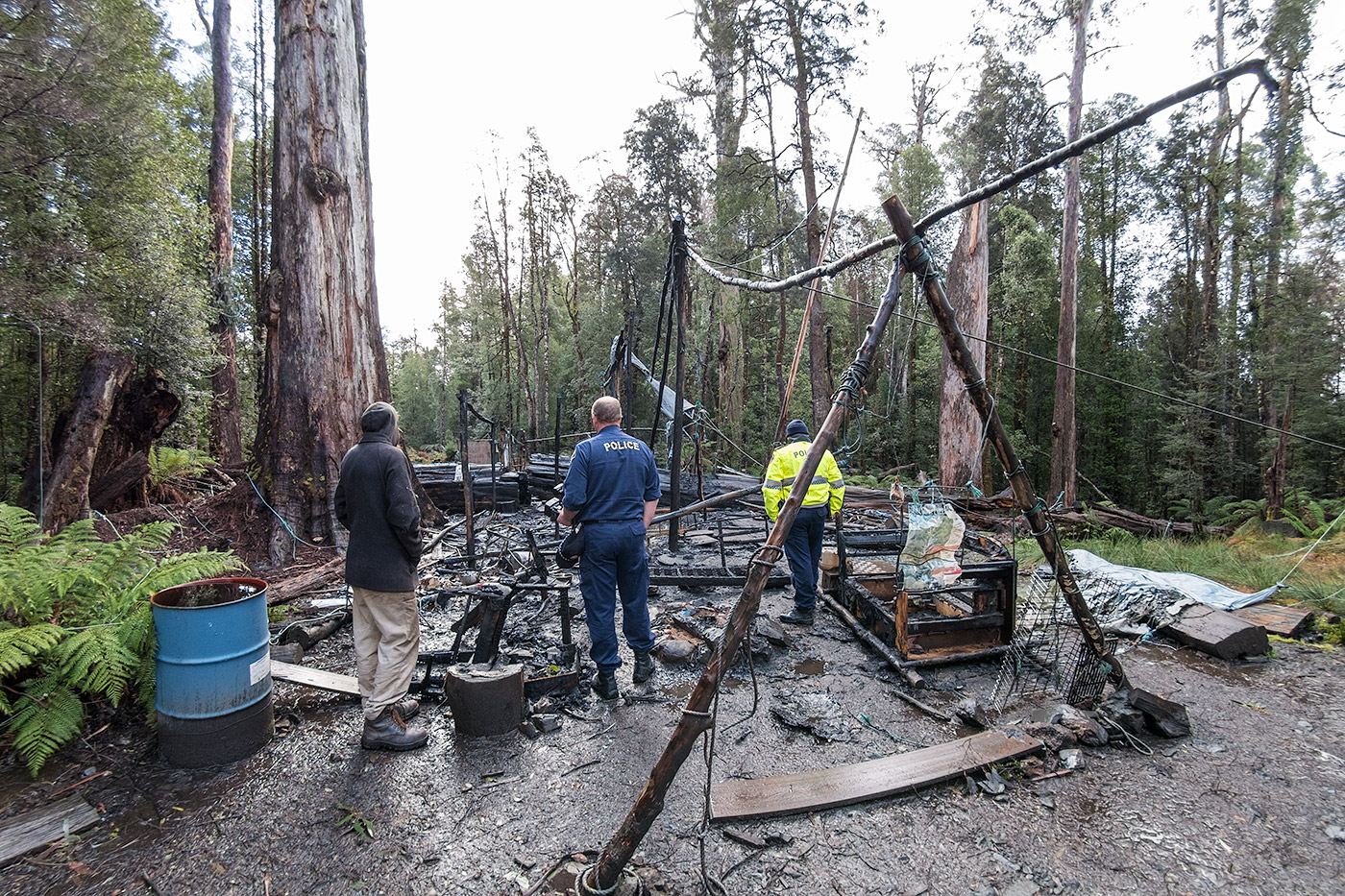 Tasmanian Police inspect arson at Camp Flozza
Upper Florentine Valley, South West Tasmania
Thursday 20120913
(click image to enlarge)
Tasmanian Police inspect arson at Camp Flozza
Upper Florentine Valley, South West Tasmania
Thursday 20120913
(click image to enlarge)
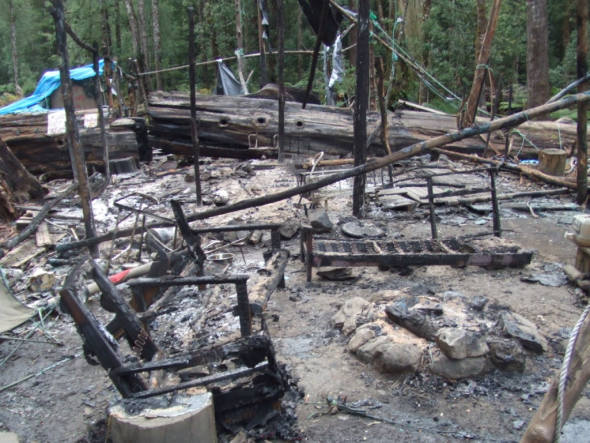 Arson Attack on Camp Flozza Sunday night 9th September 2012
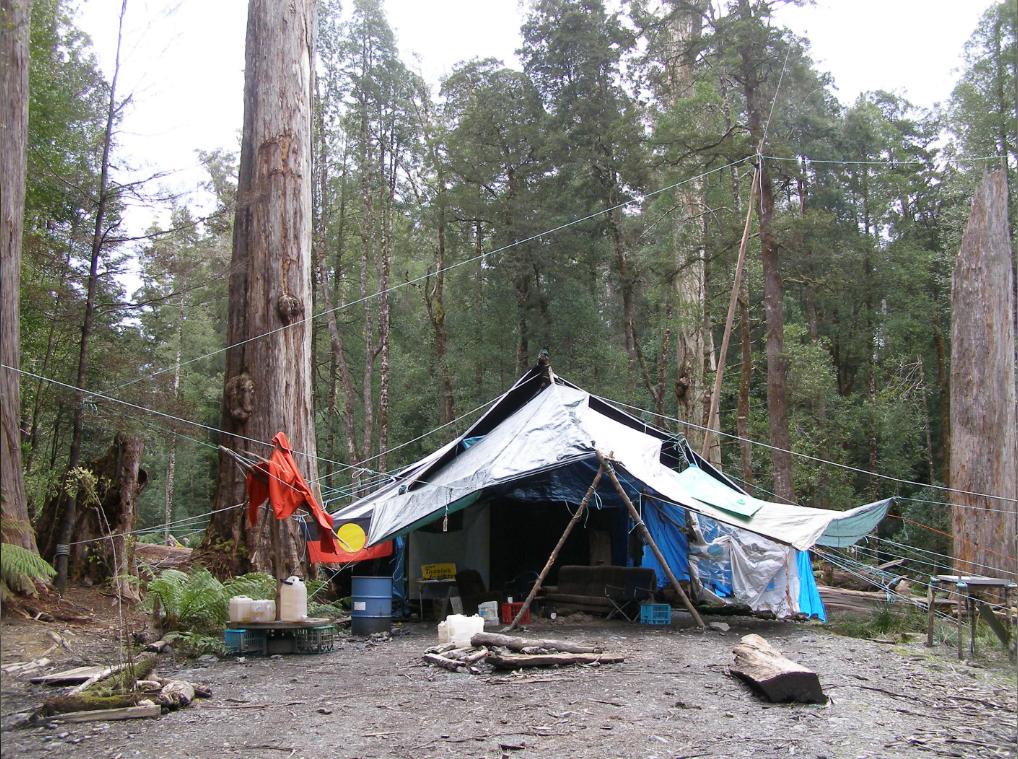 Camp Flozza front as it was before the arson attack
[Photo by editor, 20110928, free in public domain, click image to enlarge]
Camp Flozza front as it was before the arson attack
[Photo by editor, 20110928, free in public domain, click image to enlarge]
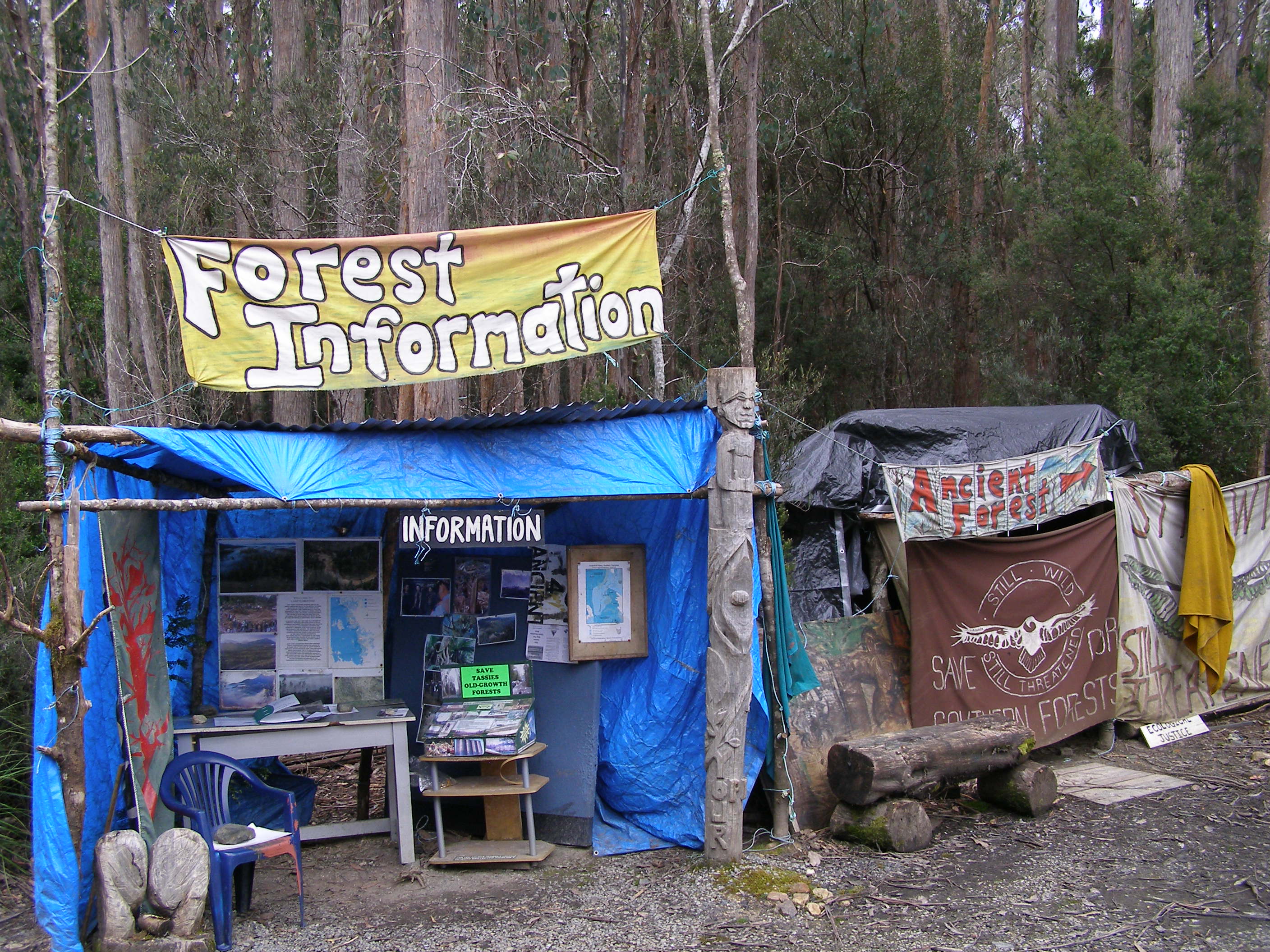 Camp Flozza Information Centre, as it was before the arson attack
[Photo by editor, 20110928, free in public domain, click image to enlarge]
Camp Flozza Information Centre, as it was before the arson attack
[Photo by editor, 20110928, free in public domain, click image to enlarge]
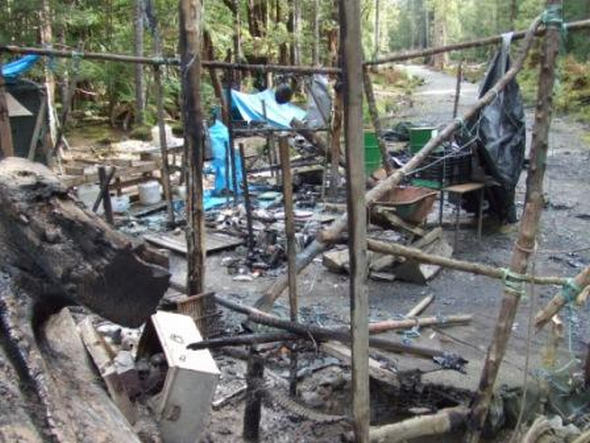 Camp Flozza arson attack on the Kitchen
[Photo courtesy of Still Wild Still Threatened 201209]
Camp Flozza arson attack on the Kitchen
[Photo courtesy of Still Wild Still Threatened 201209]
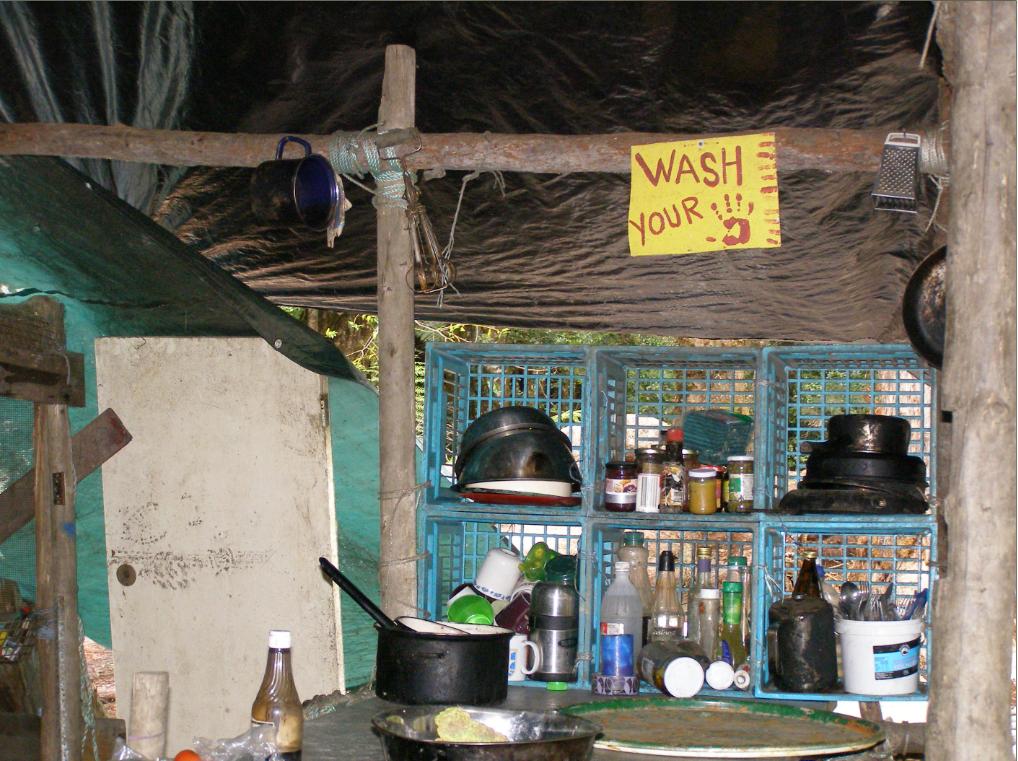 Camp Flozza Kitchen as it was before the arson attack
[Photo by editor, 20110928, free in public domain, click image to enlarge]
Camp Flozza Kitchen as it was before the arson attack
[Photo by editor, 20110928, free in public domain, click image to enlarge]
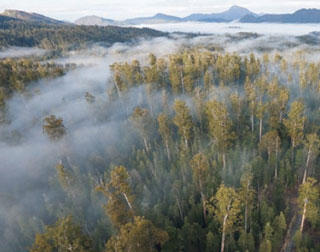 The Upper Florentine Valley
[Photo by Rob Blakers – visit his ^website]
The Upper Florentine Valley
[Photo by Rob Blakers – visit his ^website]

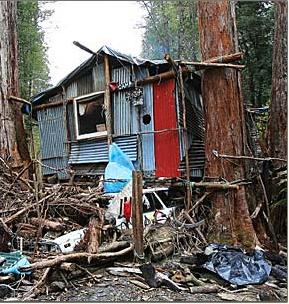 It was not supposed to be flash
because a permanent structure would have invited legal demolition
It was not supposed to be flash
because a permanent structure would have invited legal demolition
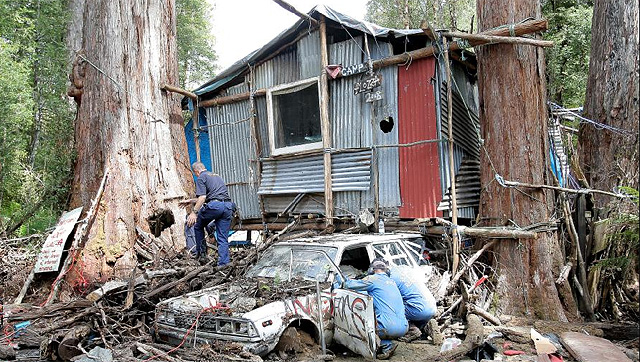 Police move in on protesters at Camp Flozza in the Florentine Valley
[Photo by Niki Davis-Jones]
Police move in on protesters at Camp Flozza in the Florentine Valley
[Photo by Niki Davis-Jones]

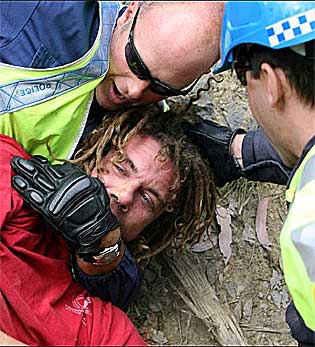 Tasmania Police act as cheap bouncers for the loggers
 Camp Flozza – Government Bust in January 2009
[Source: The Mercury – Photo by Raoul Kochanowski]
Camp Flozza – Government Bust in January 2009
[Source: The Mercury – Photo by Raoul Kochanowski]

 Who attacked Les Walkden’s machinery at Butlers Gorge?
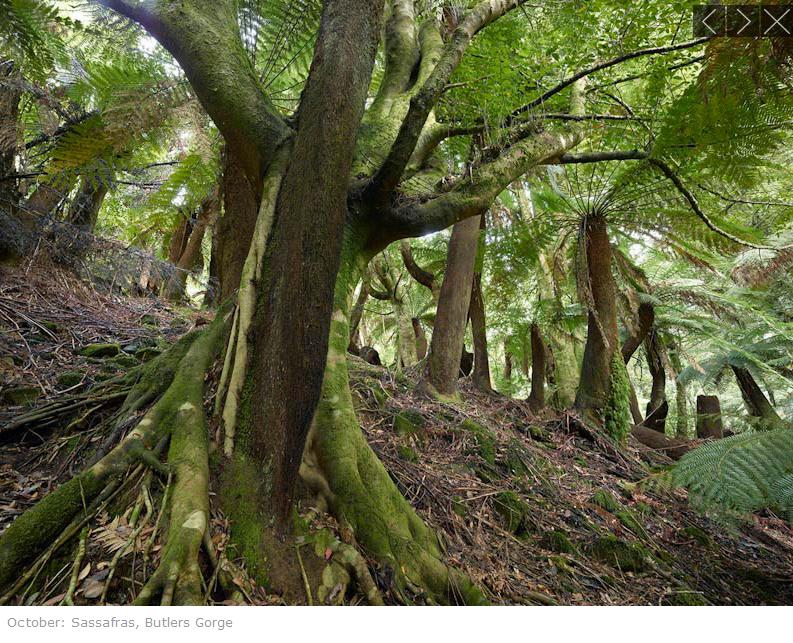 [Source: ^http://www.robblakers.com/products/large-calendar]
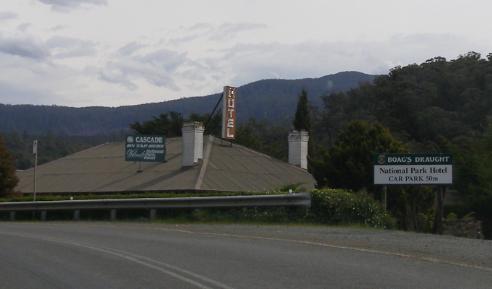 .
.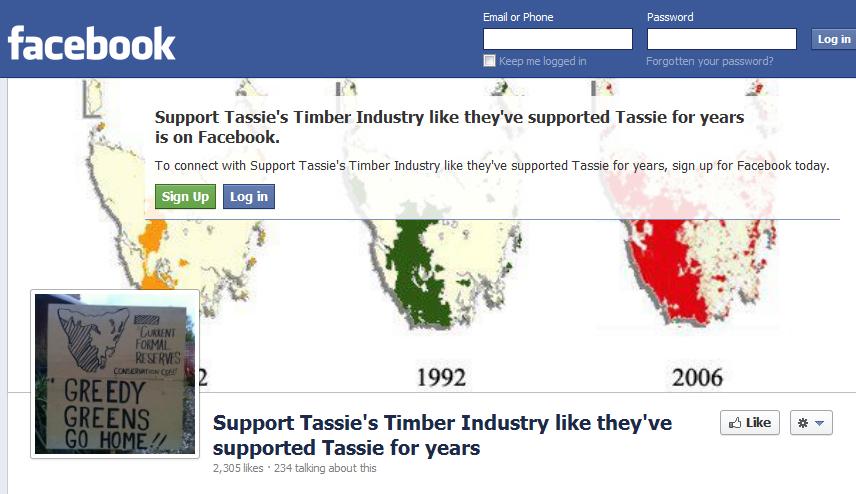
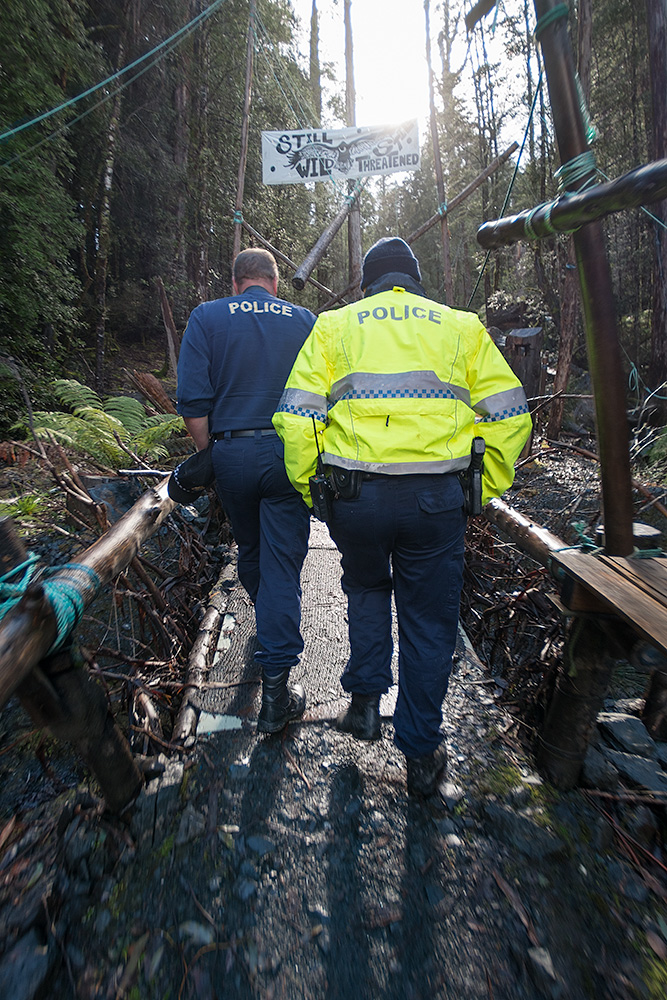 Police inspect the arson attack, Thursday 20120913
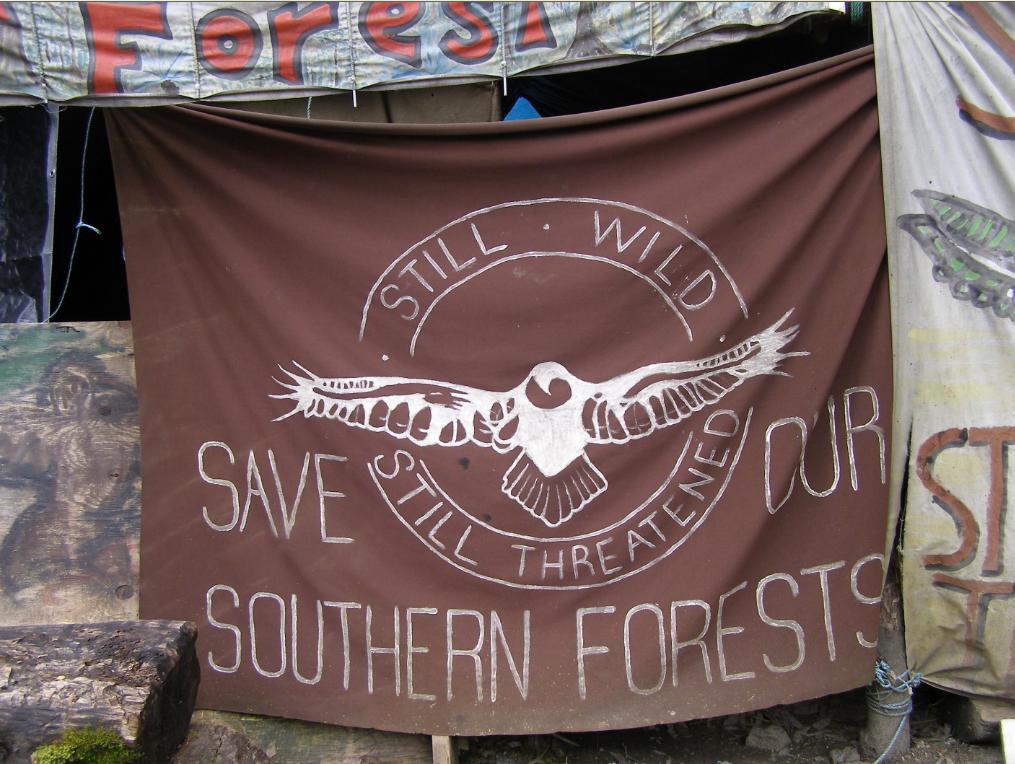 Still Wild Still Threatened – visit their ^website
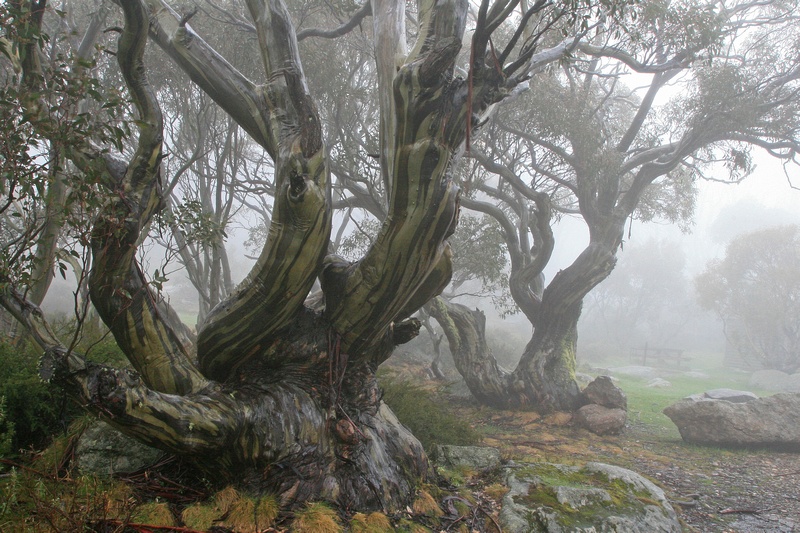
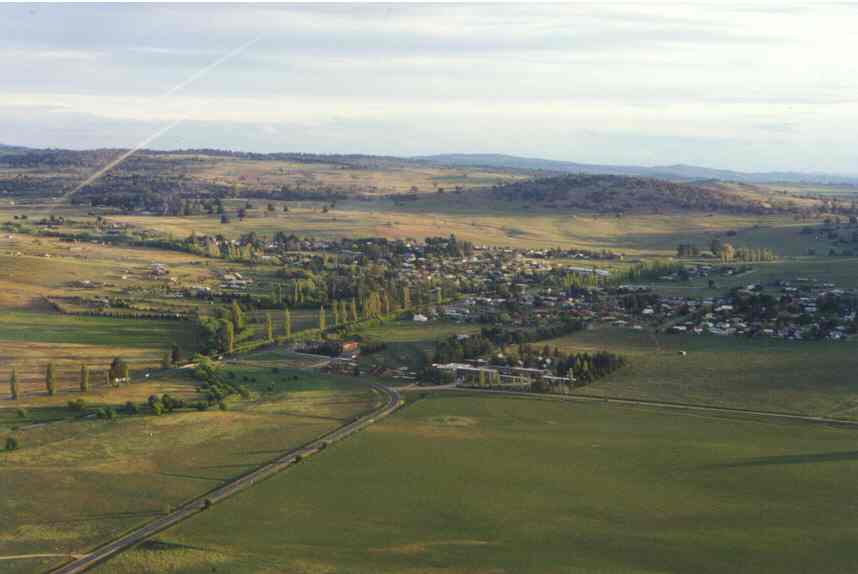

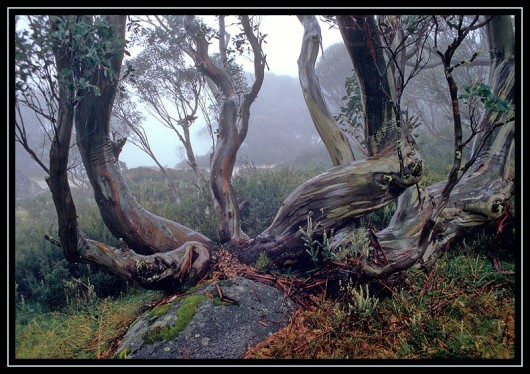 Snow Gums do not enjoy being burned to death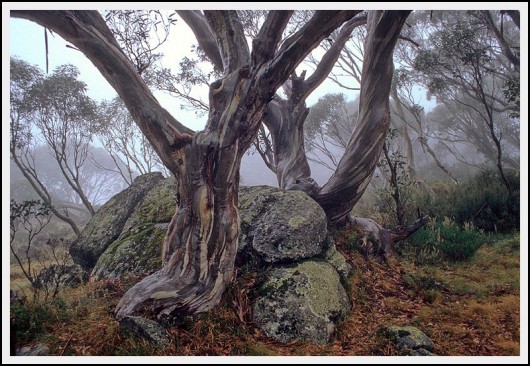
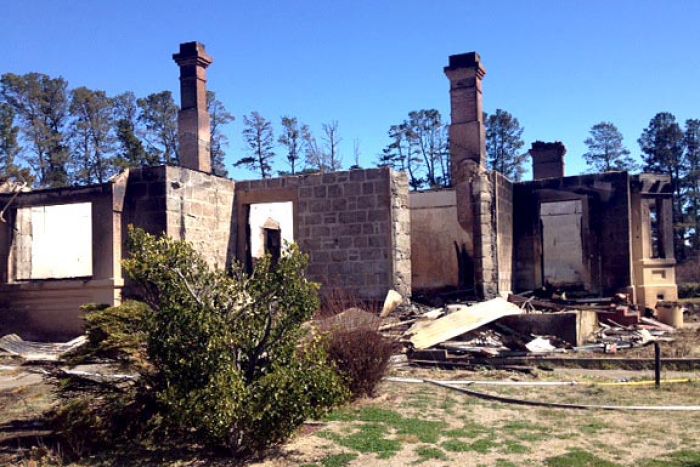
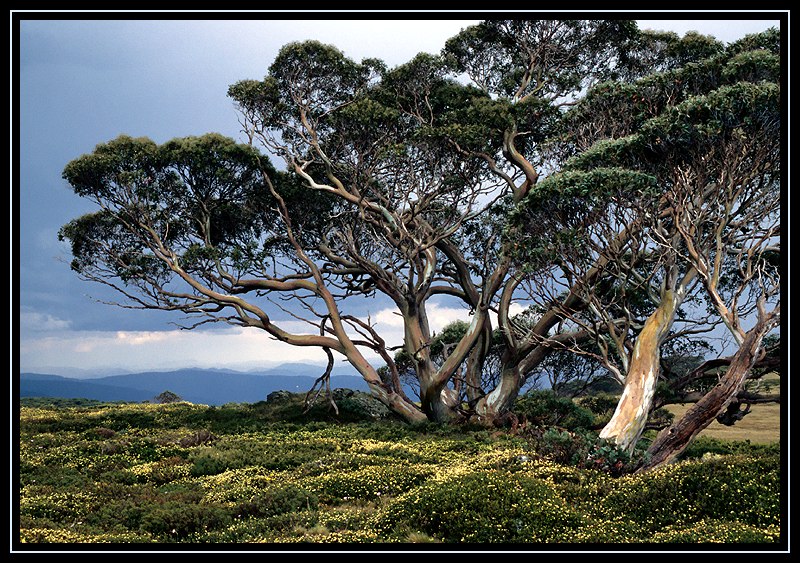
 Captain Michael D. Miller in 1968
[New life amongst so much death]
Captain Michael D. Miller in 1968
[New life amongst so much death]

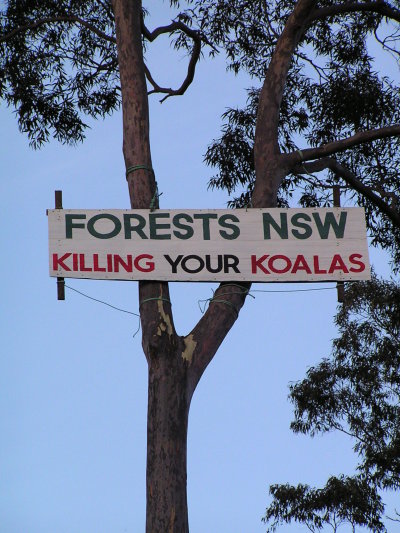
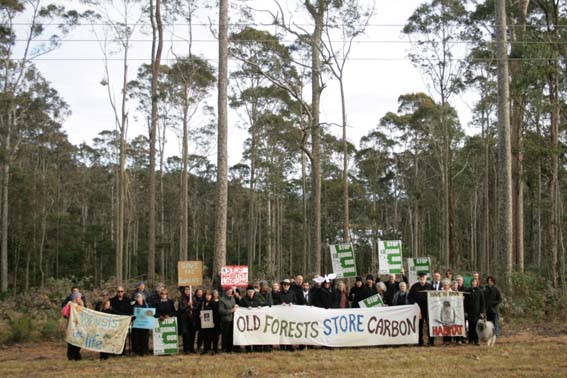
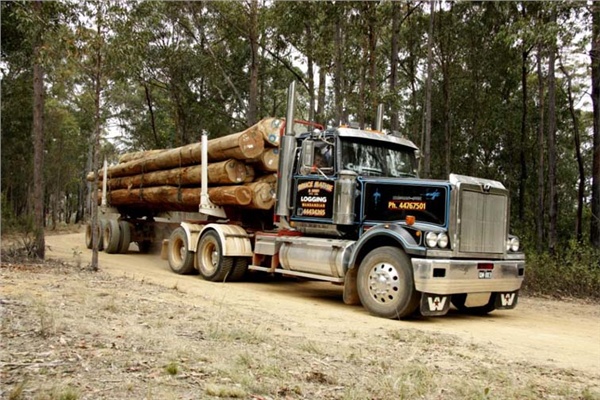



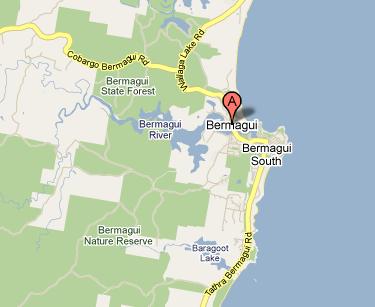

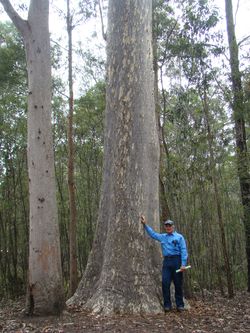

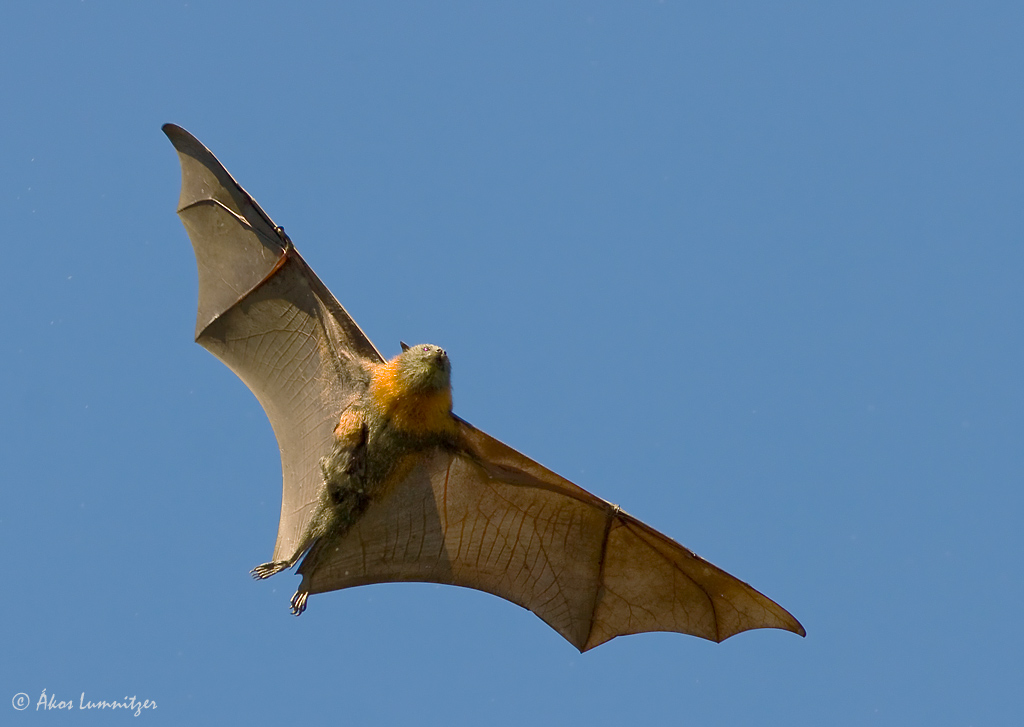
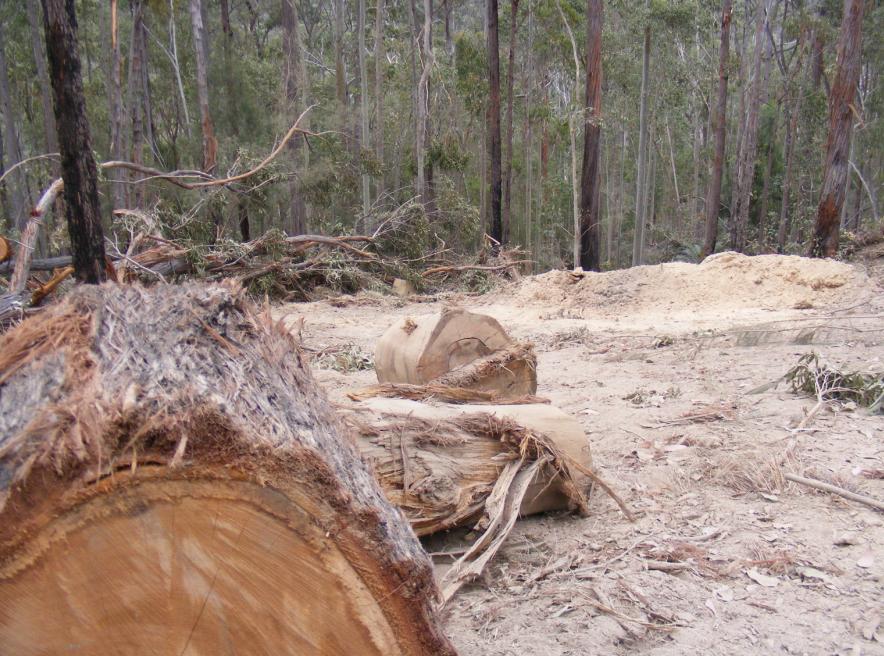
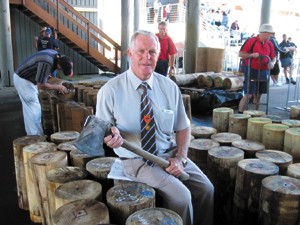
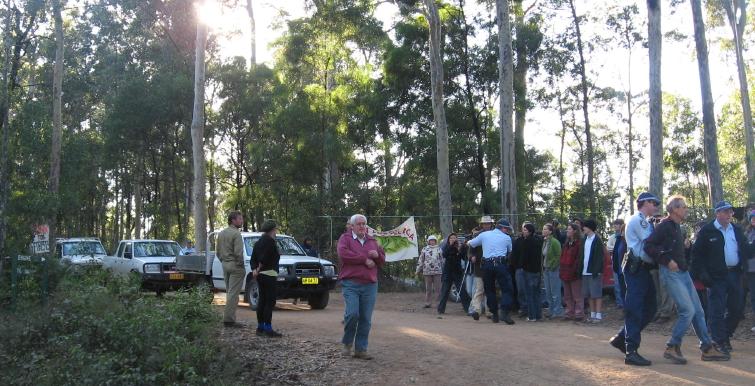
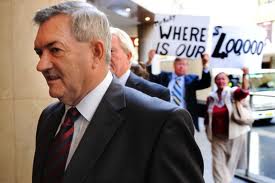

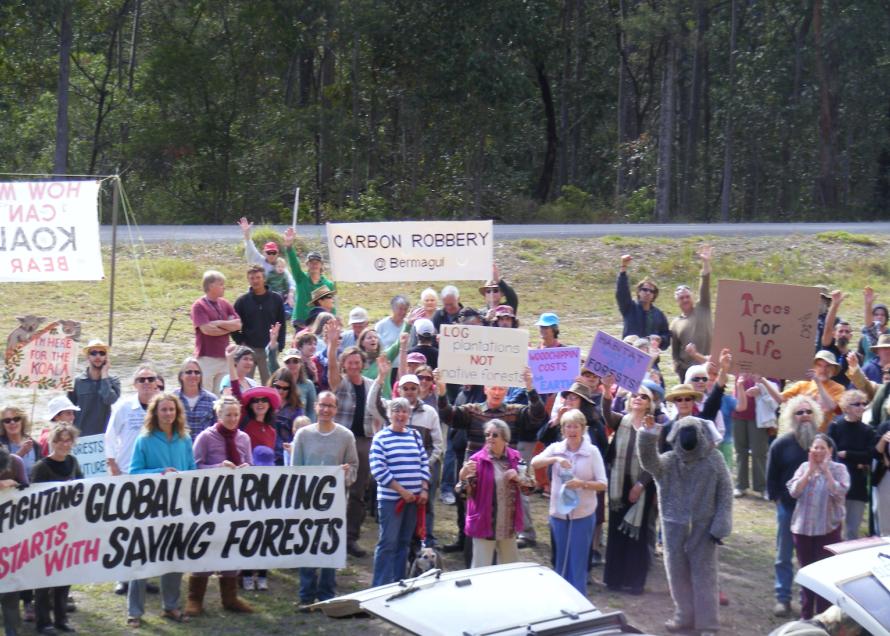

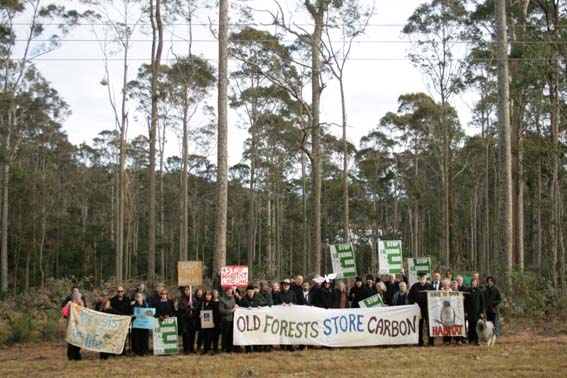





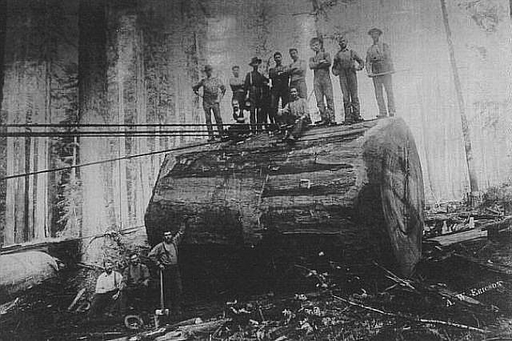
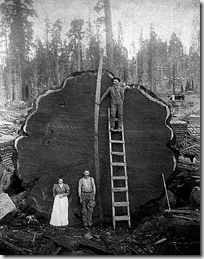

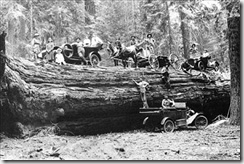
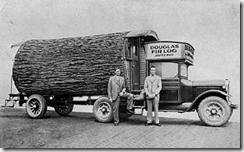
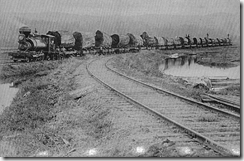
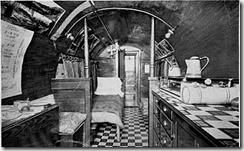


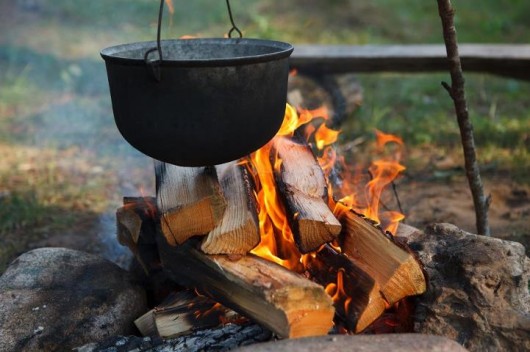 The classic image of the ‘Camp Fire’

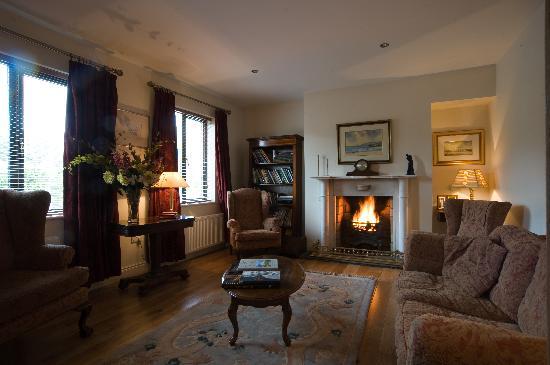
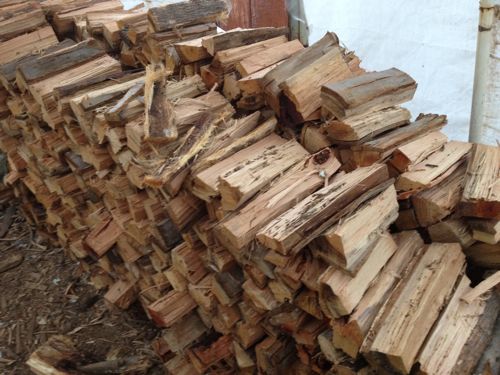
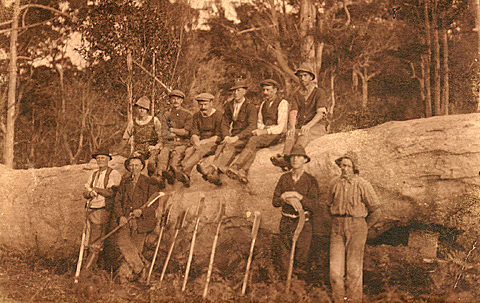
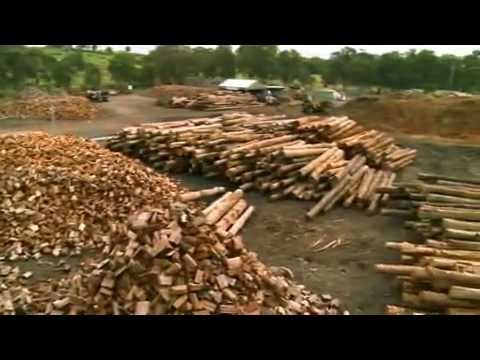
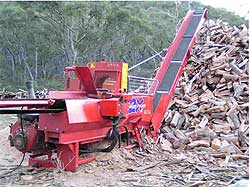
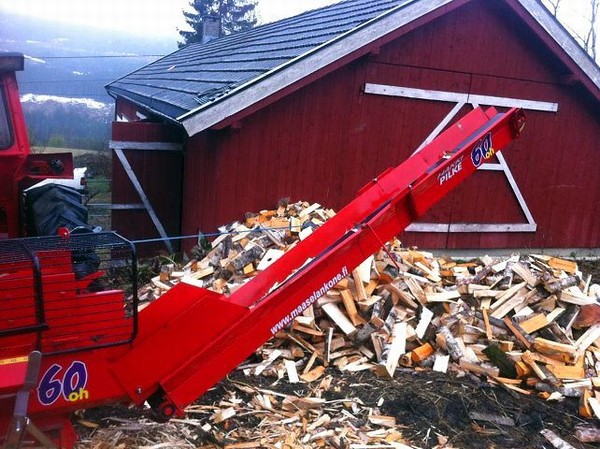
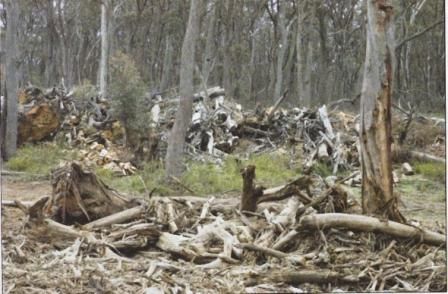
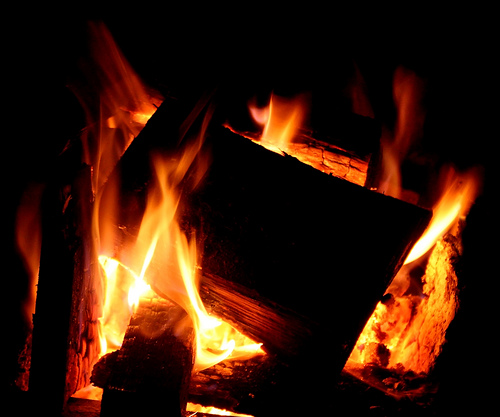
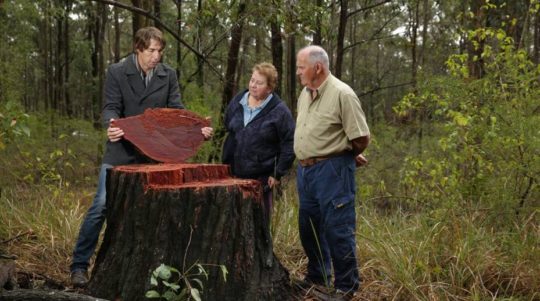
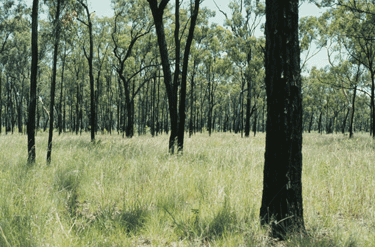
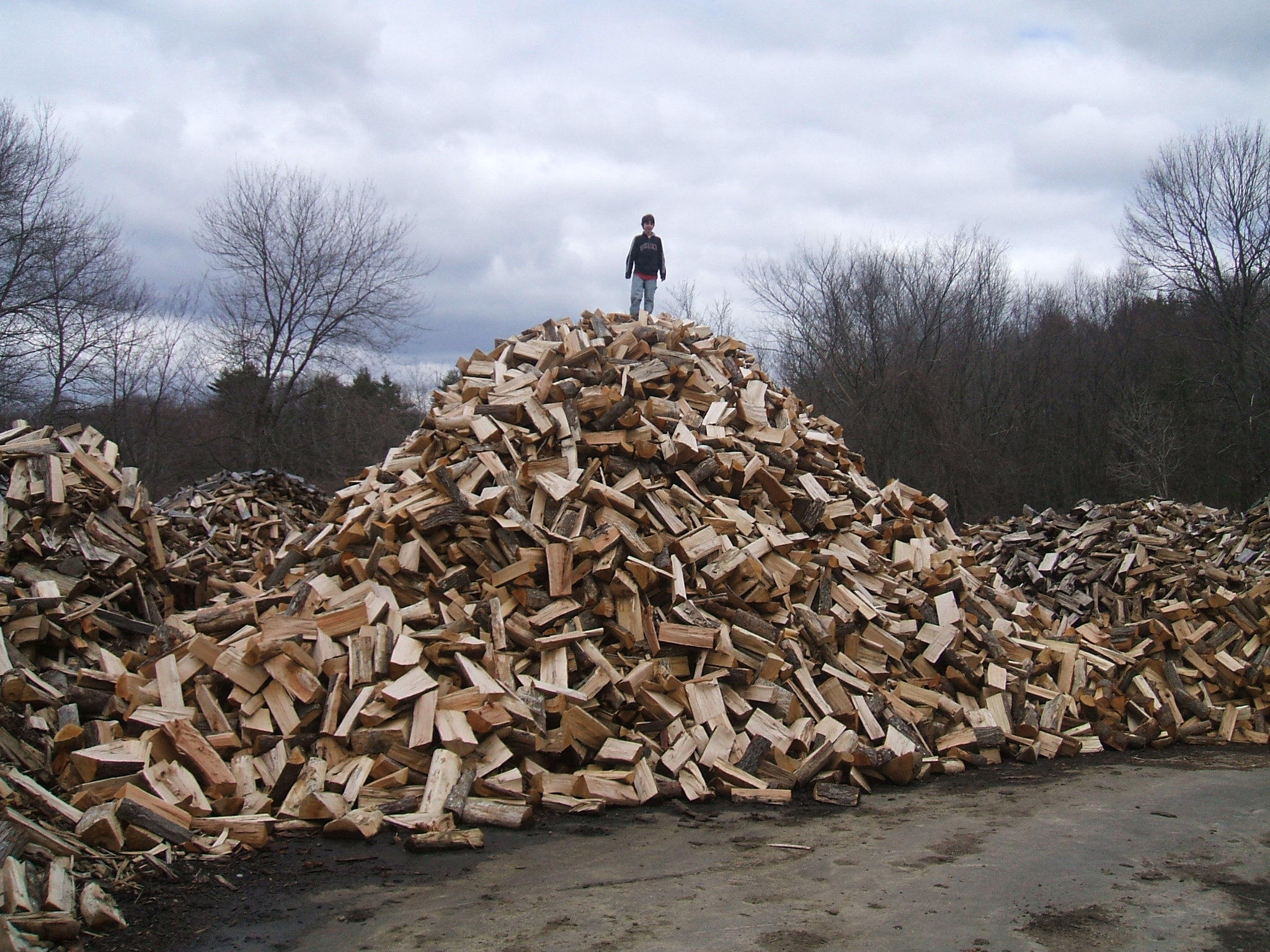
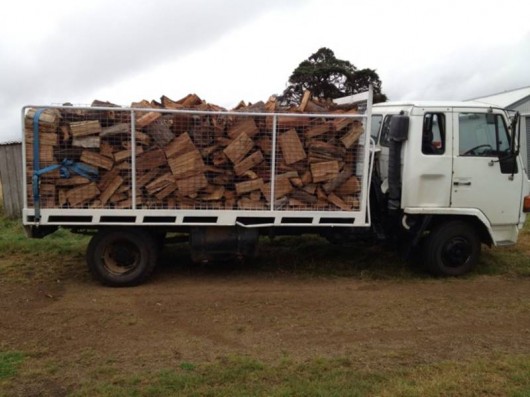
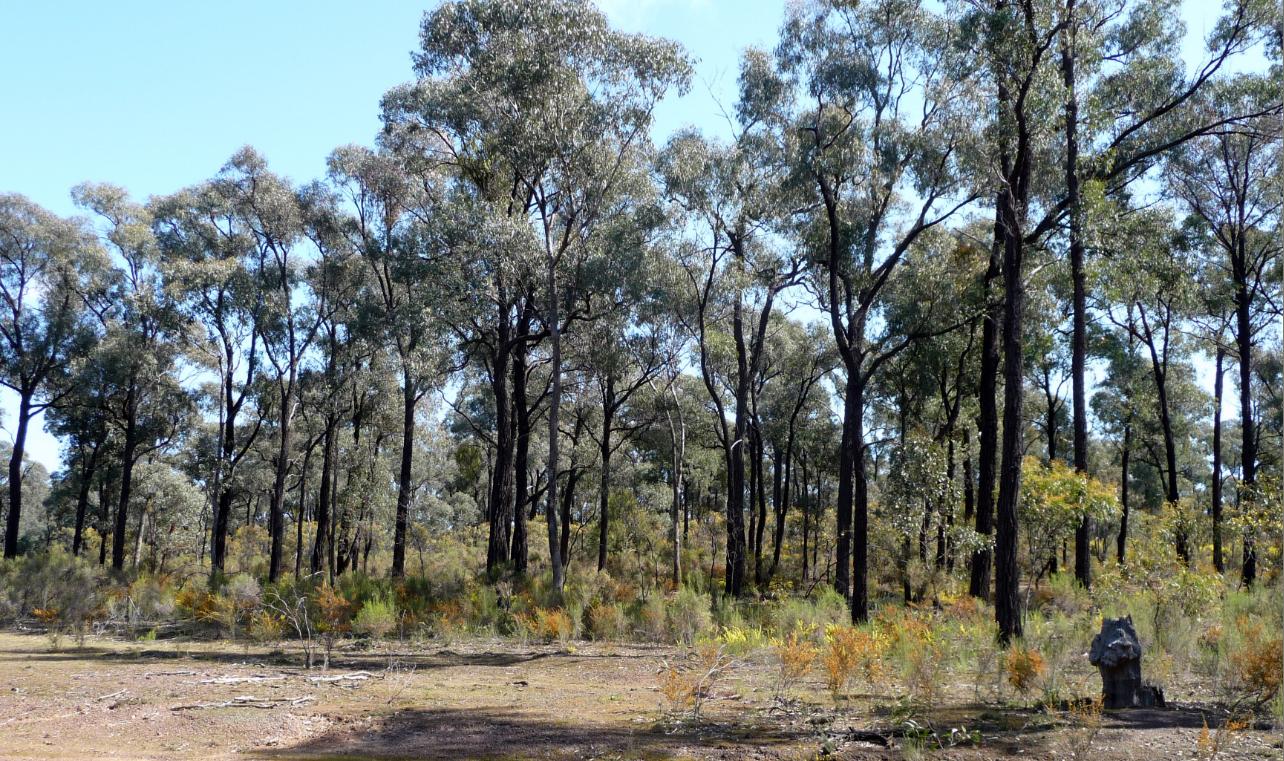
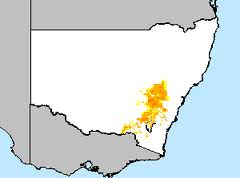
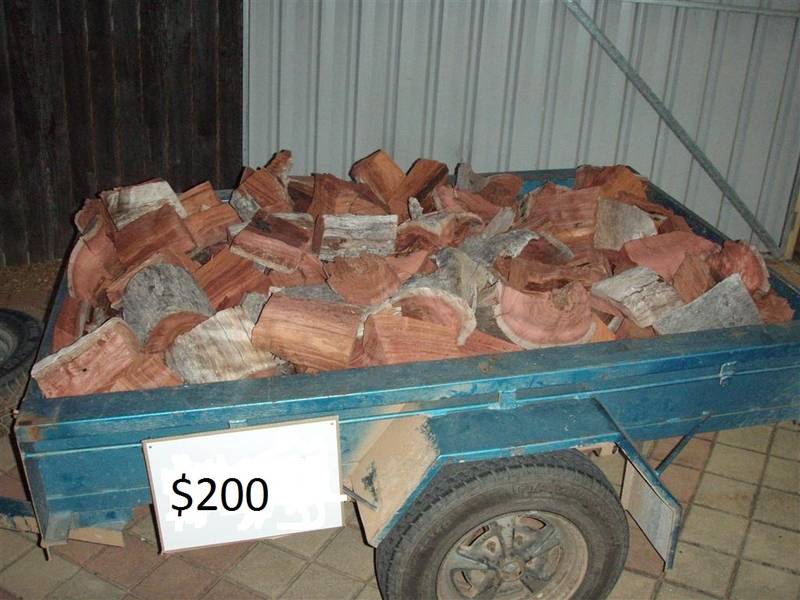
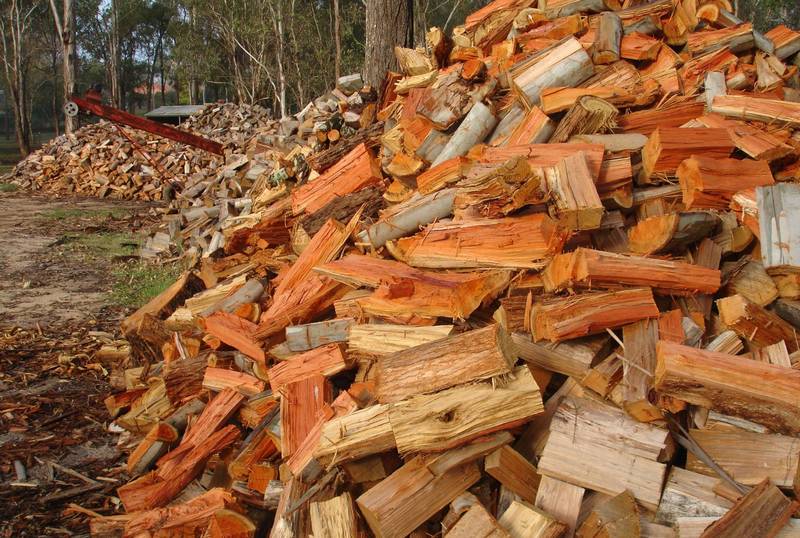




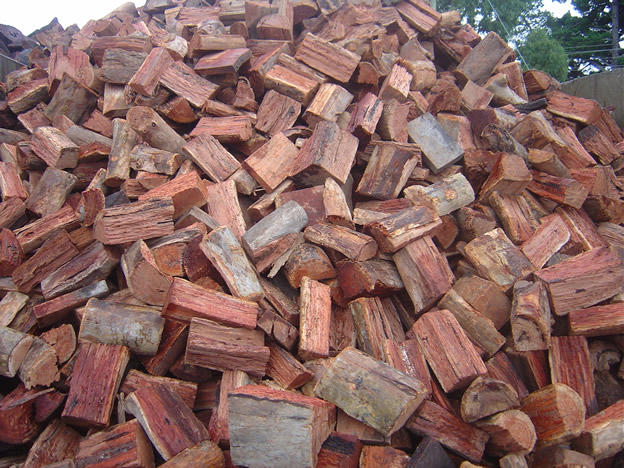

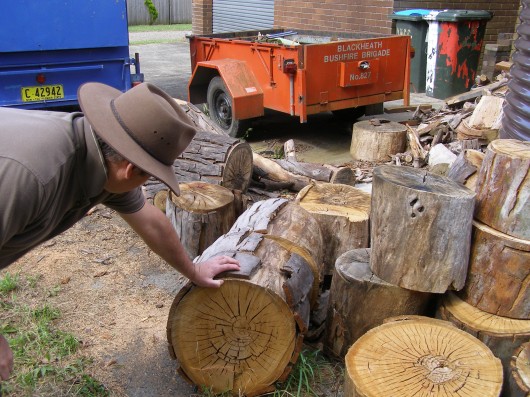

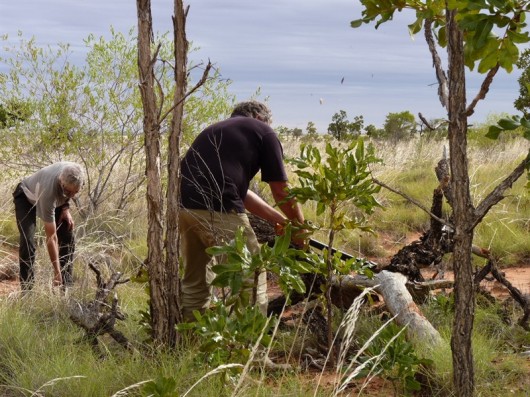
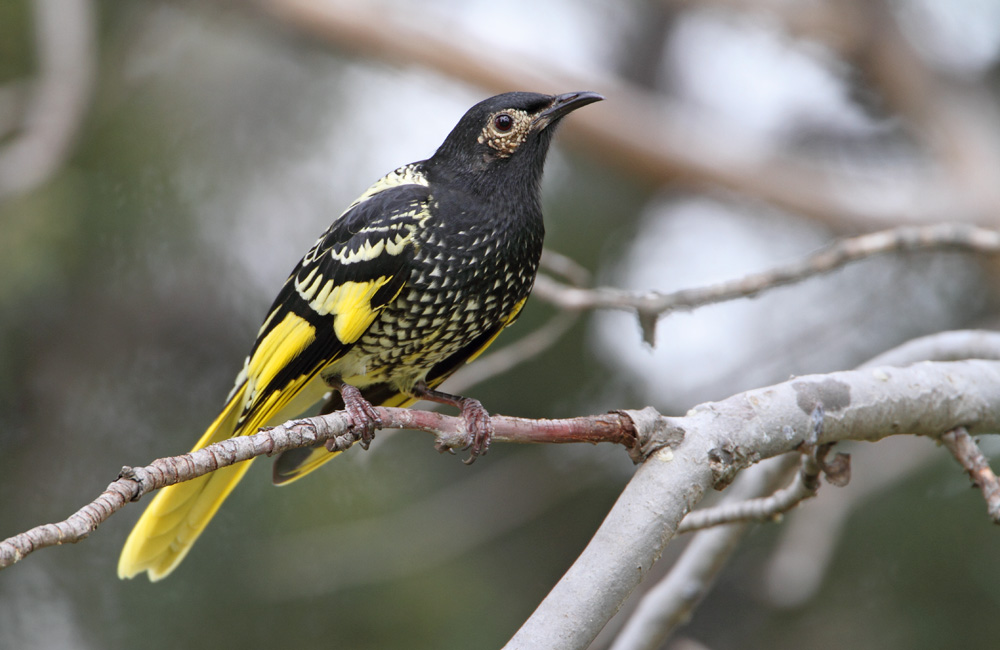
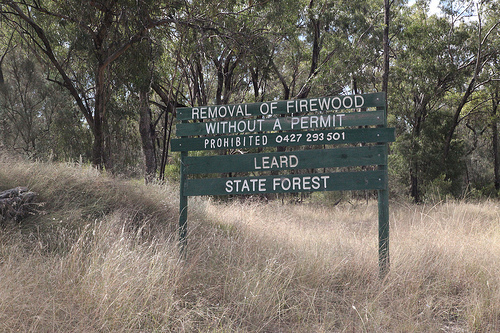


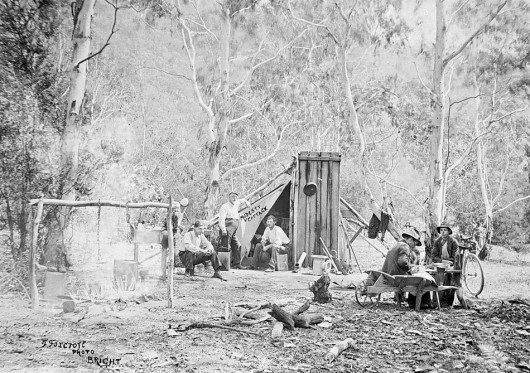
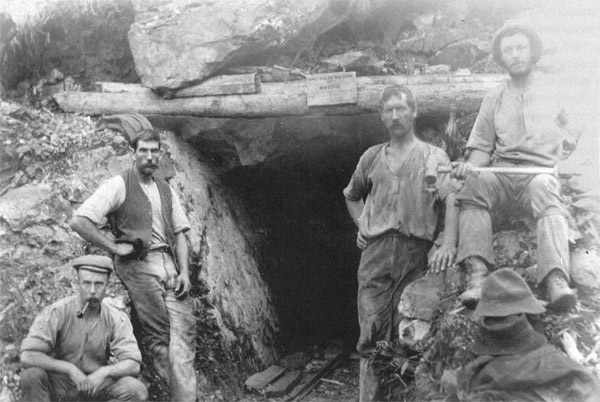

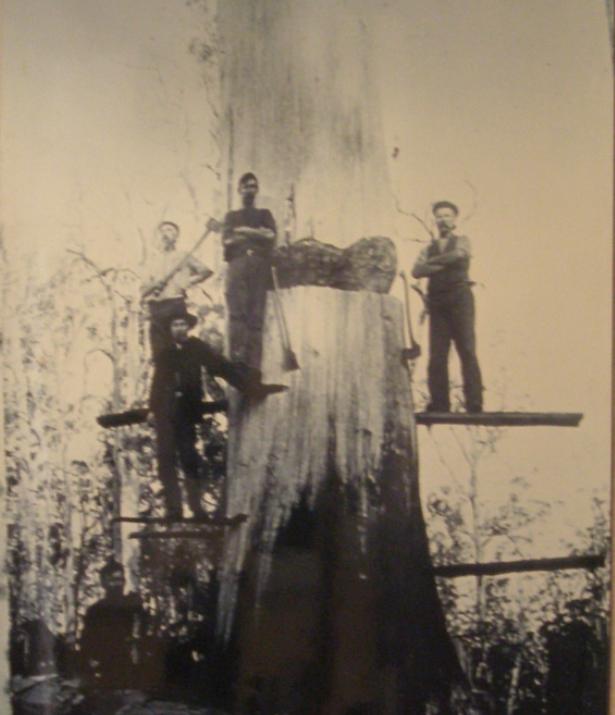
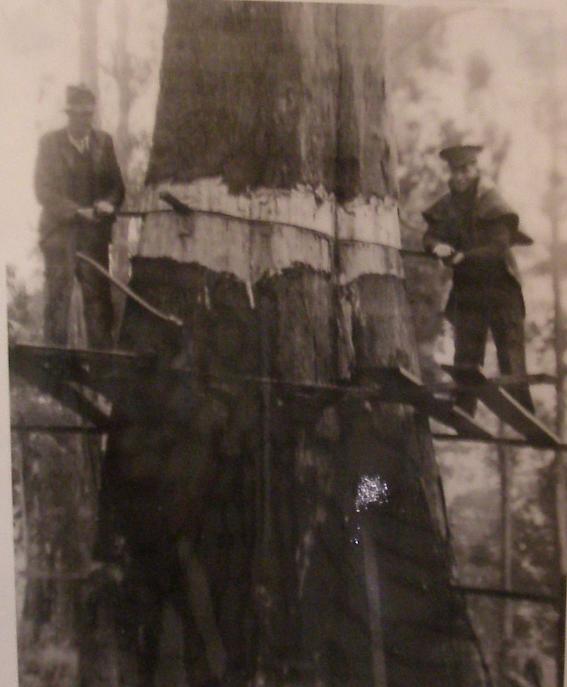

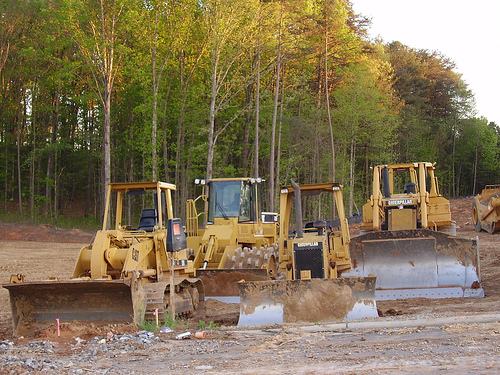

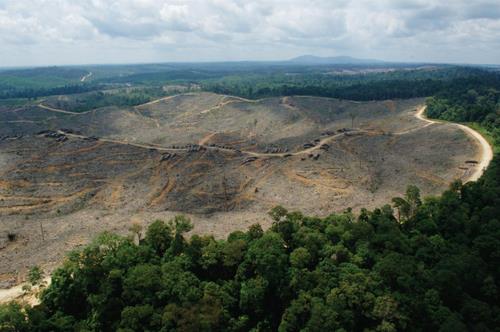


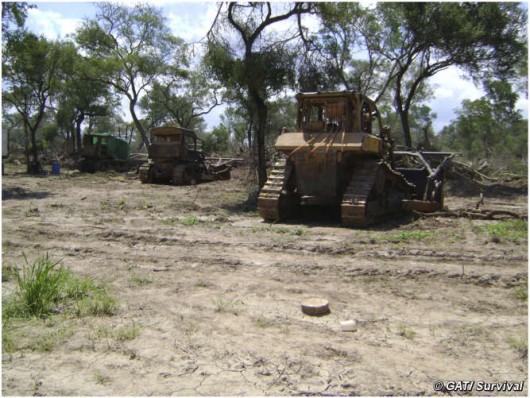 Dozers having a wee afternoon doze
.
Dozers having a wee afternoon doze
.