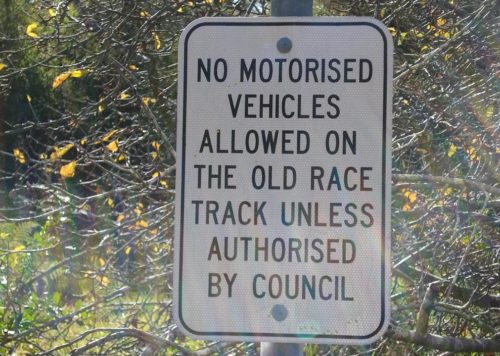
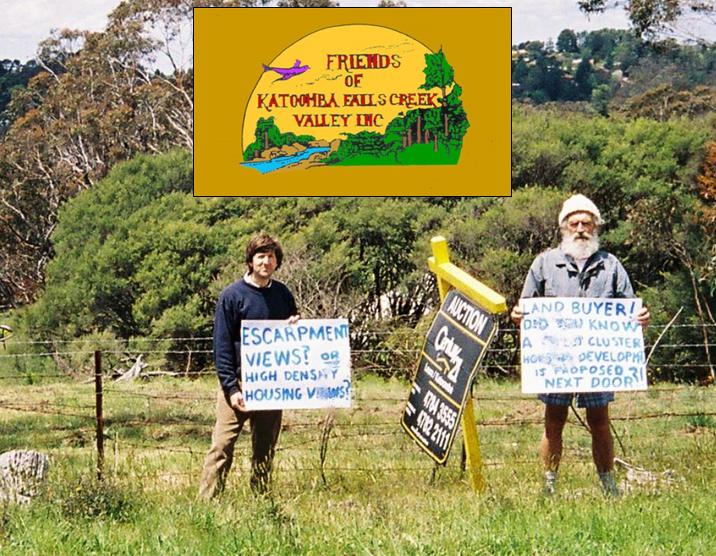
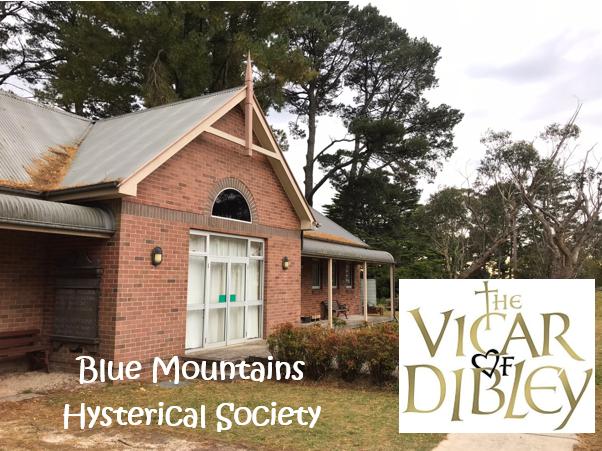
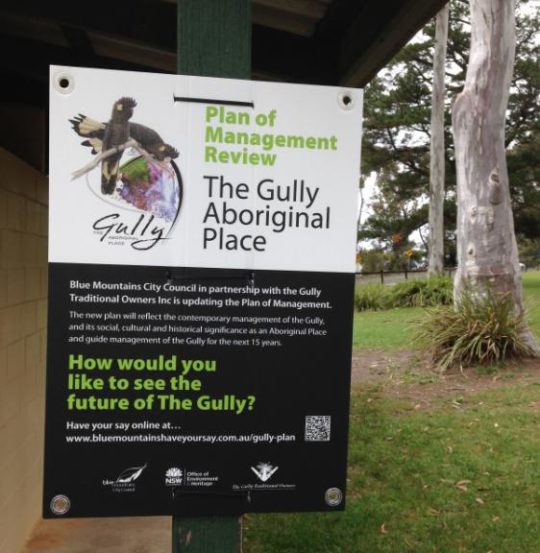
While exercising through Katoomba Falls Creek Valley in the Blue Mountains last October, this author came across this sign.
How would one like to see the future of The Gully..for the next 15 years? Have my say? Internet submissions only?
Local government authority Blue Mountains Council in about 2007 renamed this natural valley west of Katoomba ‘The Gully’ because that is the affectionate name it had from the previous residents of mostly regional Aboriginal heritage extending back many thousands of years.
Since 2001, this author has lived 50 metres from the native bushland valley we know as Katoomba Falls Creek Valley, or Sydney Water’s defined Upper Kedumba River, or as Amusement Parlour tourism businessman Horrace Gates’ Catalina Lake, or as Blue Mountains Council’s sponsored car racing enthusiasts (1957-2003) as Catalina Park, or as NSW National Parks call the valley, ‘The Gully’.
Such mixed interpretation of this watercouse valley reflects its history as complex, contested and ongoing culturally problematic. Yet since 1957, here we are in cultural denial in 2019.
In 2002, The Valley was unilaterally declared ‘The Gully’ by Blue Mountains Council – typically again no community consultation.
Ok, so what’s in a name?
‘The Gully – Aboriginal Place’ under the National Parks and Wildlife Act 1974 by the New South Wales government was justified out of recognition of the Valley’s significance holding pre-contact Aboriginal sites, post-contact settlements, its ongoing occupation by Aboriginal People until forced eviction in 1957 (to make way for bulldozing a racetrack), and by lobbying and evidence from local Aboriginal Gundungurra elder, the late Aunty Dawn Colless.
All good. But ‘Aboriginal Place’ only? Says who? By which Blue Mountains heritage Aboriginal people/clan? The Gundungurra Traditional Owners Inc. only and so denying the rights of all other Gully residents and descendants – Aboriginal (eg: Dharug or otherwise) or of non-Aborigines of The Gully?
This is at best Council prejudice and community divide and conquer; at worst Council prejudice against non-Gundungurra, non-Aborigines.
Aboriginal Place declaration while historially valid, was democratically invalid. The NSW Government declaration of such was selective and secret behind Blue Mountains Council’s closed doors – a frequent setting to get things done without pesky outspoken community awareness.
Trust? Blue Mountains Council?
From 1988 to 2016 local residents action group The Friends of Katoomba Falls Creek Valley Inc., under the inspiring and consultative leadership of the late Neil Stuart BSc., had championed a local community cause to save the Valley. From grassroots local resident motives, the Friends aims were from the outset consistently to value and respect the remnant environmental values of the Valley, to lobby to remove the invasive racetrack, to restore the Valley’s ecological integrity throughout and to foster a local community management structure to underpin the Valley’s environmental protection and rehabilition.
Basically The Friends set in train a local community management structure to care for country – the Valley as we called it. But Blue Mountains Council hegemony, situated less than 200 metres east of the Valley, corporate-culturally frustrated and ostracised The Friends out of having any say, participantion or rights in caring for the Valley.
As the awareness of the tragic local Aboriginal past was realised, The Friends respected, engaged and partnered with former residents of The Gully and their descendants (irrespective of racial background). The goal was to properly protect, rehabilitate and manage this acknowledged special place collaboratively. It was a noble mission and undertaking. The activism occupied core Friends members half an adult lifetime, proudly.
Yours truly joined The Friends’ fight to save the valley for just five years from 2002 to 2007 until other commitments took family priority.
The nearly three decades of local resident activism well exceeds the capacity of this article. Suffice to say that the resultant ‘Upper Kedumba River Valley Plans of Management Revised 2004’ achieved not just a desired and just termination to the car racing invasion, but signalled an opportunity and hope for local community partnering with Blue Mountains Council and NSW Parks Service to manage and restore the valley as a valued natural place.
So there is this new signage put up by Blue Mountains Council. After fourteen years, Blue Mountains Council deems The Gully Plan of Management is up for renewal, whatever that means.
Blue Mountains Council claims “This Plan of Management (POM) is fourteen years old and does not reflect the contemporary cultural values and perspectives held by the Gully community.” But what are these?
The local Katoomba community in and around The Gully continues to be shut out of secret talks with the parks service and only select Aborigines – The Gundungurra Traditional Owners Inc. – the legal custodians of most of the valley as appointed by closed shop local council with absolute control over the valley since 2007.
Council entered into an exclusive co-management agreement with The Gully’s traditional owners in 2008, recognising the owners’ deep connection to the place. What about the Dharug? What about other community members who share a deep conservation interest in preserving and rehabilitating the Valley’s ecological values?
Council claims: “Funding from the Office of Environment and Heritage, NSW Heritage Grants – Aboriginal Heritage Projects has been made available to review and up the Plan of Management for the Gully.” But what are these?
“Engagement and consultation with former Gully residents, their descendants and other stakeholders”. Who’s a stakeholder? Blue Mountains Council? The NSW Parks Service? This is not made clear. What about the local community, former members of The Friends of Katoomba Falls Creek Valley Inc. who volunteered years of their lives to save and protect the Gully/Valley from all sorts of harm and development threats?
Council instructs: “The Plan of Management review is being undertaken by Blue Mountains City Council in cooperation with the Gully Traditional Owners Inc.”
Why exclusively this one group of limited Aboriginal representation? Convenience? Simplicity? Becuase the planned outcome has already been decided? What about council consulting with Aboriginal Dharug residents actually born in the Valley/Gully? What about consulting with the immediate local community irrespective of racial background?
Council’s initiated review was made public from about October 2018.
Spell check?
Council instructs that in preparing its revised Plan of Management, its process will include:
Engagement and consultation with former Gully residents, their descendants and other stakeholders
Assessment of relevant information and knowledge to be included in the revised plan
Assessment and determination of current management issues and future opportunities for the Gully
Updating of the management policies and the action plan for the Gully
Prioritisation and costing of actions and works
Except that the entire process is secret. Is it to play into the hands of a few powerful and influential people? Does local council have something to hide from the local community and non-Gundungurra former residents and their decendants until commercial contracts in confidence are signed and its too late to object?
Council instructs: “The existing Plan of Management does not include the Katoomba Falls sports fields or the Tourist Park. The inclusion of these areas into the Gully plan of Management is a significant change from the existing plan.” What is the reason and motive for including more land into the proposed new plan of management?
Council instructs: “The revised Plan will be developed with reference to the Local Government Act 1993, the Crown Lands Management Act 2016, the National Parks and Wildlife Act 1974, and with the Guideline for Developing Management Plans for declared Aboriginal Places. (OEH 2012) The plan also needs to consider the future implications of the Aboriginal Cultural Heritage Bill 2018, which is earmarked to replace functions of the National Parks and Wildlife Act 1974 in relation to the management and protection of Aboriginal places.”
Council acknowledges: ‘The Gully’ was a place where Gundungurra, Darug and other Aboriginal and non-Aboriginal people lived as a fringe community from around the 1890’s onward over a number of generations.”
Council’s References Used:
Local Government Act 1993 (NSW)
Crown Lands Management Act 2016 (NSW)
National Parks and Wildlife Act 1974 (NSW)
Aboriginal Cultural Heritage Bill 2018 (NSW) – earmarked to replace functions of the National Parks and Wildlife Act 1974 in relation to the management and protection of Aboriginal places.
Guidelines for Developing Management Plans for declared Aboriginal Places, NSW Office of Environment and Heritage (2012)
Council has restricted consultative capture of any local community input to some outsourced website based software outfit in Melbourne: Bang The Table’s ‘Have Your Say’: https://www.bluemountainshaveyoursay.com.au/gully-plan Yet Blue Mountains Council’s website now instructs: “Consultation has concluded”.
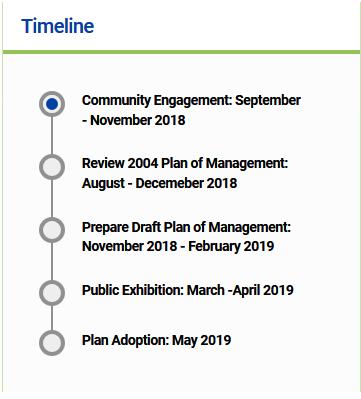
It’s July 2019 and Blue Mountains Council’s webpage on this process shows the following timeline update:
It would suggest that insufficient resources have been allocated or there are delays in the communications process,or insufficient scheduled time was provided for this project from the outset, or a combination of these.
If local stakeholders missed out on finding out what is going on, should they just await Blue Mountains Council’s press release on its pre-decision making?
Chairperson of the Gully Traditional Owner Inc., Aunty Merle Williams, says: “The Gully is a sacred place to the Aboriginal community who came from the Gully. It was a place for everybody, regardless of who you were or where you came from. It is important that The Gully is managed in a culturally appropriate way using both traditional and contemporary practices.”
The mayor, Mark Greenhill, said council had a strong commitment to working closely with traditional owner groups to care for country. “The revised plan of management for The Gully will guide the future use and management of this significant site over the next 10-15 years.”
Ok so regardless of who you were or where you came from, why are non-members of the Gundungurra Traditional Owners Inc. being excluded from consultation in Blue Mountains Council’s review process?
A brief insight into ‘The Friends of Katoomba Falls Creek Valley Inc.’ and their efforts to protect a special place.
“Gain a short, little known insight into a small group of thoughtful, committed citizens who came together led by the late Neil Stuart to become guardians of a very special natural valley in the Upper Blue Mountains. Learn about the wealth of stories, how over 26 years locals cared for the valley’s integrity, how volunteers committed to half a lifetime of unpaid bushcare, made and sold jam at street stalls to raise funds, and fought a council Goliath. Be shocked by the truth of what really happened in 1957 and the lifetime trauma to what was once an harmonious yet socially marginalised community subsisting on Katoomba’s fringe.
This is of living contemporary social history. This is a controversial expose into one group’s community volunteerism, activism, environmentalism and nimbyism and social justice – thousands of hours given up to save ‘Katoomba Falls Creek Valley’, known by some as ‘The Gully’, known by others as ‘Catalina Raceway’.
This is very much an Australian story, a microcosm of Australian history and pre-history – one locally as rich as it is beautiful yet very sad. It has impacted upon dozens of locals, old families and their ancestors. It is a story about respecting the natural, anthropological and community values of one valley. Recent history became complex, protracted and nasty – involving displacement, forced eviction, invasion, desecration, secret deals, politics, animosities, divide-and-conquer manipulation, empty political promises, conflicting interests, threats and designs by influential millions, the various meetings, many plans of development (some silly), token consultation, one of metaphorically trying to herd cats and twenty six years of community emotional snakes and ladders.
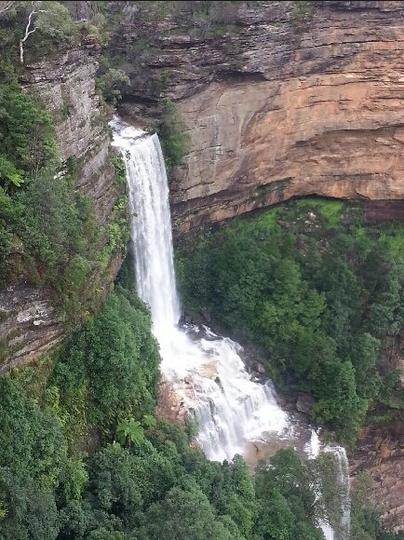
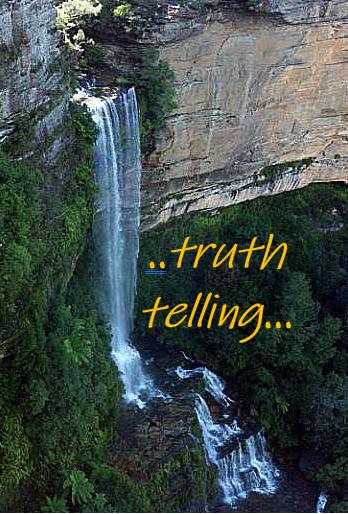
Katoomba Falls
This presentation was delivered by a former member of ‘The Friends’ yesterday at Hobby Reach, Wentworth Falls, the home of the Blue Mountains Historical Society Inc.
For those who attended and requested the reading of the poem…
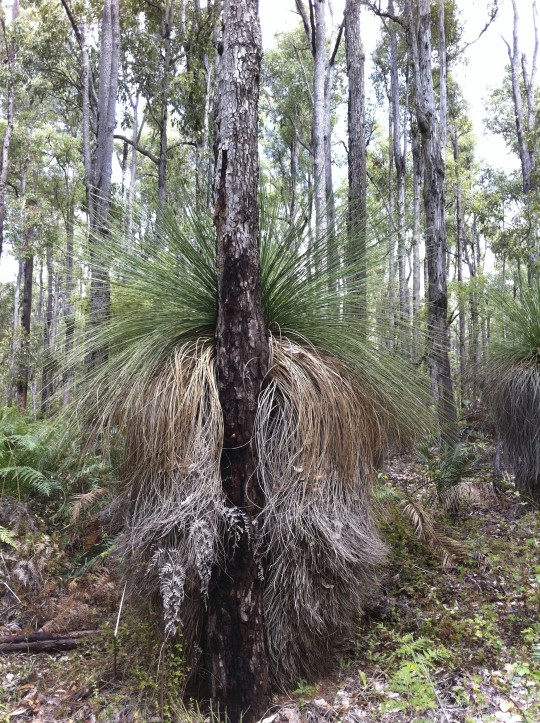
Ancient Balga, grass tree, xanthorroea in Dwellingup forest, South West Western Australia. Photo by Jenreflect, 20121104.
If we can respectfully wise up and change from calling ‘Ayres Rock’ after an English mining magnate turned politician to ‘Ayers Rock/Uluru’ in 1993, then to ‘Uluru/Ayers Rock’ in 2002, then we can just drop Henry Ayres from the Rock’s association altogether. Henry Ayres was a 19th Century copper mining robber baron who devastated the landscape of Burra in South Australia. A statue in Adelaide near parliament may be appropriate.
Likewise, if we can respectfully wisen up and change from calling this grass tree a ‘black boy’ to calling it a ‘xanthorroea’ then we can call it its traditional name ‘balga’.
“We never catch marron when the creek didn’t run, or the river didn’t run. Always catch marron when the water runs. That’s our culture. You gotta give ’em a chance to breed.
And if you got anything with eggs on ’em, you threw ’em back….We never had nets, yeah, we coulda made nets but we didn’t believe that, you know, you rape the country. So you gotta leave some for the breeding.”
– Partick Hume, 2008, oral history , Kaartdijin Noongar, South West Aboriginal Land and Sea Council, Western Australia.
‘Aboriginal people, not environmentalists, are our best bet for protecting the planet’
<<… Using DNA to track the movement of people in the past, scientists suggest our species evolved some 150,000 years ago on the plains of Africa. That was our habitat, but unlike most other animals, we were creative and used our brains to find ways to exploit our surroundings. We were far less impressive in numbers, size, speed, strength or sensory abilities than many others sharing our territory, but it was our brains that compensated.
Over time, our numbers increased and we moved in search of more and new resources (and probably to check out the Neanderthals with whom we crossbred before they went extinct). When we moved into new territories, we were an alien creature, just like the introduced ones that trouble us today.
George Monbiot of The Guardian makes the point that we can trace the movement of our species by a wave of extinction of the big, slow-moving, dim-witted creatures that we could outwit with even the simplest of implements like clubs, pits, and spears.
Our brains were our great evolutionary advantage, conferring massive memory, curiosity, inventiveness and observational powers.
I can’t emphasize that enough.
Our brains gave us a huge advantage and it did something I think is unique — it created a concept of a future, which meant we realized we could affect that future by our actions in the present. By applying our acquired knowledge and insights, we could deliberately choose a path to avoid danger or trouble, and to exploit opportunities. I believe foresight was a huge evolutionary advantage for our species. And that’s what is so tragic today when we have all the amplified foresight of scientists and supercomputers, which have been warning us for decades that we are heading down a dangerous path, but now we allow politics and economics to override this predictive power.
No doubt after we evolved, we quickly eliminated or reduced the numbers of animals and plants for which we found uses. We had no instinctive behavioural traits to restrict or guide our actions — we learned by the consequences of what we did. And all the mistakes that we made and successes that we celebrated were important lessons in the body of accumulating knowledge of a people in a territory.
That was very powerful and critical to understanding our evolutionary success – it was painstakingly acquired experience that became a part of the culture. We are an invasive species all around the world, and I find it amazing that our brains enabled us to move into vastly different ecosystems ranging from steaming jungles to deserts, mountains to arctic tundra, and to flourish on the basis of the painful accumulation of knowledge through trial and error, mistakes, etc.
So it was the people who stayed in place as others moved on, who had to learn to live within their means, or they died. That is what I believe is the basis of indigenous knowledge that has built up over millennia and that will never be duplicated by science because it is acquired from a profoundly different basis (I wrote about the differences in a book, Wisdom of the Elders). The wave of exploration hundreds of years ago brought a very different world view to new lands — North and South America, Africa, Australia — based on a search for opportunity, resources, wealth. There was no respect for flora and fauna except as potential for riches, and certainly no respect for the indigenous people and their cultures. Of course, by outlawing language and culture of indigenous peoples, dominant colonizers attempt to stamp out the cultures which are such impediments to exploitation of the land. Tom King’s book, The Inconvenient Indian, argues very persuasively that policies are to “get those Indians off the land”.
“There was no respect for flora and fauna except as potential for riches, and certainly no respect for the indigenous people and their cultures.”
I think of my grandparents as part of the wave of exploration of the past centuries. They arrived in Canada from Japan between 1902 and 1904. When they came on a harrowing steamship trip, there were no telephones to Japan, no TV, radio, cellphones or computers. They never learned English. They came on a one-way trip to Canada for the promise of opportunity. Their children, my parents, grew up like all the other Japanese-Canadian kids at that time, with no grandparents and no elders. In other words, they had no roots in Japan or Canada. To them, land was opportunity. Work hard, fish, log, farm, mine, use the land to make money. And I believe that is the dominant ethic today and totally at odds with indigenous perspectives.
Remember when battles were fought over drilling in Hecate Strait, supertankers down the coast from Alaska, the dam at Site C, drilling for oil in ANWR, the dam to be built at Altamire in Brazil?
I was involved in small and big ways in these battles, which we thought we won 30 to 35 years ago. But as you know, they are back on the agenda today. So our victories were illusions because we didn’t change the perspective through which we saw the issues.
“Our victories were illusions because we didn’t change the perspective through which we saw the issues.”
That’s what I say environmentalists have failed to do, to use the battles to get people to change their perspectives, and that’s why I have chosen to work with First Nations because in most cases, they are fighting through the value lenses of their culture.
The challenge is to gain a perspective on our place in nature. That’s why I have made one last push to get a ball rolling on the initiative to enshrine the right to a healthy environment in our constitution. It’s a big goal, but in discussing the very idea, we have to ask, what do we mean by a healthy environment. We immediately come to the realization that the most important factor that every human being needs to live and flourish is a breath of air, a drink of water, food and the energy from photosynthesis. Without those elements, we die.
So our healthy future depends on protecting those fundamental needs, which amazingly enough, are cleansed, replenished and created by the web of life itself. So long as we continue to let the economy and political priorities shape the discussion, we will fail in our efforts to find a sustainable future. I have been trying to tell business folk and politicians that, in the battle over the Northern Gateway, what First Nations are trying to tell us is that their opposition is because there are things more important than money.>>
Things more important than Money
Noongar people are the Aboriginal traditional owners of the south-west of Western Australia and have been for over 45,000 years.
<<Noongar boodja (country) extends from north of Jurien Bay, inland to north of Moora and down to the southern coast between Bremer Bay and east of Esperance. It is defined by 14 different areas with varied geography and 14 dialectal groups.
We have a deep knowledge and respect for our country, which has been passed down by our Elders.
Noongar people have a profound physical and spiritual connection to country. It relates to our beliefs and customs regarding creation, life and death, and spirits of the earth. Spiritual connection to country guides the way we understand, navigate and use the land. It also influences our cultural practices.
For thousands of years Noongar people have resided on and had cultural connection to the booja – land. Everything in our vast landscape has meaning and purpose. We speak our own language and have our own lore and customs. The lore is characterised by a strong spiritual connection to country. This means caring for the natural environment and for places of significance. Our lore relates to ceremonies, and to rituals for hunting and gathering when food is abundant and in season. Connection to booja is passed on through our stories, art, song and dance. Noongar people not only survived European colonisation but we thrived as family groups and sought to assert our rights to our booja. For Noongar people, the south-west of Western Australia is ngulla booja – our country.
Noongar lore and custom guide the ways in which we define our country and our rights to it. Lore influences how we connect with and care for the land. As Noongar people we have a duty to speak for our country, to acknowledge its value to our communities and to observe lore that governs who may or may not ‘speak for country’.
Noongar people have always used our knowledge of the six seasons in the south-west of Western Australia to hunt, fish, and gather only the most ripe and abundant food sources for our needs.
The rituals and ceremonies performed by Noongar people over many thousands of years reflect our sustainable use of the environment and reinforce our connection to country. These rituals include domestic and social customs that observe Noongar lore governing the use of land and resources. An important and significant part of Noongar culture is the teaching of sustainable environmental practices, handed down by our Elders.
Being Noongar is to be part of a family and community, which determines our relationship to country. The relationship to country empowers our identity as a Noongar person.>>
“We come here to this place here, Minningup, the Collie River, to share the story of this area or what makes it so special. It is the resting place of the Ngangungudditj walgu, the hairy faced snake. Baalap ngany noyt is our spirit and this is where he rests. You have big bearded full moon at night time you can see him, his spirit there, his beard resting in the water. And we come to this place here today to show respect to him plus also to meet our people because when they pass away this is where we come to talk to them. Not to the cemetery where they are buried but here because their spirits are in this water. This is where all our spirits will end up here. Karla koorliny we call it. Coming home. Ngany kurt, ngany karla – our heart, our home. This, our Beeliargu, is the river people. So that’s why we always come to this Minningup. It’s very important.
This is the important part of the river, of the whole Collie River and the Preston River and the Brunswick River, because he created all them rivers and all the waters but here is the most important because this is where he rest. So whenever we come back now – my cousin died the other day so we come back here, bring his spirit home because this is where he belong here. They will bury him with his mother and you sing out to him. Ngany moort koorliny. Ngany waanginy, dadjinin waanginy kaartdijin djurip. And we come and look there and talk to you old fellow. Your people have come back. Ngany waangkaniny. I talk now. Balap kaartdijin. Listen, listen. Palanni waangkaniny. Ngany moort koorliny noonook. Ngany moort wanjanin. Your people come to rest with you now. Listen old fellow, listen for ’em, bring them home. Karla koorliny. Bring them home and then you sing to them. (Singing in language) And then chuck sand to land in the water so he can smell you. That’s our rules. Beeliargu moort. That’s the river people. That’s why this place important.”
Me, me, me anthropocentrism is so robber baron babyboomer. Learn about ecocentrism. Caring For Country starts with respect and perhaps respecting that 45,000 years of connection has shown that there are six seasons in Noongar – Birak, Bunuru, Djeran, Makuru, Djilba, Kambarang. (Ed.)
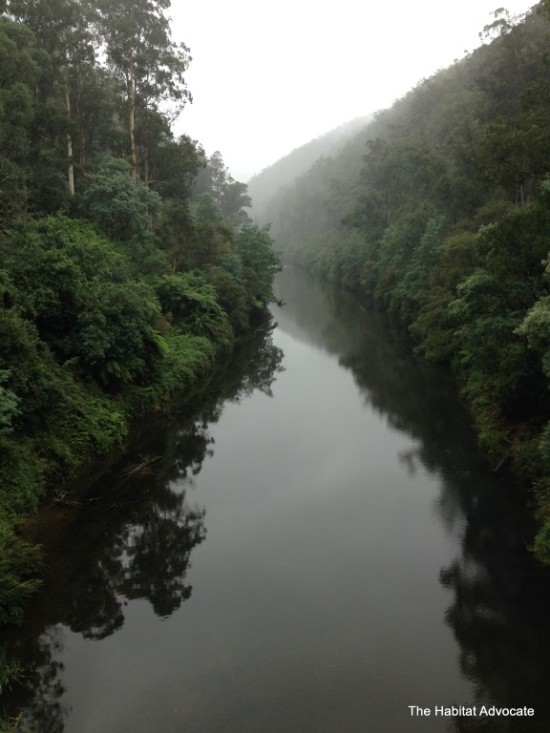
Thomson River from Walhalla Road Bridge, Victoria, Australia.
(Photo by editor 20170322 looking north)
.
Walhalla Mizzle
.
It’s been raining gentle all night
In crisp mountain air
I sit on my dawn porch
I gaze through the grey mizzle
To the thick treed ridge
Covering the steep spur
.
Across Stringers Creek
The creek babbles far below
Feeding the mighty Thomson
Low heavy cloud envelops
Robins, larks, parrots, finches, firetails, martins or currawongs
Greet the daylight
.
Walhalla’s quiet now
As it should be up here
In the wild ranges steep
The 50 year army of gold reefers
Has long been and gone
Shafters taken their bargains and fortunes
Till the ground lay barren, the hills denuded, the Thomson damned
The batteries, the boilers and engines and waterwheel are gone
The miners, drinkers, shop keepers, the shafted
The school kids who played in bad soil
.
The long tunnels lie empty and dank
The dark shafts abandoned to victim ghosts
The slag heap lies as a mountainous waste
Still laced with arsenic
Stringers choked by discarded tailings
They all went back up over Little Joe, the twenty-five hundred
Back to their big smoke
.
The rail remains as industrious memory
To the heyday of industry and hardship
Fifteen tons of gold taken
On the marble column count
Dividends paid out
Two fires, a flood, disease and arsenic
Dozens perished for the gold fever
As the slain to Odin
.
The mizzle is pure till it touches the ground
Surrounding forest seems back
The creek tries flow as it did, crystal but dead
A heritage cancer cluster
A new breed of shafters.
.
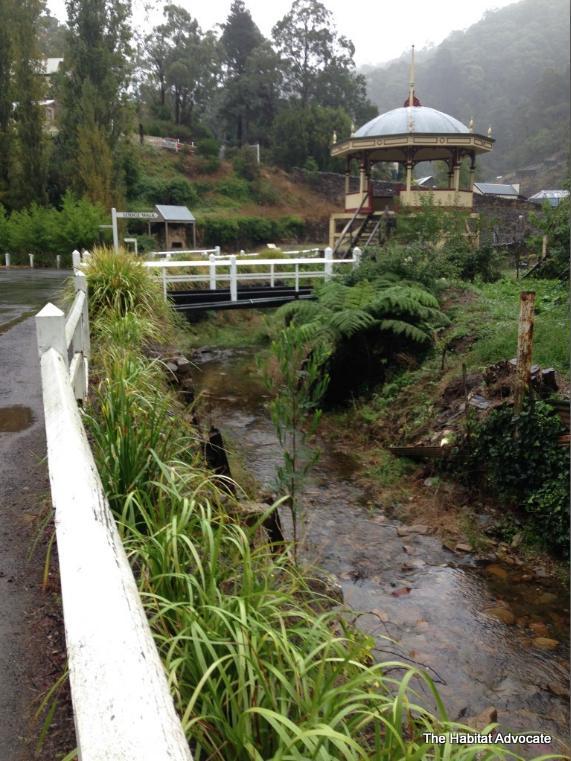
Stringers Creek, from Main Road, Walhalla
(Photo by editor 20170322)
.
Further Reading:
.
[1] “Elevated arsenic values can be detected up to 15 metres from the mineralised zone” – in ‘Nature of gold mineralisation in the Walhalla Goldfield, eastern Victoria, Australia‘, 2007, by Megan A. Hough, Laurent Ailleres (School of Geosciences, Monash University), Frank P. Bierlein (Centre for Exploration Targeting, University of Western Australia, Adele Seymon (Geoscience Victoria) and Stuart Hutchin (Goldstar Resources, Rawson), ^https://www.smedg.org.au/HoughOct07.html
.
[2] ‘Approaching a century-old legacy of arsenic and mercury contamination’, 2016, by Dr. Linda Campbell, Senior Research Fellow at Environmental Science, Saint Mary’s University, Halifax, Nova Scotia, Canada, ^http://ap.smu.ca/~lcampbel/Gold.html
[8] ‘Thallium and Arsenic Poisoning in a Small Midwestern Town’, 2002, by Daniel E Rusyniak at Department of Emergency Medicine and Division of Medical Toxicology, Indiana University School of Medicine, Indianapolis, IN, USA, and R. Brent Furbee and Mark A Kirk, ^https://www.ncbi.nlm.nih.gov/labs/articles/11867986/
.
[9] ‘Cancer incidence and soil arsenic exposure in a historical gold mining area in Victoria, Australia: A geospatial analysis‘, 2012, by Dora Claire (University of Ballarat and Melbourne School of Population Health, The University of Melbourne), Kim Dowling (Melbourne School of Population Health, The University of Melbourne) and Malcolm Ross Sim (Monash University) in Journal of Exposure Science and Environmental Epidemiology (2012) 22, 248–257, ^http://www.nature.com/jes/journal/v22/n3/full/jes201215a.html
.
[10] ‘A cross-sectional survey on knowledge and perceptions of health risks associated with arsenic and mercury contamination from artisanal gold mining in Tanzania’, 20130125, by Elias Charles, Deborah SK Thomas, Deborah Dewey, Mark Davey, Sospatro E Ngallaba and Eveline Konje, at BMC Public Health, BioMed Central, London UK, ^https://bmcpublichealth.biomedcentral.com/articles/10.1186/1471-2458-13-74
A horse bred for racing and named Admire Rakti was overloaded and overwhipped in the 3,200 metre long Melbourne Cup race today.
The seven-year-old stallion, had just won the Caulfield Cup two weeks before, and so was handicapped by having 58.5 kg in weight, just to even out the betting odds.
On a hot 28 Celsius day, the horse was flogged into the race lead, then his heart gave way, finishing last, collapsing five minutes after the race and then had a heart attack, and so tragically died for sport. The race that stops a nation kills horses.
The RSPCA issued a statement calling for a full and transparent investigation.
The 30 protesters from the Coalition for the Protection of Racehorses had gathered around the main gate at Flemington Racecourse chanting “racing kills”. They were right.
The group’s spokesman Ward Young, said Admire Rakti’s death was another example of horses being overworked on the racetrack. “Racing does kills horses and we think a lot more needs to be done to make horse racing safer. These incidents are a lot more frequent than people know about.”
He said in the past year about 125 horses have died during or shortly after a race.
This time, Mr Young said they were letting racegoers know that a horse had died “because last year the only people who knew about Verema dying in the Melbourne Cup were the people who bet on her”.>>
In Nashville, USA in 2012, a horse bred to be a steeplechase thoroughbred and named Arcadius won the Iroquois Steeplechase over three miles and eighteen hurdles.
He galloped under the pain and fear of the horse whip. His owner won $150,000 from the race.
Immediately after the race, the 8-year-old gelding, breathed hard as he walked back to applause. The humans lined up, the horse was led in to the winner’s circle. Catching his breath now, he stood for the brief ceremony — a sweaty, dirty, hot, victorious athlete.
It was as if he knew he had won. Arcadius stared regally to the distance, ears at attention, and everyone else paused, soaking in the victory. The cameras buzzed. Crowley jumped down, unbuckled the elastic girths, removed the leather saddle, breastplate, black and red cloth with the white 3 on it. The jockey folded it all up on his arm, patted his horse on the back, one more reward for the effort.
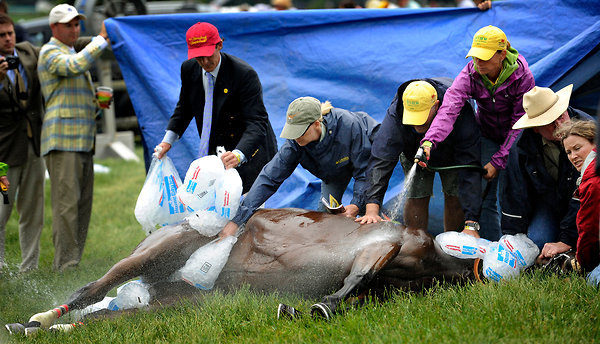
Two minutes later, Arcadius was dead — steps from the finish line he had crossed with so much power, so much life.
Arcadius: dead from cruel abuse, hidden from punters’ view
.
It was quick, shocking, certainly eerie. After walking from that winner’s circle celebration, while getting the usual after-race hosing and dousing with water, Arcadius stepped awkwardly to his right, raised his head, stiffened his front legs and dropped to the ground on his left side.
Before he fell, his right eye went blank — flashing life, death, pain, something. >>
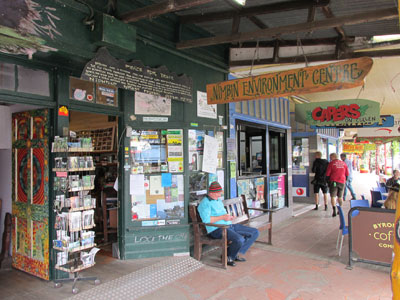
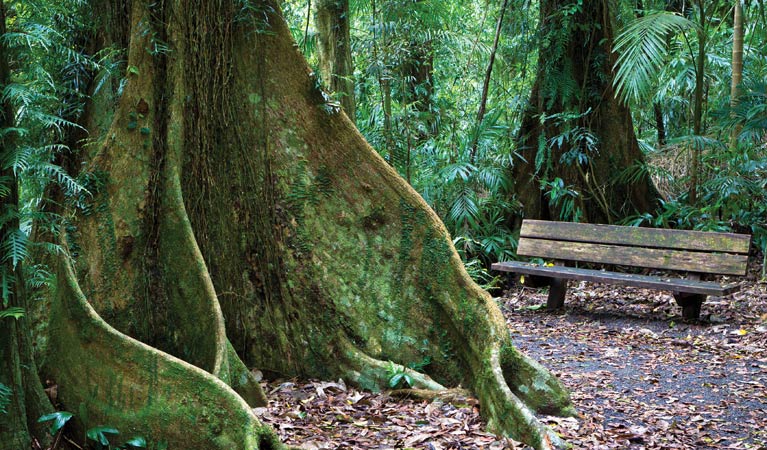
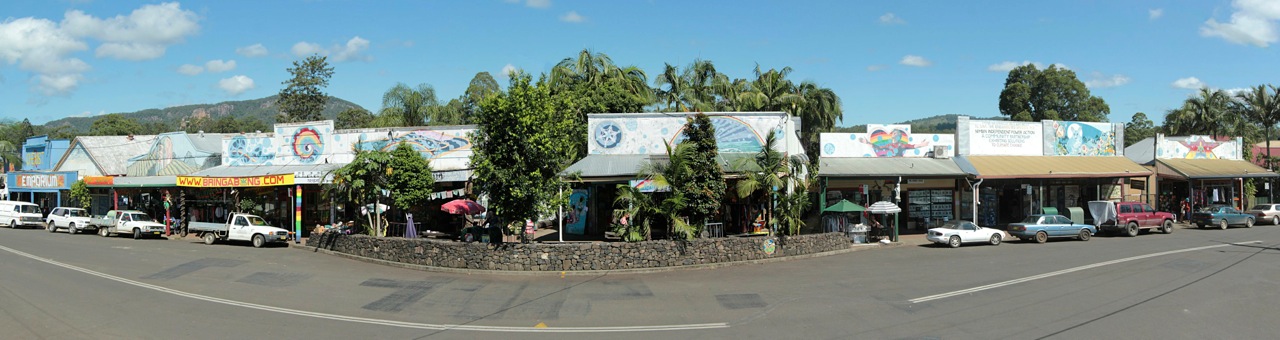
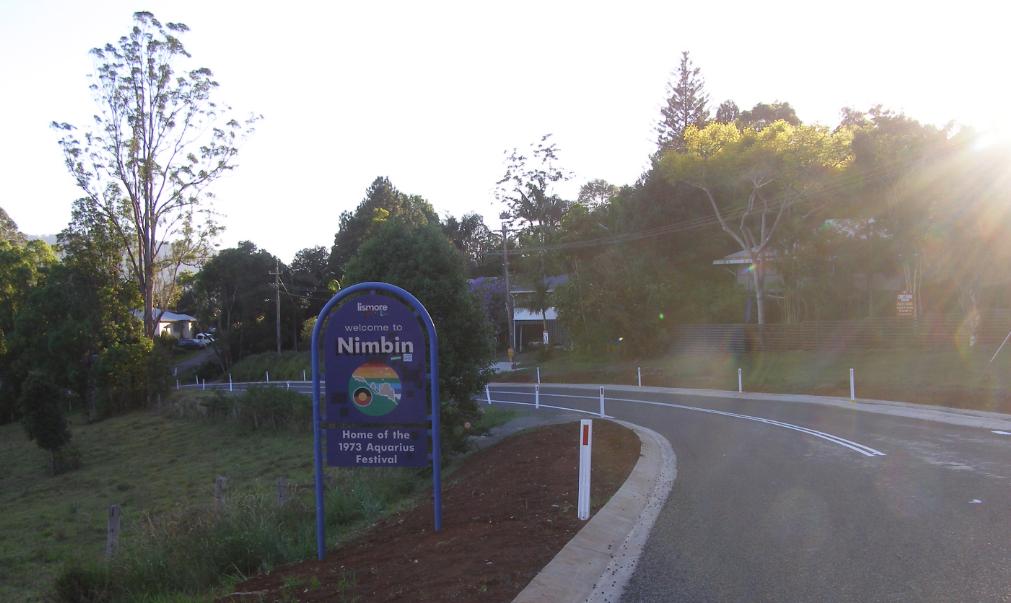
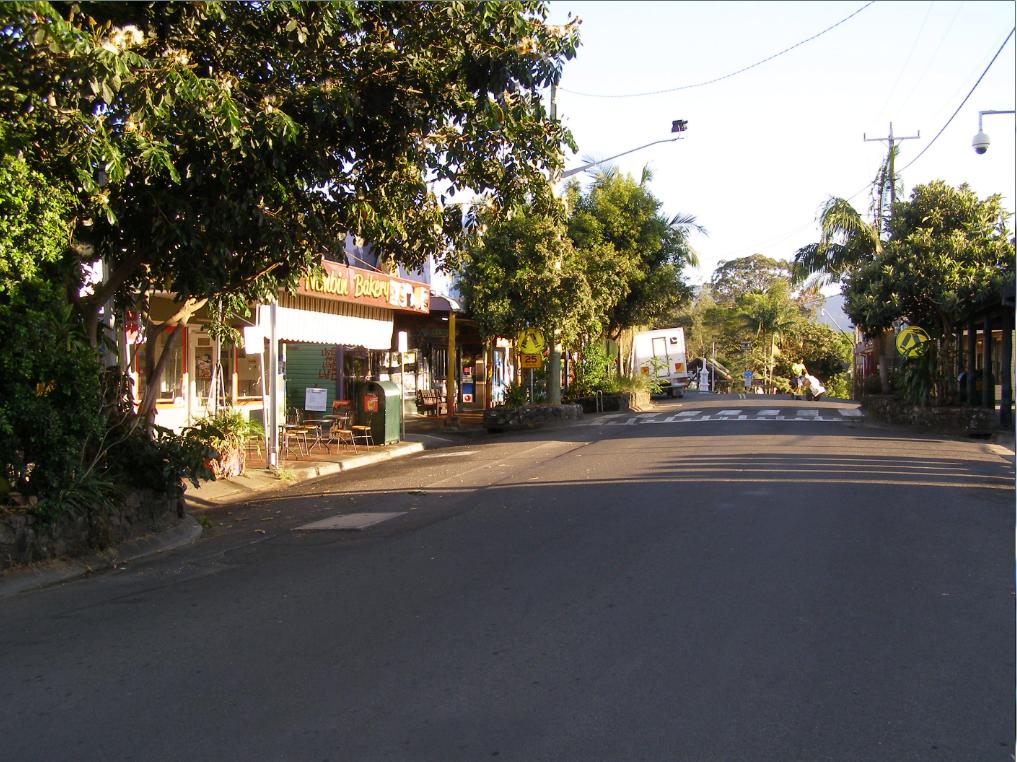
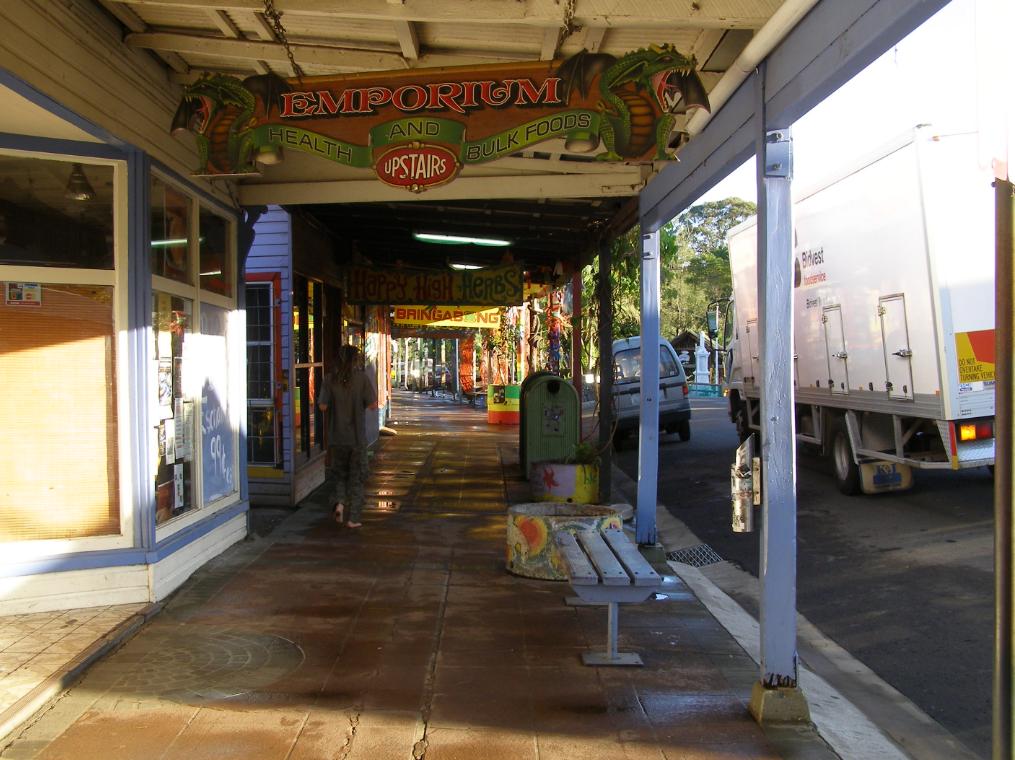
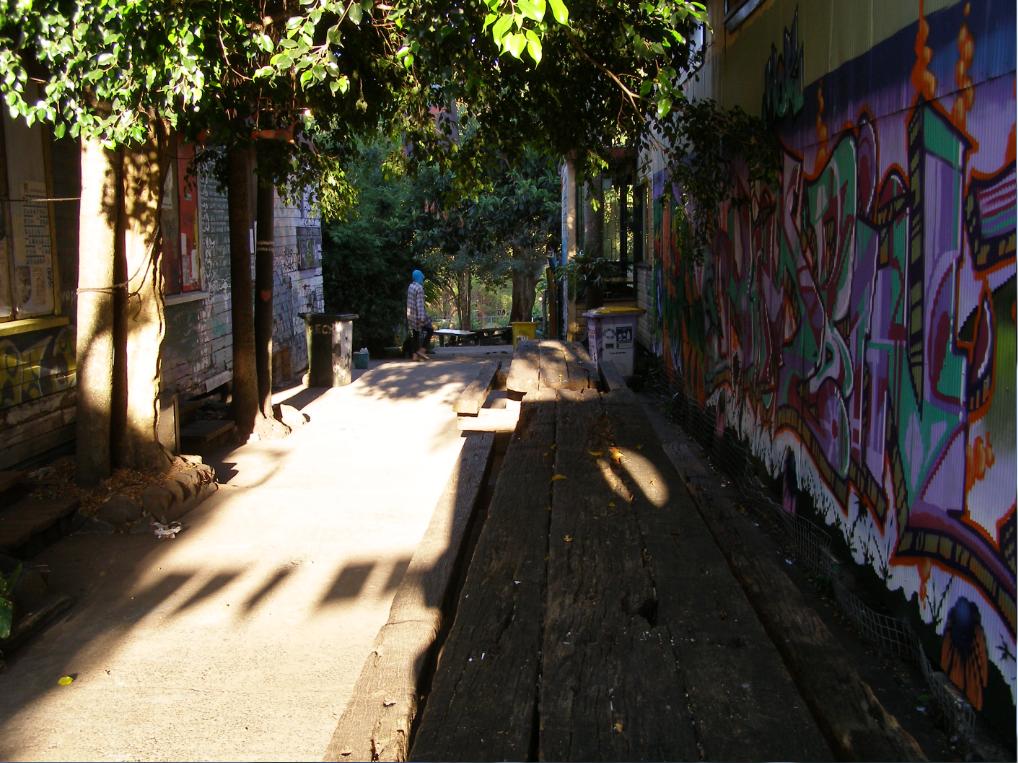
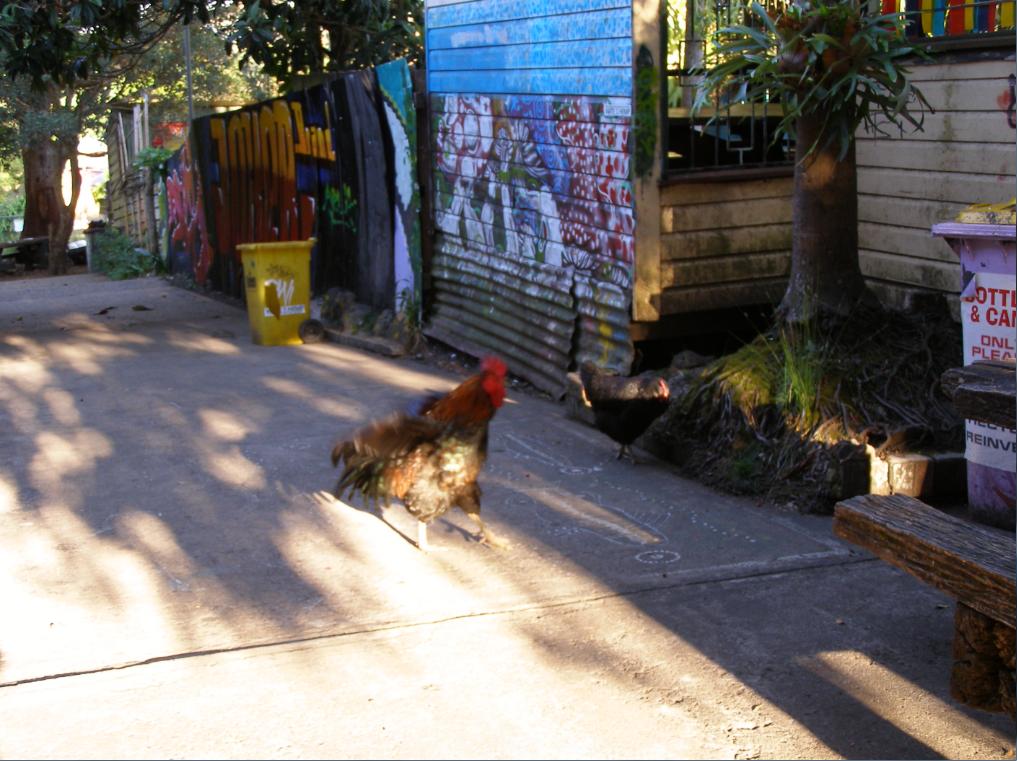
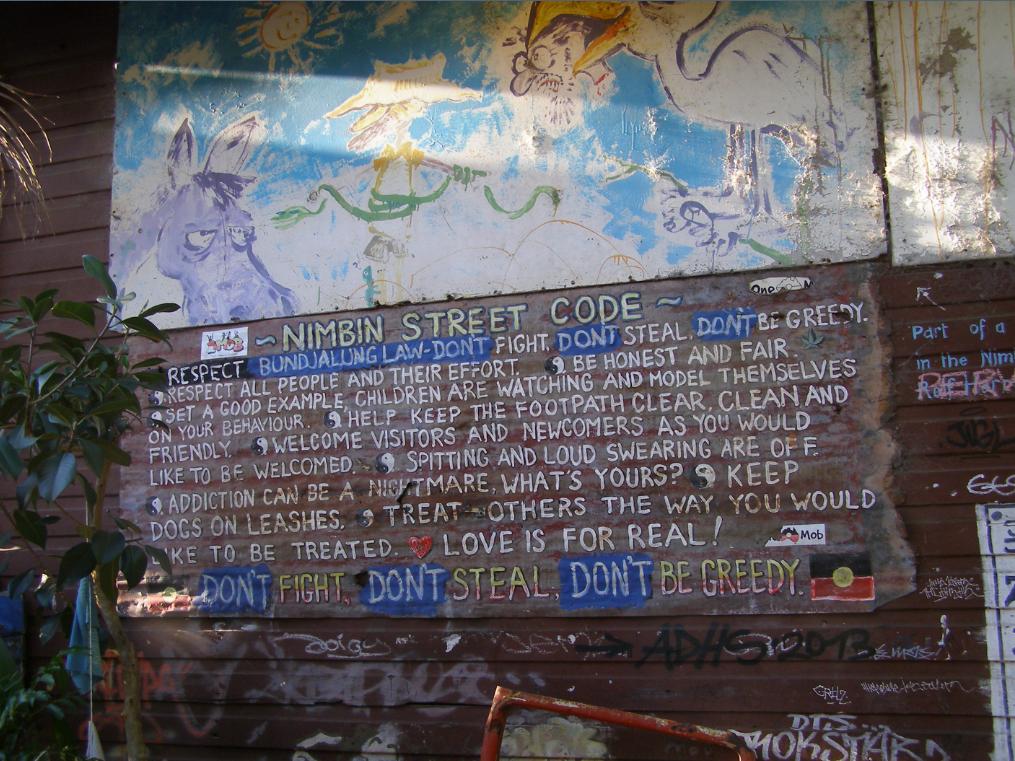
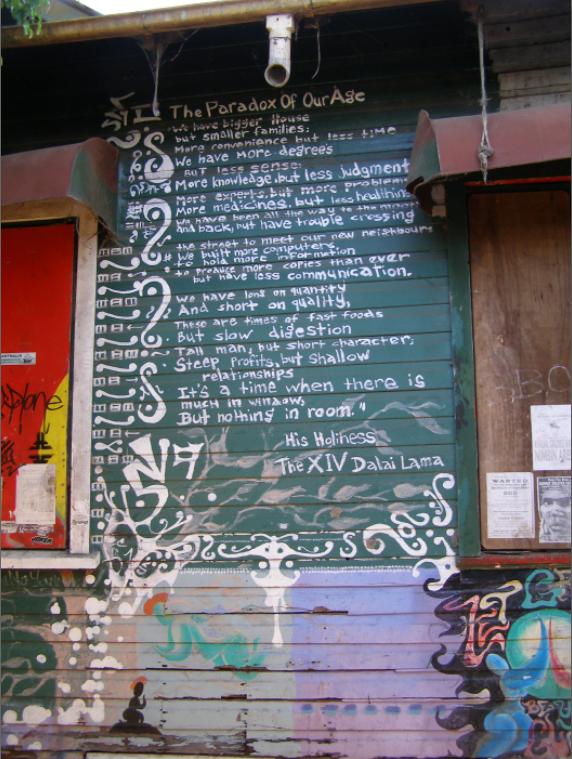
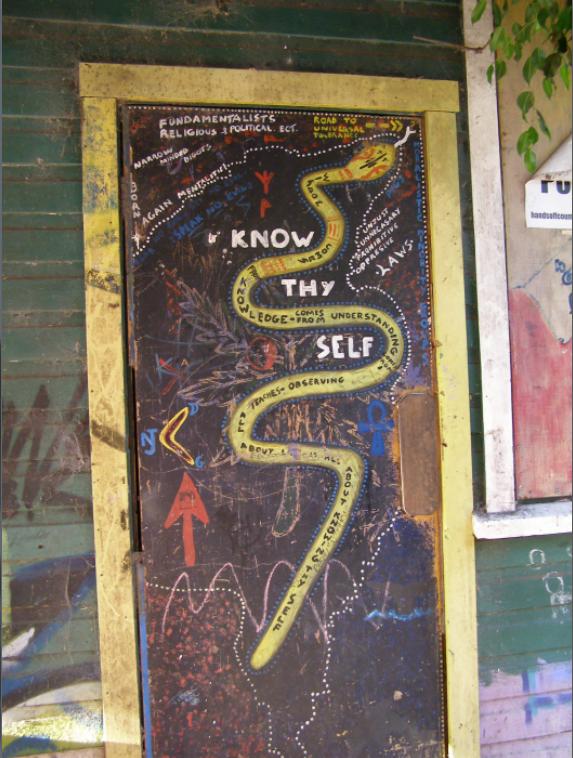
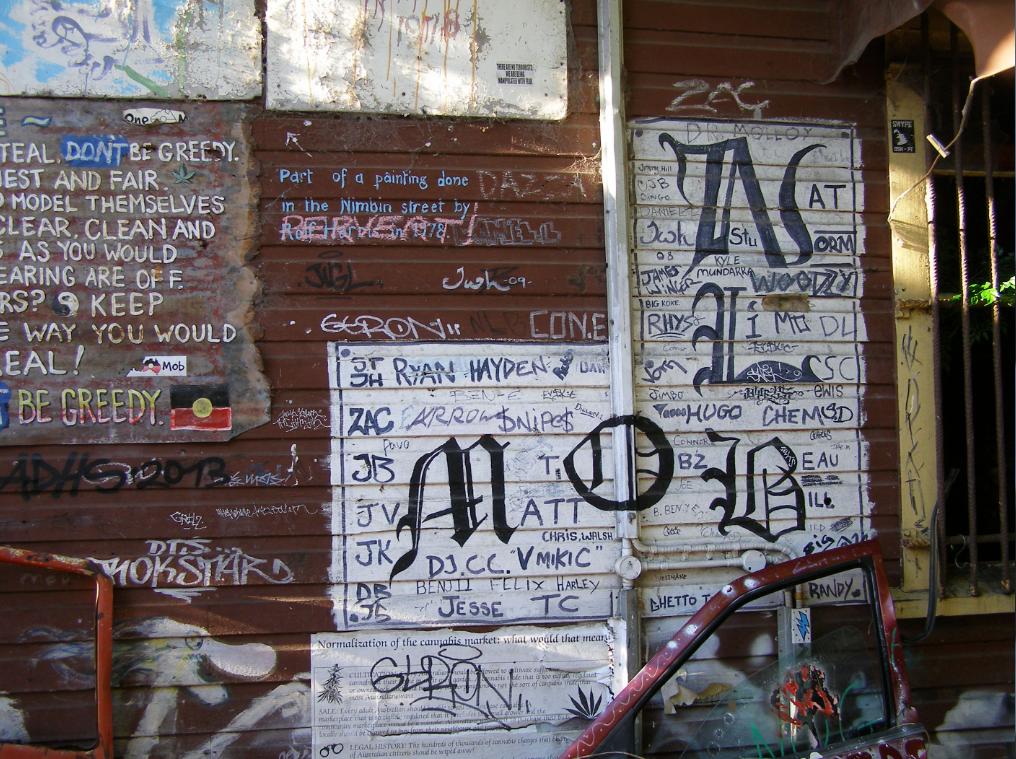
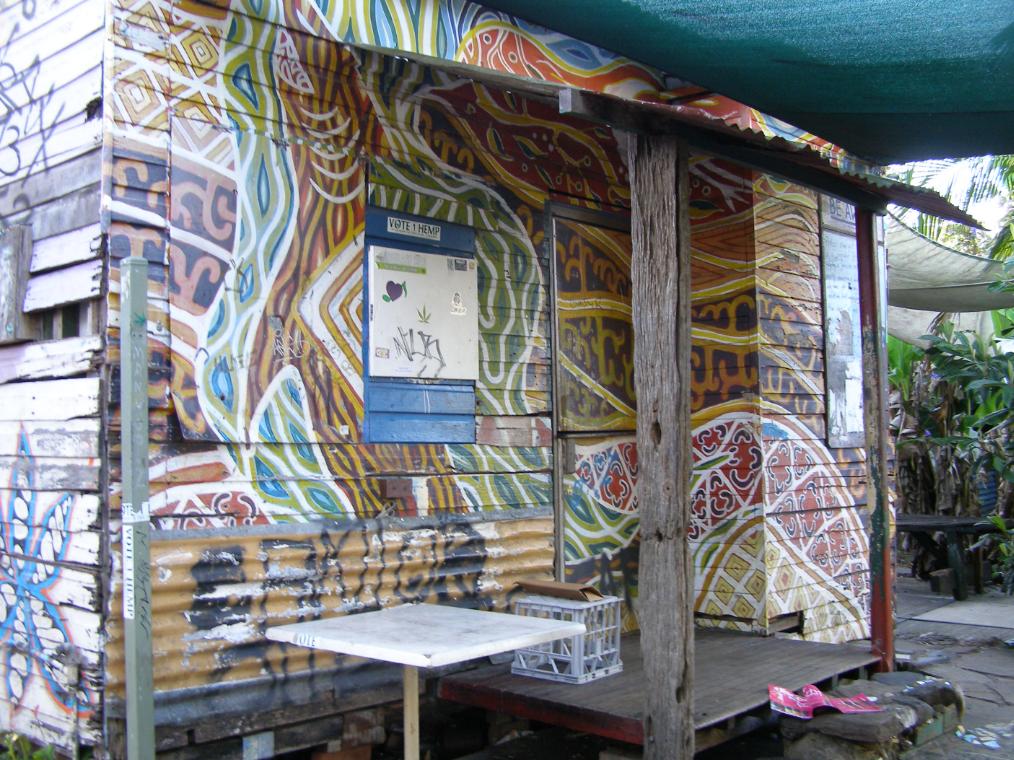
Amongst other worthy places, there are two that are special and worth a visit when exploring the Northern Rivers Region of New South Wales. Walk the ‘Wonga Walk’ (5.4km) beneath the rainforest canopy in Dorrigo National Park and stroll through the counterculture village of Nimbin calling into the Nimbin Environment Centre.
.
Dorrigo Plateau Country
.
Perhaps the tallest remaining rainforest trees survive in the natural ecology and splendour in Dorrigo National Park, part of originally Gumbaynggirr Aboriginal Country, and currently one of eight groups of World Heritage protected areas in the Gondwana Rainforests of Australia..
The village of Nimbin is many miles from Dorrigo, but that doesn’t matter. Nimbin’s spirit is similar from that gained on the rainforest walk.
Perhaps one of the most respectful and communicative messages of any community in Australia is that of Nimbin’s, which draws upon the values of local Aboriginal elders, and shared by Nimbin’s close-knit local mix:
“We belong this country
We look after this country
Don’t do wrong around here this country
We don’t harm this country here
We belong to it this country”
~ Bundjulung Elders.
.
The Nimbin Environment Centre is a voluntary non-profit organisation. It’s website reads: our history is rooted in the successful battles which saved Terania Creek and The NightCap Forest. We are very conscious of our continuous role as custodians of this land, hand in hand with its first people: The Bundjalung nation. We receive no funding from State or Federal Governments. This empowers us to be fearless in our work to defend, protect, preserve and enhance the environment.
We read this and reflect upon our crews visit in October 2013, and upon the subsequent town fire of the 13th August 2014 which tragically struck at the heart of Nimbin.
We remember and preserve some memories for those who have contributed to the Magic of Nimbin since the Aquarius Festival of 1973 which has since celebrated the hope of ‘Counter Culture’.
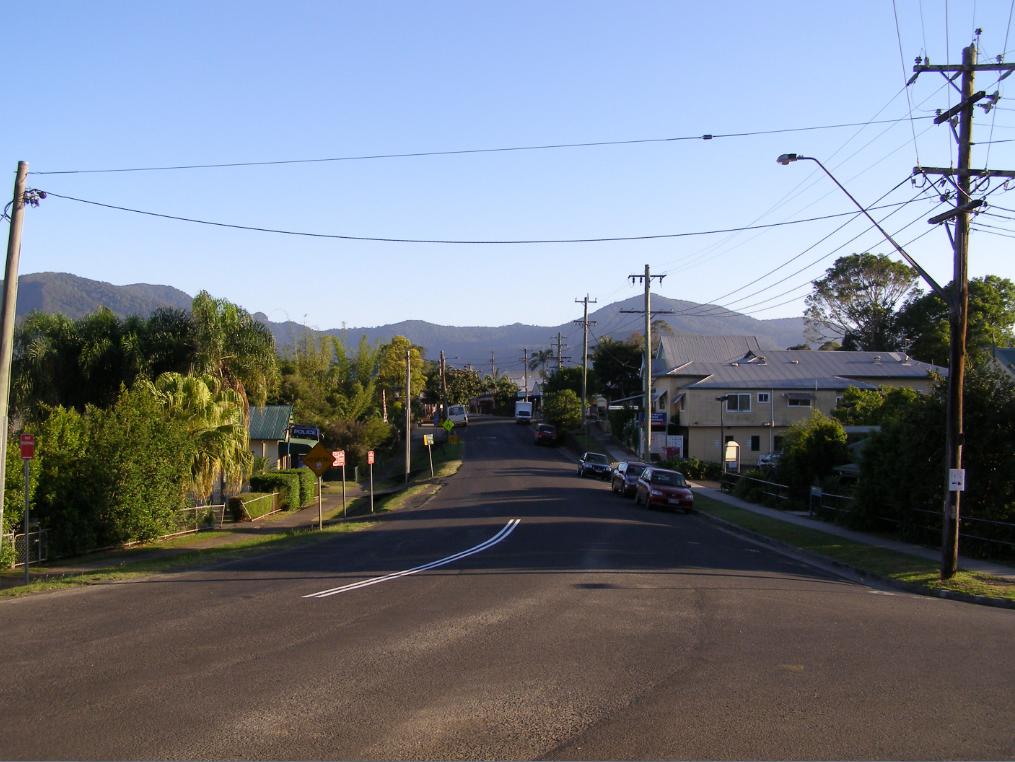
We offer the following images of a Nimbin morning taken by our editor paying an overnight visit to Nimbin 23rd – 24th October 2013. All images are copyright free in the public domain as we consider appropriate. Nimbin sets an example of community respect to the world. For each image click to enlarge.
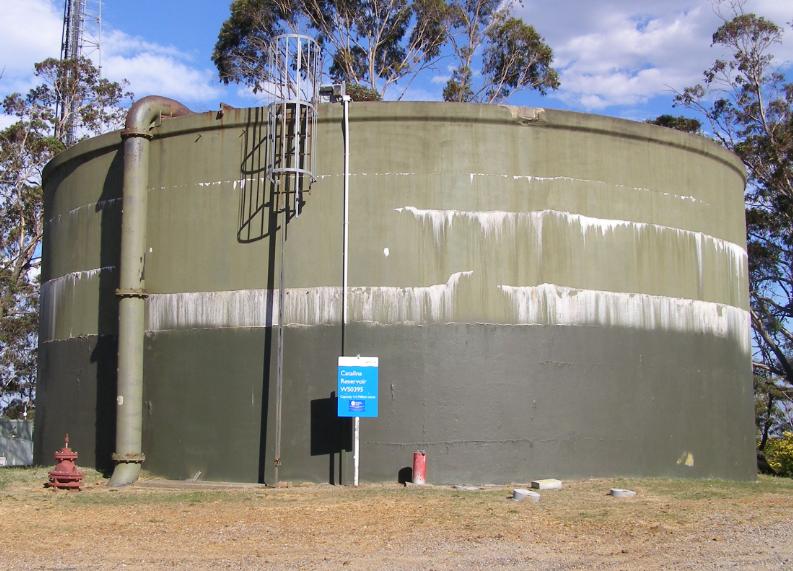
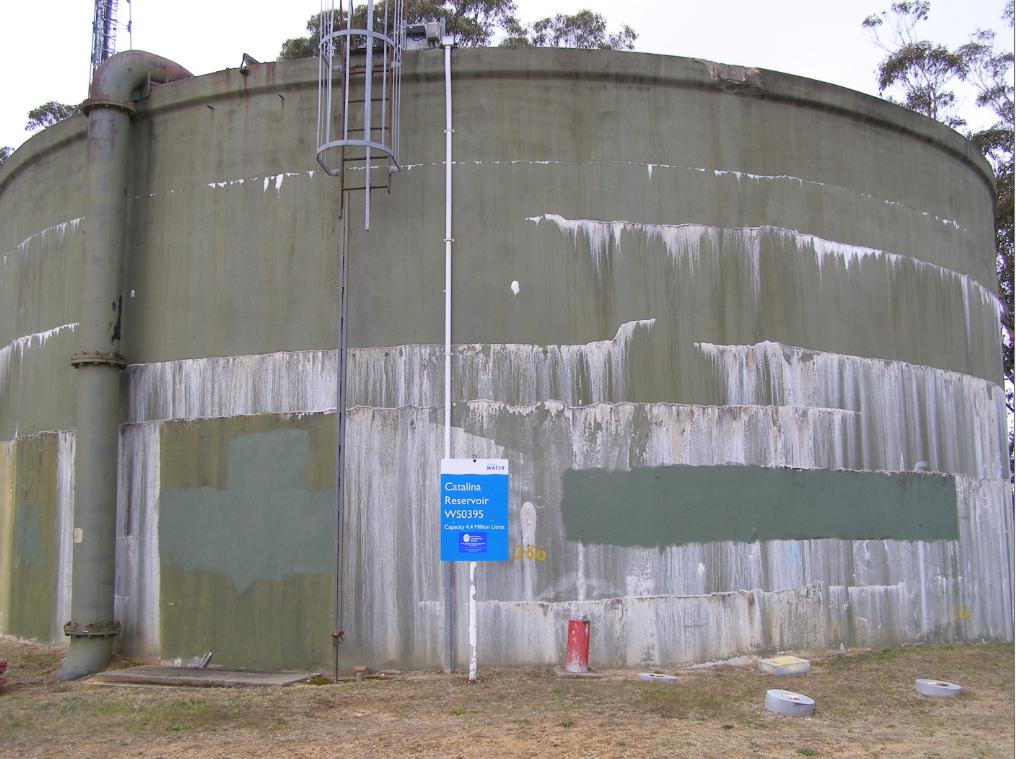
This water reservoir tank is one of two on the ridgetop at Narrow Neck Road, Katoomba (Central Blue Mountains, New South Wales) which supplies drinking water to the immediate and surrounding residents of Katoomba.
Previously, in May 2013 we took a photo of both tanks showing the white chlorine salt efflorescence stains and we published an article later in August that year. Why then should someone wish to paint over the stains with green paint? Do they think it will make the water cleaner and more appealing to be drunk?
In our previous article on this topic we asked: “Are we to now expect fresh green paint over the chlorine salt efflorescent tanks to hide the problem?” It seems Sydney Water has done just that. Who else would spend their own money to paint over a government water tank? Why is it that Sydney Water’s water quality analysis measured at the upstream Cascade Reservoir and not from these tanks before it flows to residents?
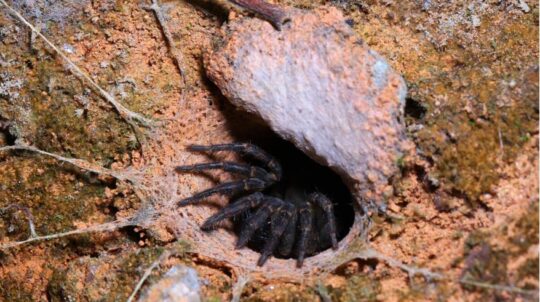
"We're coming to you from the custodial lands of the Hairygowogulator, Tarantulawollygong, and Longdrop country, within the Australia nation since 1901. From our home in Inner West Katoomba we pay respects to uncles and grandaddy elders past, present and emerging from their burrows. So wise to keep a distance out bush."
Recent
Supporting Us
A VOICE FOR NATIVE HABITAT
One’s solo mindful walk…
The Friends of Katoomba Falls Creek Valley Inc. in The Gully
The Gully Collection
Save Atlas Campaign
The Friends Archive: War and Peace with the Blue Mountains ‘hysterical’ Society
 Spell check?
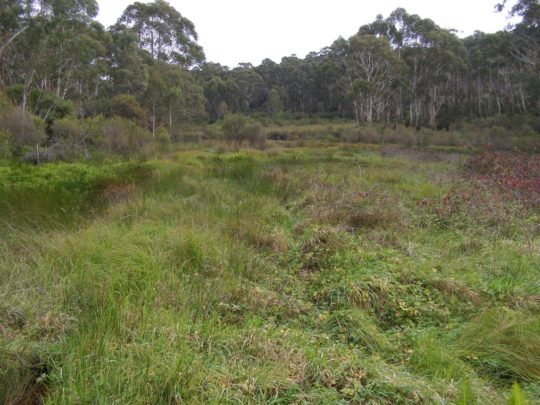 The Gully remains an anthroplogical microcosm of Australian unresolved reconciliation